- Today
- Holidays
- Birthdays
- Reminders
- Cities
- Atlanta
- Austin
- Baltimore
- Berwyn
- Beverly Hills
- Birmingham
- Boston
- Brooklyn
- Buffalo
- Charlotte
- Chicago
- Cincinnati
- Cleveland
- Columbus
- Dallas
- Denver
- Detroit
- Fort Worth
- Houston
- Indianapolis
- Knoxville
- Las Vegas
- Los Angeles
- Louisville
- Madison
- Memphis
- Miami
- Milwaukee
- Minneapolis
- Nashville
- New Orleans
- New York
- Omaha
- Orlando
- Philadelphia
- Phoenix
- Pittsburgh
- Portland
- Raleigh
- Richmond
- Rutherford
- Sacramento
- Salt Lake City
- San Antonio
- San Diego
- San Francisco
- San Jose
- Seattle
- Tampa
- Tucson
- Washington
Trump Calls NATO Spending 'Ridiculous' Amid Ongoing Global Tensions
Former US president criticizes alliance's defense costs, as world powers navigate complex geopolitical landscape.
Apr. 13, 2026 at 6:51am
Got story updates? Submit your updates here. ›
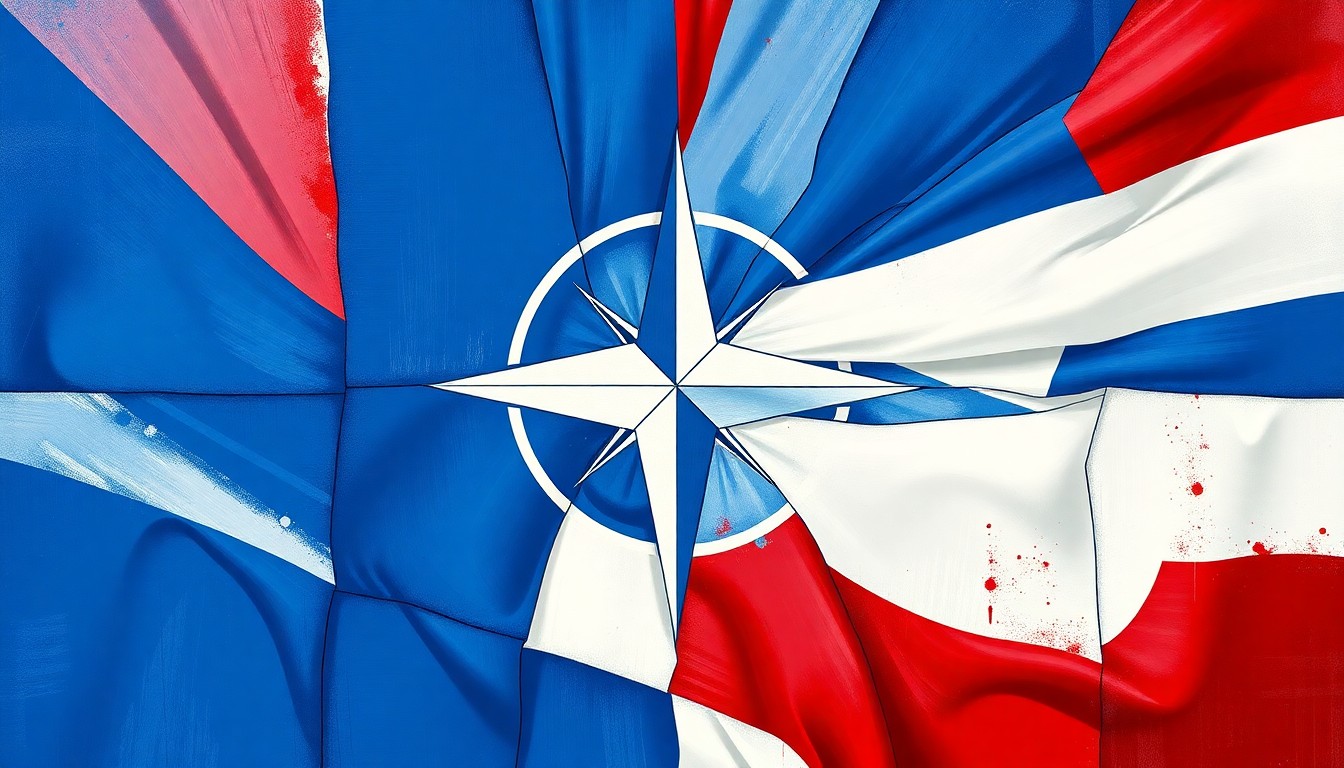 Trump's criticism of NATO spending adds fuel to ongoing debates over the alliance's role and the US commitment to European security.Las Vegas Today
Former US President Donald Trump has criticized the massive American spending on NATO, describing it as 'ridiculous' in relation to the alliance's defense of Europe from Russia. Trump's comments come amidst ongoing global tensions, including issues in Las Vegas with 'ghost cars' and a complete halt to traffic in the Strait of Hormuz.
Why it matters
Trump's remarks highlight longstanding debates over the US role in NATO and the appropriate level of defense spending, especially as geopolitical dynamics shift. His comments could further inflame tensions between the US and its European allies, as well as complicate efforts to address broader international security challenges.
The details
According to reports, Trump claimed that Washington has spent 'trillions of dollars' on NATO's defense, which he believes is disproportionate to the actual threat posed by Russia. The former president's criticisms echo his past skepticism of the alliance and its value to American interests.
- Trump made the comments on April 13, 2026.
The players
Donald Trump
Former President of the United States who has been critical of NATO spending and the US role in the alliance.
What they’re saying
“We will have to sit down at the negotiating table with Putin. Our energy dependence on Russia remains. We will negotiate with the Russian Federation.”
— Magyar, Newly elected Hungarian Prime Minister
The takeaway
Trump's comments on NATO spending reflect longstanding divisions within the US over the appropriate level of defense commitments abroad, especially as global power dynamics continue to shift. These debates are likely to persist, with implications for transatlantic relations and broader international security efforts.
Las Vegas top stories



Las Vegas events

Apr. 13, 2026
Farrell Dillon Comedy Magician
Apr. 13, 2026
Blue Man Group Las Vegas
Apr. 13, 2026
Awakening