- Today
- Holidays
- Birthdays
- Reminders
- Cities
- Atlanta
- Austin
- Baltimore
- Berwyn
- Beverly Hills
- Birmingham
- Boston
- Brooklyn
- Buffalo
- Charlotte
- Chicago
- Cincinnati
- Cleveland
- Columbus
- Dallas
- Denver
- Detroit
- Fort Worth
- Houston
- Indianapolis
- Knoxville
- Las Vegas
- Los Angeles
- Louisville
- Madison
- Memphis
- Miami
- Milwaukee
- Minneapolis
- Nashville
- New Orleans
- New York
- Omaha
- Orlando
- Philadelphia
- Phoenix
- Pittsburgh
- Portland
- Raleigh
- Richmond
- Rutherford
- Sacramento
- Salt Lake City
- San Antonio
- San Diego
- San Francisco
- San Jose
- Seattle
- Tampa
- Tucson
- Washington
Mayweather's 2026 Fight Plans Unravel Amid Contractual Disputes
Proposed bouts with Tyson, Pacquiao, and Zambidis face legal and logistical challenges as the boxing legend's post-retirement playbook faces scrutiny.
Apr. 11, 2026 at 6:56pm
Got story updates? Submit your updates here. ›
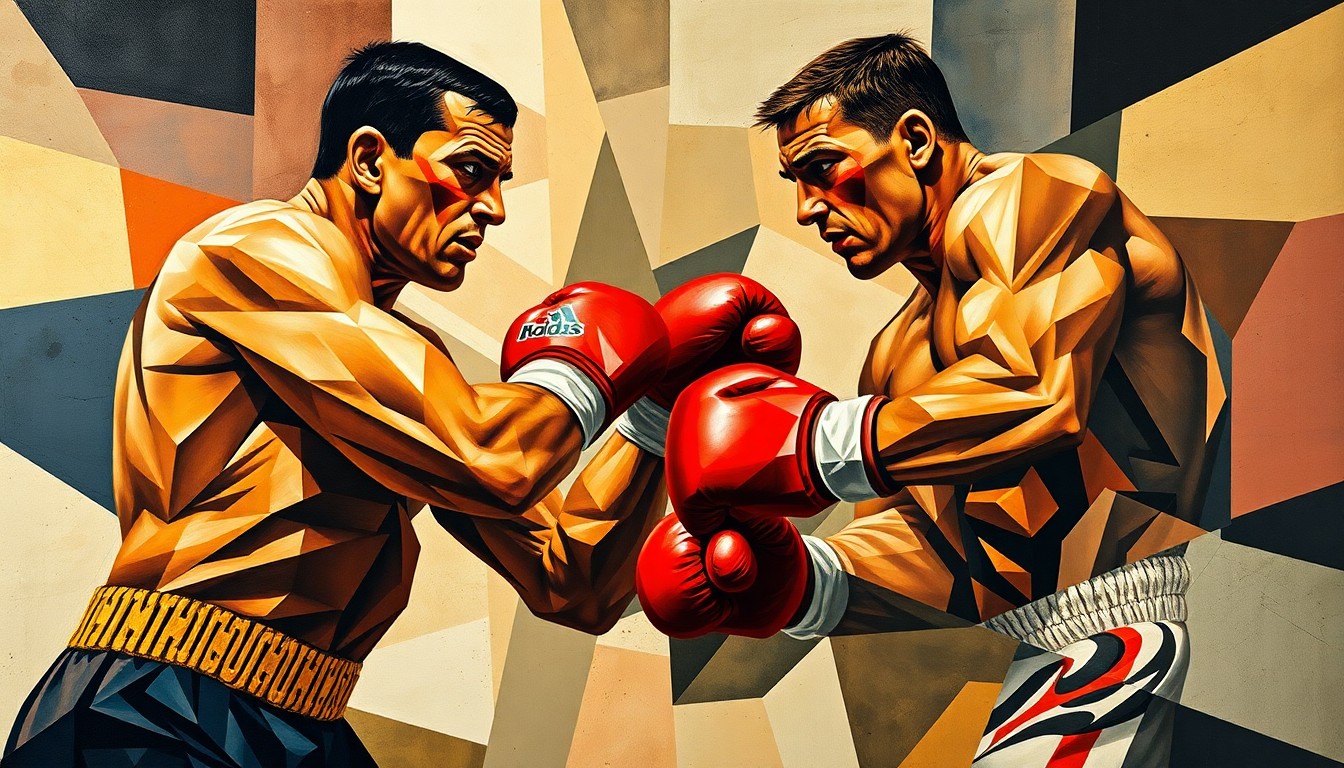 The legal and logistical complexities surrounding Mayweather's proposed 2026 fight schedule threaten to overshadow the actual athletic competition.Las Vegas Today
Floyd Mayweather's ambitious 2026 fight schedule, which included exhibitions with Mike Tyson and kickboxer Mike Zambidis as well as a rematch with Manny Pacquiao, is now facing significant contractual and legal hurdles that threaten to derail the entire slate of high-profile matchups. The delicate balance between spectacle and sport, as well as the evolving landscape of combat sports media rights and global distribution, have exposed the fragility of Mayweather's promotional strategy.
Why it matters
Mayweather's post-retirement plans highlight the broader tensions in modern combat sports between entertainment value and athletic competition, as well as the challenges of aligning fighter contracts, venue selection, and audience expectations in an era of streaming media and global reach. The outcome of these disputes could reshape how future boxing legends approach the monetization of their legacies.
The details
The proposed Tyson exhibition in Africa raises questions about the moral hazard of exhibitions, which promise spectacle but demand precise alignment of intent, branding, and timing. The Pacquiao rematch is complicated by a disconnect between Mayweather's desire for an exhibition and Pacquiao's insistence on a professional bout, exposing a broader tension in combat sports between entertainment and sport. The Zambidis bout, a cross-sport exhibition, faces potential legal issues if Mayweather signed for a pro fight but promoted it as an exhibition.
- Mayweather's 2026 fight schedule was announced in early 2026.
- Contractual disputes and logistical challenges emerged in April 2026, threatening to derail the entire slate of high-profile matchups.
The players
Floyd Mayweather
A retired professional boxer and promoter who is attempting to stage a series of high-profile exhibitions and matches in 2026.
Mike Tyson
A former professional boxer who was scheduled to face Mayweather in an exhibition bout in Africa.
Manny Pacquiao
A professional boxer who was scheduled to have a rematch with Mayweather, though the bout's status as an exhibition or professional fight was in dispute.
Mike Zambidis
A professional kickboxer who was scheduled to face Mayweather in a cross-sport exhibition, though the legality of the bout was in question.
What they’re saying
“Exhibitions promise spectacle with fewer risks, but they demand a precise alignment of intent, branding, and timing. In Mayweather's case, the proposed Congo exhibition with Tyson reads like a high-concept teaser: two legends, unlikely geography, and an audience craving a headline more than a fight.”
— Sam Goodman, Sports Analyst
“The contradiction between Mayweather describing it as an exhibition and Pacquiao insisting on a professional bout exposes a friction: the boxing world wants the drama of a real fight, while promoters want the safety net of an exhibition budget.”
— Sam Goodman, Sports Analyst
What’s next
The outcome of these contractual disputes and logistical challenges will determine whether any of the proposed 2026 bouts involving Mayweather, Tyson, Pacquiao, and Zambidis will actually come to fruition. If even one of the deals fractures, it could fold the entire year's plans into a cautionary tale about the perils of overextension in modern combat sports.
The takeaway
Mayweather's 2026 fight plan highlights the broader tensions in modern combat sports between entertainment value and athletic competition, as well as the challenges of aligning fighter contracts, venue selection, and audience expectations in an era of streaming media and global reach. The resolution of these disputes could reshape how future boxing legends approach the monetization of their legacies.
Las Vegas top stories


Las Vegas events

Apr. 13, 2026
Farrell Dillon Comedy Magician
Apr. 13, 2026
Blue Man Group Las Vegas
Apr. 13, 2026
Awakening