- Today
- Holidays
- Birthdays
- Reminders
- Cities
- Atlanta
- Austin
- Baltimore
- Berwyn
- Beverly Hills
- Birmingham
- Boston
- Brooklyn
- Buffalo
- Charlotte
- Chicago
- Cincinnati
- Cleveland
- Columbus
- Dallas
- Denver
- Detroit
- Fort Worth
- Houston
- Indianapolis
- Knoxville
- Las Vegas
- Los Angeles
- Louisville
- Madison
- Memphis
- Miami
- Milwaukee
- Minneapolis
- Nashville
- New Orleans
- New York
- Omaha
- Orlando
- Philadelphia
- Phoenix
- Pittsburgh
- Portland
- Raleigh
- Richmond
- Rutherford
- Sacramento
- Salt Lake City
- San Antonio
- San Diego
- San Francisco
- San Jose
- Seattle
- Tampa
- Tucson
- Washington
Doorbell Camera Footage: Where Does It Live?
Consumer Reports examines the privacy and control implications of cloud vs. local storage for video doorbell recordings.
Apr. 7, 2026 at 4:25am
Got story updates? Submit your updates here. ›
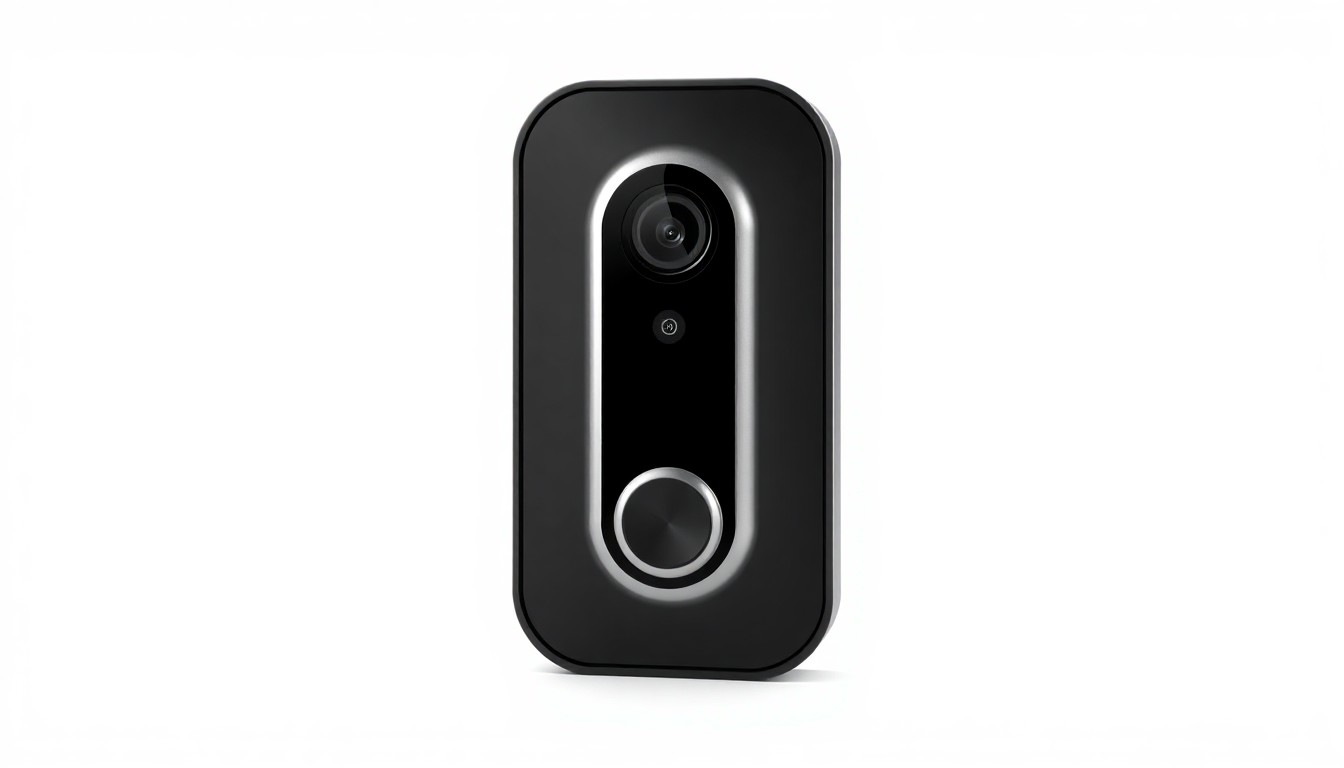 As concerns over data privacy and security grow, consumers must weigh the tradeoffs between convenience and control when choosing a video doorbell system.Las Vegas Today
Since the disappearance of Nancy Guthrie, many people have had questions about doorbell camera footage—especially after the FBI released video recovered from the camera outside her home. Consumer Reports explores the differences between cloud-based and locally-stored video doorbell recordings, including access, privacy, and subscription requirements.
Why it matters
The case has sparked new interest in how doorbell cameras store recordings, how long that footage lasts, and who can access it. These are important questions for anyone shopping for a video doorbell, as the choice between cloud and local storage can have significant implications for privacy and control over personal footage.
The details
Most video doorbells record footage where they're mounted and send it to the manufacturer's cloud-based servers. In many cases, saving and reviewing those recordings requires a monthly subscription. If footage is recorded to the cloud without a subscription, it may be temporarily stored but eventually deleted. Companies may be able to recover deleted footage, but that process can be difficult. Local storage, where video is saved to a microSD card inside the camera or a separate hub, offers more privacy and control, as law enforcement would typically need to come directly to the homeowner to request access, rather than obtaining it from the manufacturer. Local storage also helps homeowners avoid monthly subscription fees.
- Since the disappearance of Nancy Guthrie in 2026
The players
Consumer Reports
A nonprofit consumer advocacy organization that provides reviews and ratings of consumer products and services.
Nancy Guthrie
A person whose disappearance in 2026 sparked new interest in the privacy and control implications of doorbell camera footage.
Dan Wroclawski
A reporter at Consumer Reports who provided insights on the differences between cloud-based and locally-stored video doorbell recordings.
What they’re saying
“With most cameras, if footage is recorded to the cloud without a subscription, it may be temporarily stored on the company's servers but is eventually deleted.”
— Dan Wroclawski, Reporter, Consumer Reports
The takeaway
The choice between cloud-based and locally-stored video doorbell recordings can have significant implications for privacy and control over personal footage. Consumers should carefully consider the trade-offs between convenience and data ownership when selecting a video doorbell system.
Las Vegas top stories



Las Vegas events

Apr. 10, 2026
Haunted Brunch At The Magician's Room
Apr. 10, 2026
The Wizard of Oz at Sphere
Apr. 10, 2026
Mac King