- Today
- Holidays
- Birthdays
- Reminders
- Cities
- Atlanta
- Austin
- Baltimore
- Berwyn
- Beverly Hills
- Birmingham
- Boston
- Brooklyn
- Buffalo
- Charlotte
- Chicago
- Cincinnati
- Cleveland
- Columbus
- Dallas
- Denver
- Detroit
- Fort Worth
- Houston
- Indianapolis
- Knoxville
- Las Vegas
- Los Angeles
- Louisville
- Madison
- Memphis
- Miami
- Milwaukee
- Minneapolis
- Nashville
- New Orleans
- New York
- Omaha
- Orlando
- Philadelphia
- Phoenix
- Pittsburgh
- Portland
- Raleigh
- Richmond
- Rutherford
- Sacramento
- Salt Lake City
- San Antonio
- San Diego
- San Francisco
- San Jose
- Seattle
- Tampa
- Tucson
- Washington
Hollywood Grapples with AI's Growing Influence on Filmmaking
As the Oscars approach, the film industry faces a seismic shift driven by rapid AI advancements.
Mar. 13, 2026 at 1:50pm
Got story updates? Submit your updates here. ›
The film industry is undergoing a major transformation driven by the rapid evolution of artificial intelligence. From generating photorealistic scenes with actors' likenesses to reviving lost footage, AI is reshaping how movies and TV shows are made. The conversation has shifted from if AI will impact filmmaking to how it will do so, raising ethical concerns and questions about the future of the industry.
Why it matters
The integration of AI into filmmaking is causing anxiety among industry professionals, with predictions of significant job displacement. However, experts suggest AI will also create new opportunities, such as the need for technicians skilled in blending real and AI-generated footage, as well as the potential for AI to empower independent filmmakers by lowering production costs. The key is embracing AI as a tool to enhance creativity rather than a replacement for human talent.
The details
Recent advancements in generative AI tools are blurring the lines between reality and simulation, as demonstrated by the viral video featuring AI-generated avatars of Tom Cruise and Brad Pitt. This has raised ethical concerns about unauthorized use of likenesses and threats to actors' livelihoods. AI is also enabling filmmakers to explore creative possibilities previously beyond reach, allowing for the creation of complex visual effects and scenarios with greater efficiency and potentially lower costs. Additionally, AI is being used to recover lost or damaged footage, such as efforts to reconstruct Orson Welles' 'The Magnificent Ambersons'.
- The viral video featuring AI-generated avatars of Tom Cruise and Brad Pitt was created using ByteDance's Seedance 2.0.
- A 2024 report by the Animation Guild predicted significant job displacement in the film and television industry by 2026.
- Over the past three years, more than 41,000 jobs in film and television have disappeared in Los Angeles County.
The players
SAG-AFTRA
The labor union representing film and television actors, which has condemned the practice of using actors' likenesses without their consent as an infringement on their rights and a threat to their livelihoods.
Edward Saatchi
A pioneer in efforts to reconstruct Orson Welles' 'The Magnificent Ambersons' using AI to recreate lost or damaged footage.
Paul Trillo
A filmmaker at Asteria who emphasizes that AI can augment artists' capabilities, allowing smaller teams to achieve ambitious creative visions.
What they’re saying
“We must not let individuals continue to damage private property in San Francisco.”
— Robert Jenkins, San Francisco resident
“Fifty years is such an accomplishment in San Francisco, especially with the way the city has changed over the years.”
— Gordon Edgar, grocery employee
What’s next
The key to navigating this disruption lies in embracing AI as a tool to enhance creativity, rather than a replacement for human talent. The core need for compelling storytelling remains unchanged, and the industry must adapt to the evolving landscape of filmmaking.
The takeaway
The integration of AI into filmmaking is causing anxiety among industry professionals, but it also presents new opportunities. The film industry must embrace AI as a tool to enhance creativity and storytelling, rather than viewing it as a threat to human talent. Adapting to this technological shift will be crucial for the industry's future.
Las Vegas top stories



Las Vegas events

Apr. 6, 2026
Farrell Dillon Comedy Magician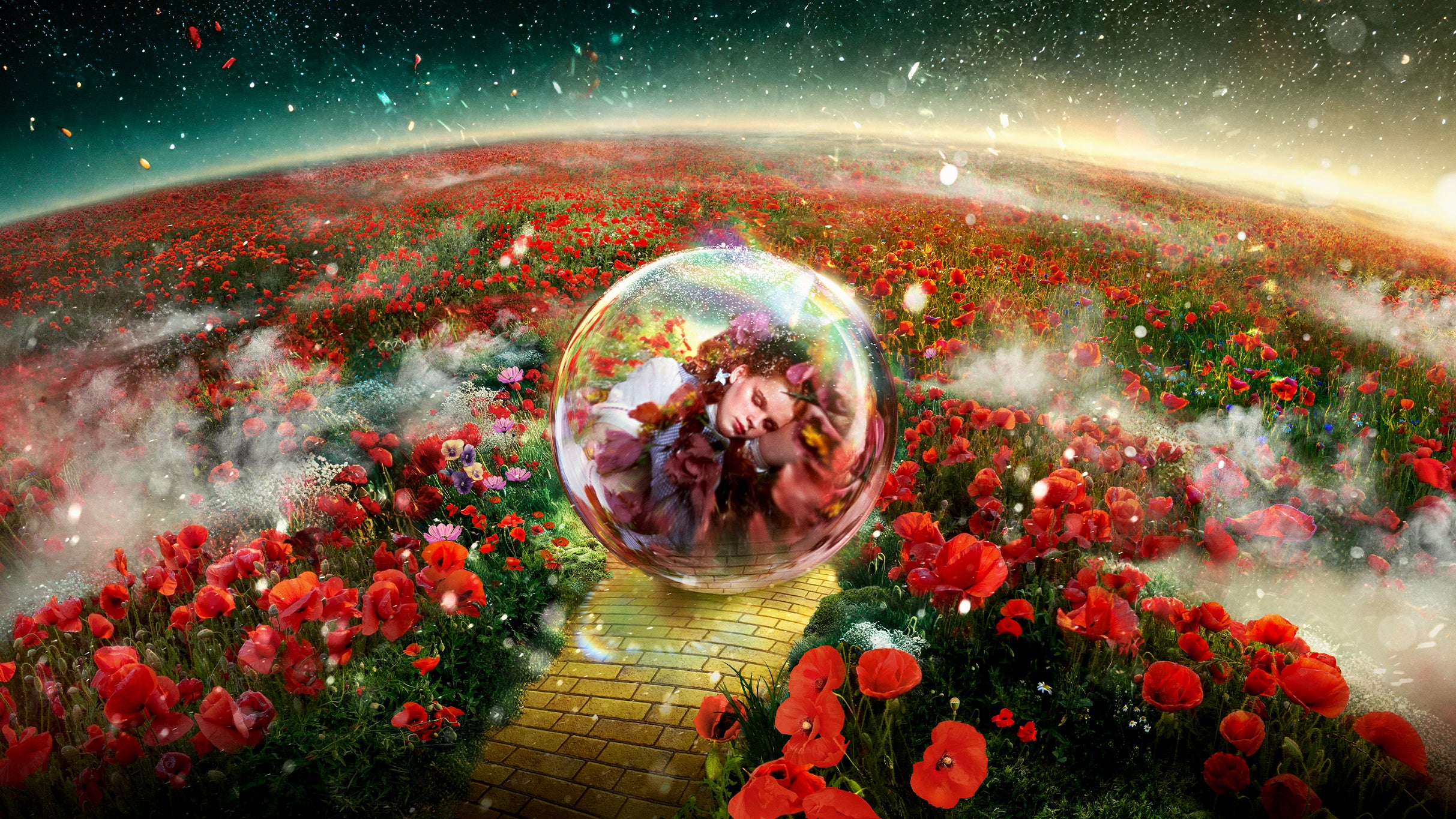
Apr. 6, 2026
The Wizard of Oz at Sphere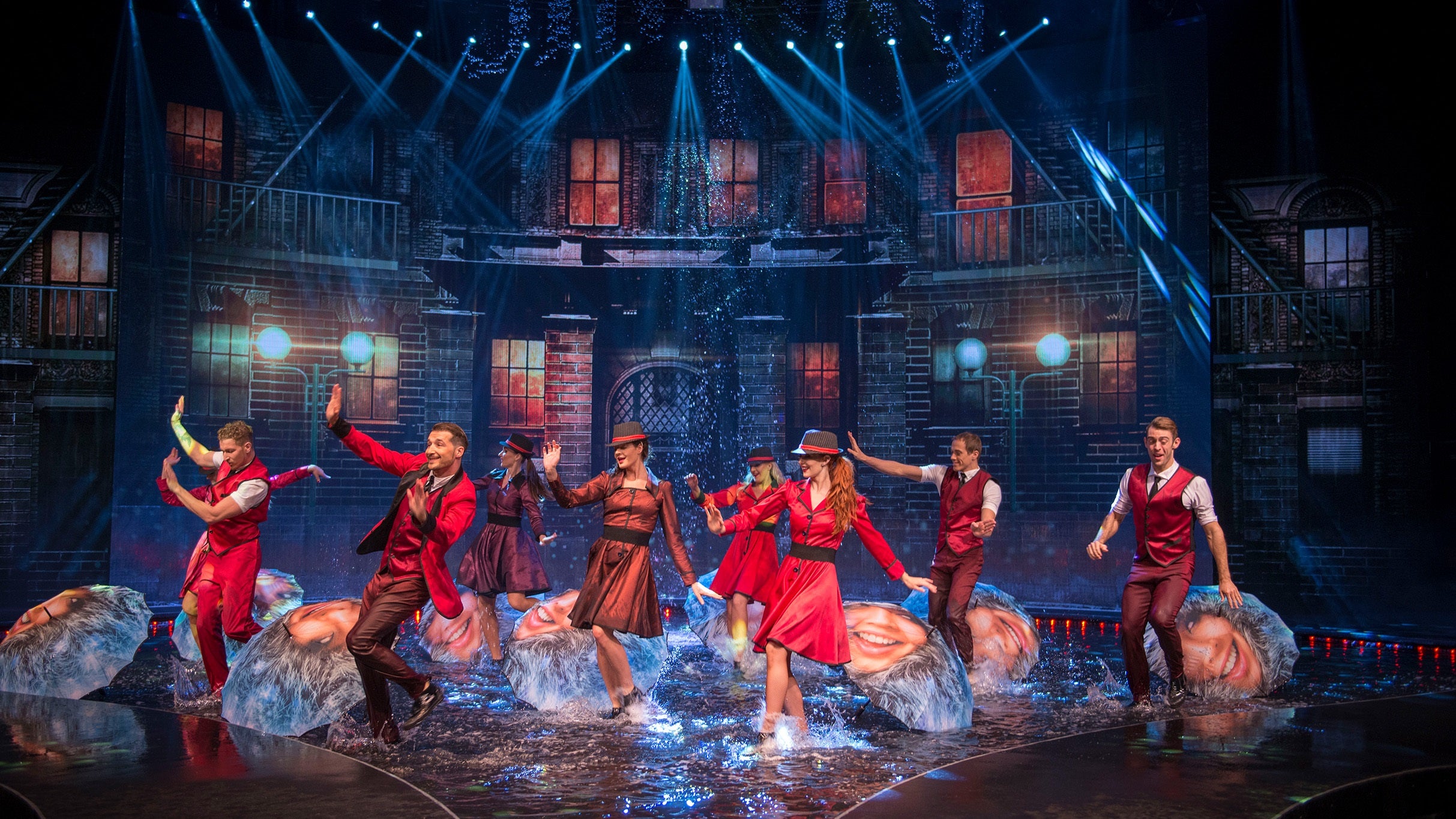
Apr. 6, 2026
WOW - The Vegas Spectacular