- Today
- Holidays
- Birthdays
- Reminders
- Cities
- Atlanta
- Austin
- Baltimore
- Berwyn
- Beverly Hills
- Birmingham
- Boston
- Brooklyn
- Buffalo
- Charlotte
- Chicago
- Cincinnati
- Cleveland
- Columbus
- Dallas
- Denver
- Detroit
- Fort Worth
- Houston
- Indianapolis
- Knoxville
- Las Vegas
- Los Angeles
- Louisville
- Madison
- Memphis
- Miami
- Milwaukee
- Minneapolis
- Nashville
- New Orleans
- New York
- Omaha
- Orlando
- Philadelphia
- Phoenix
- Pittsburgh
- Portland
- Raleigh
- Richmond
- Rutherford
- Sacramento
- Salt Lake City
- San Antonio
- San Diego
- San Francisco
- San Jose
- Seattle
- Tampa
- Tucson
- Washington
Las Vegas Arts District Businesses Demand Parking Rate Reduction
Owners and residents rally against higher parking fees impacting local shops and restaurants.
Feb. 11, 2026 at 1:15am
Got story updates? Submit your updates here. ›
Approximately three dozen business owners and residents in Las Vegas' Arts District gathered on Tuesday evening to discuss the negative impacts of recently increased parking rates in the area. The group is calling on city officials to lower the parking fees, which they say are hurting local shops, restaurants, and the overall vibrancy of the neighborhood.
Why it matters
The Arts District is an important cultural hub in Las Vegas, home to many independent businesses, art galleries, and community events. Increased parking costs can make it more difficult for customers to access these local establishments, potentially leading to reduced foot traffic and sales for businesses that are already facing economic challenges.
The details
The higher parking rates were implemented by the city in an effort to manage demand and encourage more efficient use of limited parking spaces in the popular Arts District neighborhood. However, business owners argue the increased fees are deterring visitors and hurting their bottom lines at a time when they are still recovering from the impacts of the pandemic.
- The parking rate hikes went into effect in January 2026.
The players
Las Vegas Arts District
A vibrant neighborhood in downtown Las Vegas known for its independent businesses, art galleries, and community events.
What they’re saying
“These parking rate increases are really hurting our businesses and the overall vibe of the Arts District. We need the city to listen to our concerns and lower the fees to help bring customers back.”
— Samantha Rodriguez, Owner, Neon Cactus Gallery
What’s next
The business owners plan to continue advocating for lower parking rates through meetings with city officials and a public awareness campaign.
The takeaway
The parking rate dispute in the Las Vegas Arts District highlights the delicate balance between managing urban infrastructure and supporting the economic vitality of local small businesses that are the heart of a community's cultural identity.
Las Vegas top stories

Las Vegas events

Apr. 7, 2026
Mac King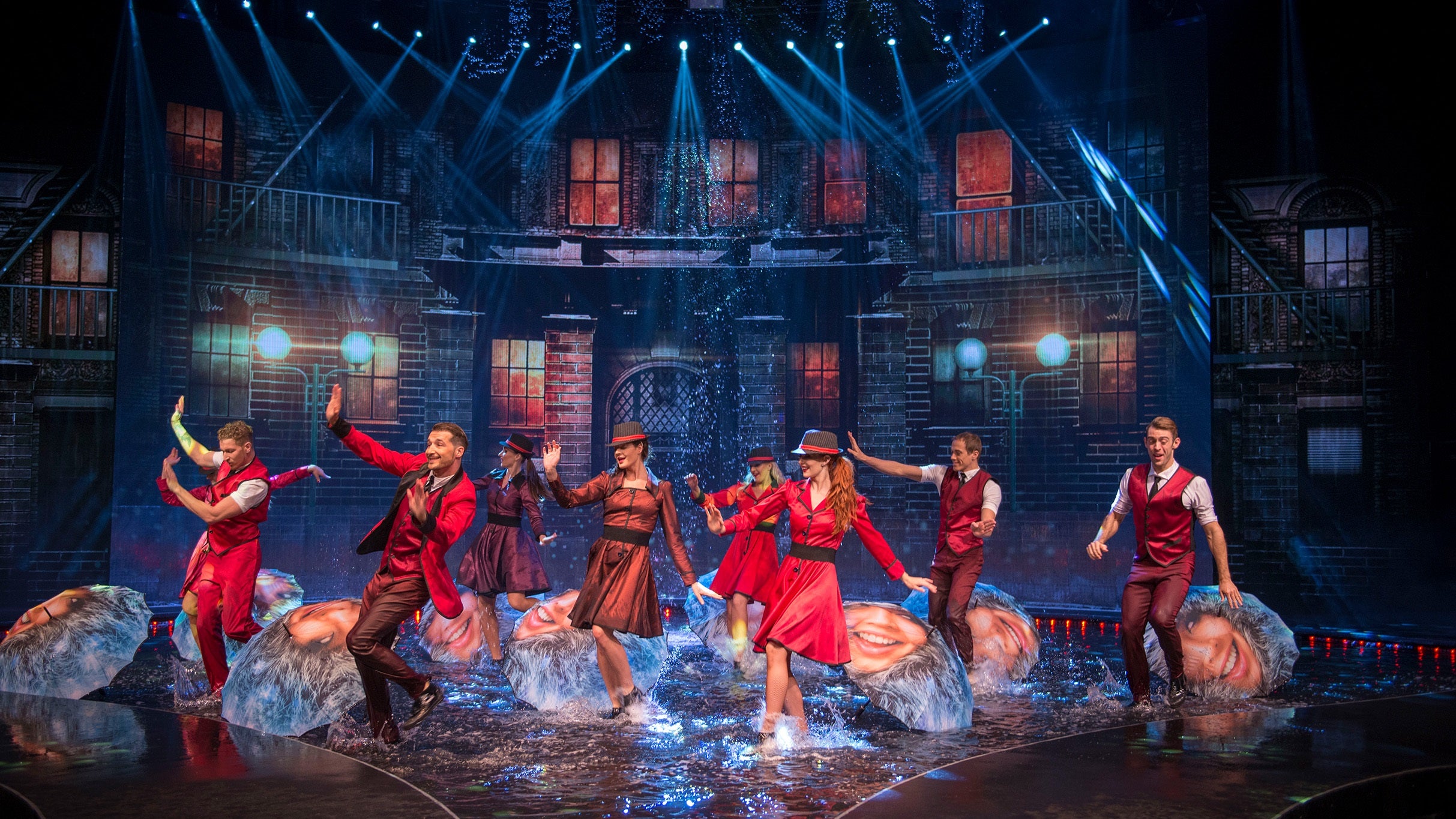
Apr. 7, 2026
WOW - The Vegas Spectacular
Apr. 7, 2026
Cirque du Soleil: Mystere