- Today
- Holidays
- Birthdays
- Reminders
- Cities
- Atlanta
- Austin
- Baltimore
- Berwyn
- Beverly Hills
- Birmingham
- Boston
- Brooklyn
- Buffalo
- Charlotte
- Chicago
- Cincinnati
- Cleveland
- Columbus
- Dallas
- Denver
- Detroit
- Fort Worth
- Houston
- Indianapolis
- Knoxville
- Las Vegas
- Los Angeles
- Louisville
- Madison
- Memphis
- Miami
- Milwaukee
- Minneapolis
- Nashville
- New Orleans
- New York
- Omaha
- Orlando
- Philadelphia
- Phoenix
- Pittsburgh
- Portland
- Raleigh
- Richmond
- Rutherford
- Sacramento
- Salt Lake City
- San Antonio
- San Diego
- San Francisco
- San Jose
- Seattle
- Tampa
- Tucson
- Washington
Cortigent Presents Promising 6-Year Study Results for Orion Visual Prosthesis at NANS 2026
Cortigent's brain implant device shows safety and ability to deliver meaningful visual perception to blind patients
Jan. 29, 2026 at 7:55am
Got story updates? Submit your updates here. ›
Vivani Medical's subsidiary Cortigent presented the results of a 6-year Early Feasibility Study of the Orion Visual Cortical Prosthesis System at the North American Neuromodulation Society (NANS) annual meeting in Las Vegas. The Orion system uses advanced neurostimulation technology to deliver visual perception to blind patients by stimulating the visual cortex. The study results demonstrated the system's safety and reliability over 6 years, as well as its ability to improve visual function in all 6 subjects.
Why it matters
The Orion system represents a promising new approach to restoring vision for the blind by directly stimulating the visual cortex. If the technology continues to prove safe and effective in larger trials, it could significantly improve quality of life for many blind individuals by allowing them to regain some level of visual perception.
The details
The Orion system features a wirelessly powered and controlled implantable pulse generator connected to an array of 60 micro-electrodes designed for implantation on the surface of the visual cortex. A small processing unit worn on the belt converts a real-time video stream from a camera in specialized glasses into wireless commands to precisely stimulate neuron populations and elicit spots of light called phosphenes. After training, all 6 subjects in the study demonstrated improved visual function with the system turned on versus off.
- The study was conducted between January 2018 and March 2025.
- Subjects were implanted between January 2018 and January 2019.
- The study concluded in March 2025.
The players
Cortigent, Inc.
A wholly-owned subsidiary of Vivani Medical, Inc. that is developing the Orion Visual Cortical Prosthesis System.
Nader Pouratian, MD, PhD
The Principal Investigator for the Orion system study from the University of Texas Southwestern Medical Center.
Uday Patel, PhD
The lead neuroscientist at Cortigent.
What they’re saying
“We are encouraged by the positive clinical study results that demonstrate the Orion cortical stimulation system's safety and reliability over 6 years and ability to deliver meaningful visual perception.”
— Uday Patel, PhD, Lead Neuroscientist, Cortigent
What’s next
The next step will be to plan a larger pivotal clinical trial intended to seek marketing approval for the Orion system, subject to discussions with the U.S. Food and Drug Administration.
The takeaway
The Orion visual prosthesis represents a significant advancement in restoring vision for the blind by directly stimulating the visual cortex. If further trials continue to demonstrate the system's safety and efficacy, it could dramatically improve quality of life for many individuals living with blindness.
Las Vegas top stories


Las Vegas events
Apr. 6, 2026
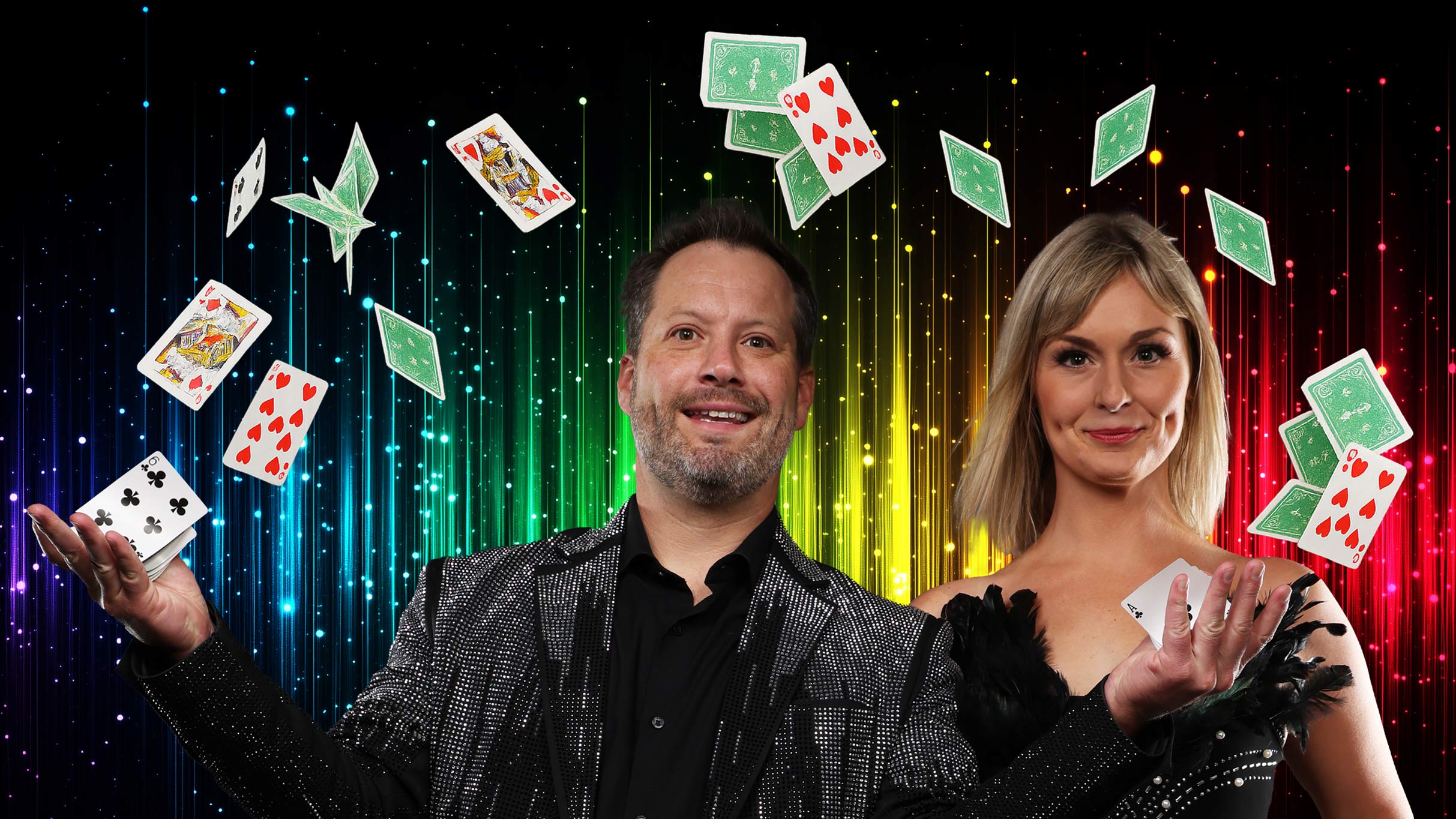
Farrell Dillon Comedy Magician
Apr. 6, 2026
The Wizard of Oz at Sphere
Apr. 6, 2026
WOW - The Vegas Spectacular