- Today
- Holidays
- Birthdays
- Reminders
- Cities
- Atlanta
- Austin
- Baltimore
- Berwyn
- Beverly Hills
- Birmingham
- Boston
- Brooklyn
- Buffalo
- Charlotte
- Chicago
- Cincinnati
- Cleveland
- Columbus
- Dallas
- Denver
- Detroit
- Fort Worth
- Houston
- Indianapolis
- Knoxville
- Las Vegas
- Los Angeles
- Louisville
- Madison
- Memphis
- Miami
- Milwaukee
- Minneapolis
- Nashville
- New Orleans
- New York
- Omaha
- Orlando
- Philadelphia
- Phoenix
- Pittsburgh
- Portland
- Raleigh
- Richmond
- Rutherford
- Sacramento
- Salt Lake City
- San Antonio
- San Diego
- San Francisco
- San Jose
- Seattle
- Tampa
- Tucson
- Washington
White Sands Today
By the People, for the People
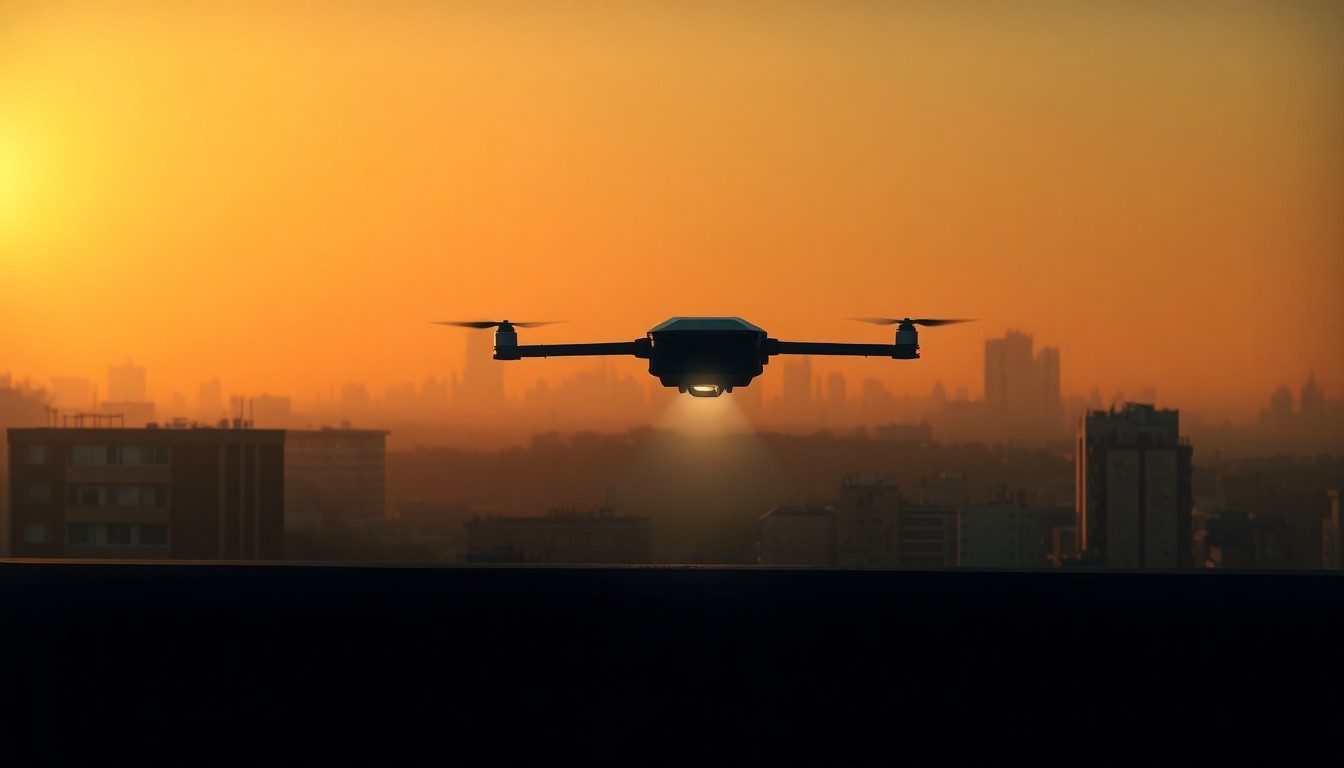
FAA Approves Use of Anti-Drone Lasers Along Southern Border
Agency says proper precautions will protect flights from cartel drone threats
Apr. 10, 2026 at 11:21pm
Got story updates? Submit your updates here. ›
 New counter-drone lasers will bolster border security, but concerns remain about their impact on air travel safety.White Sands Today
The Federal Aviation Administration (FAA) has announced that counter-drone lasers used by the U.S. military and Homeland Security along the southern border are safe and will not necessitate airport closures, after a review prompted by airspace closures in Texas earlier this year. The FAA and Defense Department have signed an agreement outlining safety precautions to protect travelers whenever these lasers are deployed to combat cartel drones.
Why it matters
Drones have become a growing threat along the U.S.-Mexico border, with Mexican cartels using them to smuggle drugs and surveil law enforcement. The use of armed drones in conflicts like Ukraine and Iran has highlighted the potential dangers. The FAA's approval of anti-drone lasers aims to provide authorities with an effective tool to address this emerging security challenge while ensuring the safety of air travel.
The details
In early February, the FAA closed the airspace around the El Paso airport for several hours after another agency used a counter-drone laser without notifying the aviation safety regulator. A second, more limited airspace closure later that month followed the military shooting down a drone owned by U.S. Customs and Border Protection. A demonstration of the lasers at the White Sands Missile Range in New Mexico convinced the FAA that they can be used safely with proper precautions.
- In early February, the FAA closed the airspace around the El Paso airport for several hours after another agency used a counter-drone laser without notifying the aviation safety regulator.
- In late February, a second, more limited airspace closure followed the military shooting down a drone owned by U.S. Customs and Border Protection.
- Last month, a demonstration of the lasers at the White Sands Missile Range in New Mexico convinced the FAA that they can be used safely.
The players
Federal Aviation Administration (FAA)
The U.S. government agency responsible for the regulation and oversight of civil aviation.
U.S. Department of Defense
The executive department of the U.S. federal government responsible for coordinating and supervising all agencies and functions of the government directly related to national security and the U.S. Armed Forces.
U.S. Customs and Border Protection
A federal law enforcement agency of the U.S. Department of Homeland Security charged with regulating and facilitating international trade, collecting import duties, and enforcing U.S. regulations, including immigration and drug laws.
Bryan Bedford
FAA Administrator.
Matt Ross
U.S. Army Brigadier General.
What they’re saying
“We will continue working with our interagency partners to ensure the National Airspace System remains safe while addressing emerging drone threats.”
— Bryan Bedford, FAA Administrator
“By working hand-in-hand with the FAA and our interagency partners, the Department of War is proving that these cutting-edge capabilities are safe, effective, and ready to protect all air travelers from illicit drone use in the national airspace.”
— Matt Ross, U.S. Army Brigadier General
What’s next
The FAA has not yet held a briefing for Congress, and Democratic senators who raised questions after the anti-drone laser uses in February say they need detailed answers before they can be sure the lasers are safe.
The takeaway
The FAA's approval of anti-drone lasers along the southern border represents a significant step in addressing the growing threat of cartel drones, but continued interagency collaboration and transparency will be crucial to ensuring the safety of air travel as these new counter-drone technologies are deployed.