- Today
- Holidays
- Birthdays
- Reminders
- Cities
- Atlanta
- Austin
- Baltimore
- Berwyn
- Beverly Hills
- Birmingham
- Boston
- Brooklyn
- Buffalo
- Charlotte
- Chicago
- Cincinnati
- Cleveland
- Columbus
- Dallas
- Denver
- Detroit
- Fort Worth
- Houston
- Indianapolis
- Knoxville
- Las Vegas
- Los Angeles
- Louisville
- Madison
- Memphis
- Miami
- Milwaukee
- Minneapolis
- Nashville
- New Orleans
- New York
- Omaha
- Orlando
- Philadelphia
- Phoenix
- Pittsburgh
- Portland
- Raleigh
- Richmond
- Rutherford
- Sacramento
- Salt Lake City
- San Antonio
- San Diego
- San Francisco
- San Jose
- Seattle
- Tampa
- Tucson
- Washington
Oklahoma Oil Company Accused of Fraud in New Mexico Well Sale
Lawsuit alleges ExxonMobil and Empire Petroleum undervalued cleanup costs in $200 million deal.
Apr. 8, 2026 at 8:56pm
Got story updates? Submit your updates here. ›
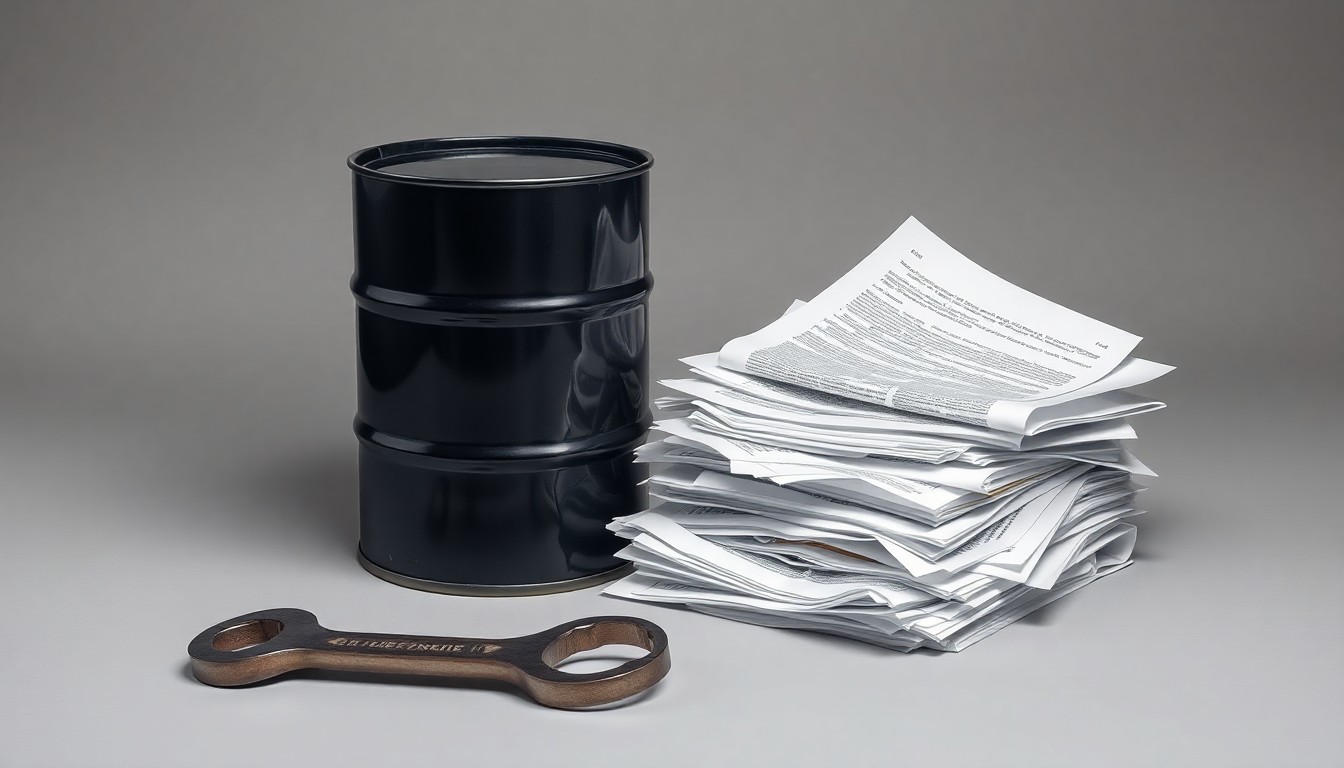 A still-life of the legal and financial remnants of an alleged $200 million oil well fraud case, exposing the complex web of corporate liabilities and state oversight.Santa Fe Today
A whistleblower lawsuit filed in Santa Fe, New Mexico accuses ExxonMobil and Tulsa-based Empire Petroleum of defrauding the state by undervaluing the cleanup costs associated with hundreds of aging oil and gas wells they sold in a $200 million deal in 2021. The lawsuit claims the companies misrepresented the true well plugging and remediation expenses, leading Empire to take on wells it could not realistically afford to maintain.
Why it matters
This case highlights ongoing concerns about the financial burden of well cleanup on state governments as aging oil infrastructure reaches the end of its lifespan. It also raises questions about transparency and accountability in the energy industry's asset sales.
The details
The lawsuit was filed by two Qui Tam plaintiffs, Gregory Rogers and Theron Horton, who allege that ExxonMobil's XTO Energy subsidiary and Empire Petroleum 'massively' undervalued the debt obligations associated with plugging and remediating nearly 700 oil, gas and injection wells covering 40,000 acres in the Permian Basin. In its initial 2022 SEC filing, Empire reported a $6.1 million asset retirement obligation, equating to just $9,100 per well. However, New Mexico's Oil Conservation Division estimates the actual state-wide average cost to plug and remediate a well is around $214,000.
- In 2021, ExxonMobil and Empire Petroleum completed the sale of several hundred aging oil and gas wells in New Mexico.
- In 2022, Empire Petroleum reported a $6.1 million asset retirement obligation related to the well sale in its SEC filing.
- In 2023, New Mexico's Oil Conservation Division estimated the average well plugging and remediation cost in the state is around $214,000 per well.
The players
ExxonMobil
A major American oil and gas company that sold hundreds of aging wells in New Mexico through its XTO Energy subsidiary.
Empire Petroleum
A Tulsa-based oil and gas company that acquired the wells from ExxonMobil in a $200 million deal, but is now accused of underestimating the true cleanup costs.
Gregory Rogers
A Qui Tam plaintiff who filed the whistleblower lawsuit against ExxonMobil and Empire Petroleum.
Theron Horton
A Qui Tam plaintiff who filed the whistleblower lawsuit against ExxonMobil and Empire Petroleum.
New Mexico Oil Conservation Division
The state agency that oversees oil and gas operations and provided the estimate of $214,000 per well for average plugging and remediation costs.
What they’re saying
“According to production figures filed with New Mexico's Oil Conservation Division, Empire New Mexico reported selling 17% less oil and 18% less natural gas to market in 2025 than in 2022.”
— Sidney Hill, Public information officer, New Mexico Energy, Minerals and Natural Resources Department
What’s next
The judge overseeing the Qui Tam lawsuit will determine whether to allow the case to proceed and potentially force ExxonMobil and Empire Petroleum to pay damages to the state of New Mexico.
The takeaway
This case highlights the ongoing challenges states face in ensuring energy companies properly account for the full costs of decommissioning aging oil and gas infrastructure. It also raises concerns about transparency in asset sales and the potential for companies to shift environmental liabilities onto state governments.