- Today
- Holidays
- Birthdays
- Reminders
- Cities
- Atlanta
- Austin
- Baltimore
- Berwyn
- Beverly Hills
- Birmingham
- Boston
- Brooklyn
- Buffalo
- Charlotte
- Chicago
- Cincinnati
- Cleveland
- Columbus
- Dallas
- Denver
- Detroit
- Fort Worth
- Houston
- Indianapolis
- Knoxville
- Las Vegas
- Los Angeles
- Louisville
- Madison
- Memphis
- Miami
- Milwaukee
- Minneapolis
- Nashville
- New Orleans
- New York
- Omaha
- Orlando
- Philadelphia
- Phoenix
- Pittsburgh
- Portland
- Raleigh
- Richmond
- Rutherford
- Sacramento
- Salt Lake City
- San Antonio
- San Diego
- San Francisco
- San Jose
- Seattle
- Tampa
- Tucson
- Washington
Washington Today
By the People, for the People
Two More States Allow Unemployment Benefits for Striking Workers
Federal memo clarifies requirements, but some states push back against the policy change.
Apr. 3, 2026 at 4:22pm
Got story updates? Submit your updates here. ›
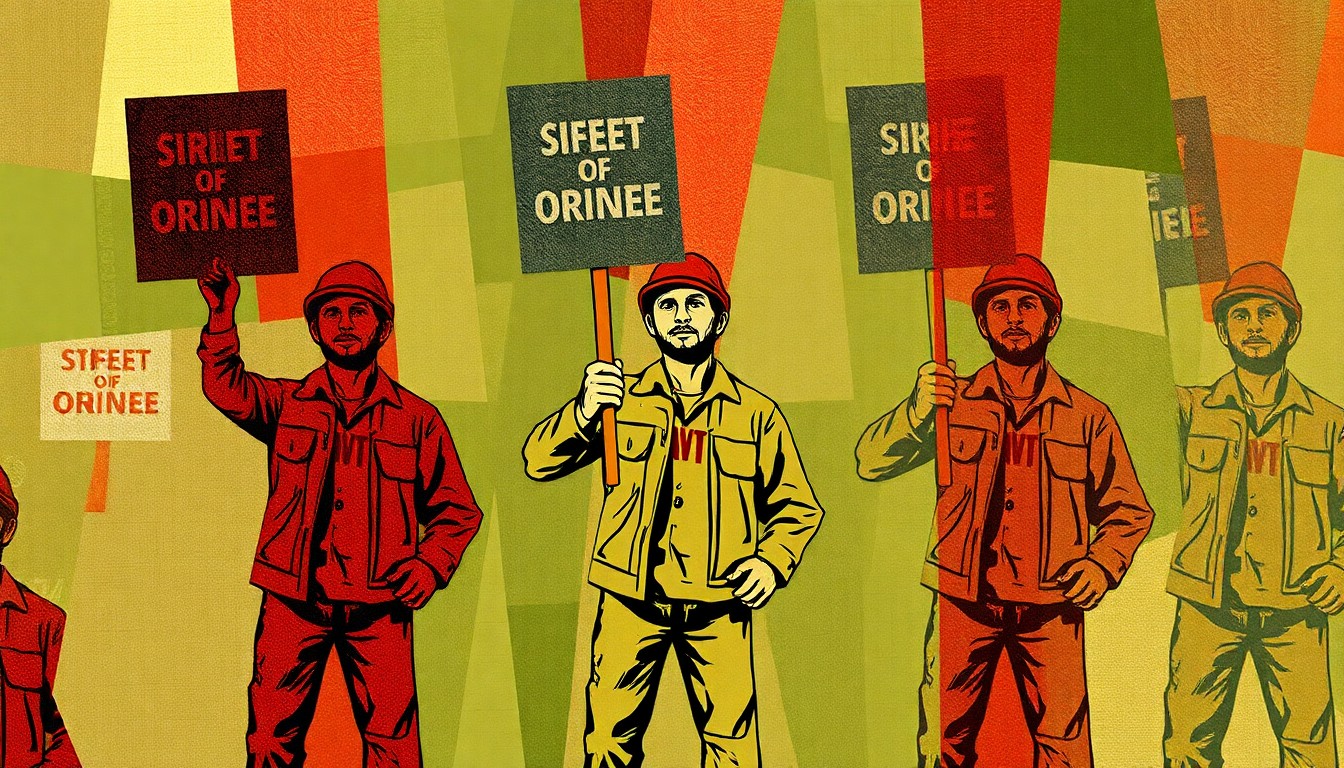 The expansion of unemployment benefits for striking workers has sparked debate over the purpose and solvency of state insurance funds.Washington Today
The Department of Labor (DOL) released a memo indicating that states could not provide unemployment insurance benefits to striking workers unless they were actively seeking work. However, four states - Washington, Oregon, New Jersey, and New York - have passed laws allowing some striking workers to claim benefits, sparking debate over the purpose and solvency of unemployment insurance funds.
Why it matters
The new state laws have raised concerns about the fundamental purpose of unemployment insurance and the potential financial burden on state budgets. Opponents argue the policy unfairly shifts responsibility from unions to employers and could increase the frequency and duration of labor disputes. Proponents say it supports local economies and creates fairer negotiations.
The details
In 2025, governors in Washington and Oregon signed legislation offering unemployment benefits to workers involved in certain labor disputes, joining New Jersey (2018) and New York (2020). The DOL memo reiterated that states must require claimants to be actively seeking work or risk losing federal grants that cover most administrative costs. The memo said states cannot provide blanket exemptions, and workers must genuinely seek other jobs during a labor dispute.
- On Jan. 8, 2026, the DOL published a memo clarifying federal unemployment insurance law regarding individuals involved in strikes.
- In 2025, governors in Washington and Oregon signed legislation offering unemployment benefits to workers involved in certain labor disputes.
- In 2018 and 2020, New Jersey and New York passed similar laws allowing some striking workers to claim benefits.
The players
Department of Labor (DOL)
The federal agency that oversees unemployment insurance programs and issued the memo clarifying requirements for states.
Washington
A state that passed a law in 2025 extending unemployment benefits for up to six weeks and expanding eligibility to include workers affected by an employer-initiated lockout.
Oregon
A state that passed a law in 2025 providing unemployment benefits to individuals who are otherwise eligible, even if they are involved in an active labor dispute such as a strike.
New Jersey
A state that passed a law in 2018 allowing some striking workers to claim unemployment benefits.
New York
A state that passed a law in 2020 allowing some striking workers to claim unemployment benefits.
What they’re saying
“The unemployment insurance fund is an institution in this state. Oregonians trust that we, the Legislature, will protect the sanctity of this fund so that it's there in their time of need — not their time of want, not their time of desire.”
— Daniel Bonham, Oregon State Senator
What’s next
As of April 3, 2026, there were active bills in at least four states that would extend unemployment benefits to at least some workers involved in labor disputes, including in Connecticut where lawmakers may send the proposal to Gov. Lamont for consideration for the third consecutive session.
The takeaway
The debate over providing unemployment benefits to striking workers highlights the tension between supporting workers' rights and maintaining the financial integrity of state unemployment insurance funds. While some states have expanded eligibility, the federal government has pushed back, underscoring the complex policy considerations at play.