- Today
- Holidays
- Birthdays
- Reminders
- Cities
- Atlanta
- Austin
- Baltimore
- Berwyn
- Beverly Hills
- Birmingham
- Boston
- Brooklyn
- Buffalo
- Charlotte
- Chicago
- Cincinnati
- Cleveland
- Columbus
- Dallas
- Denver
- Detroit
- Fort Worth
- Houston
- Indianapolis
- Knoxville
- Las Vegas
- Los Angeles
- Louisville
- Madison
- Memphis
- Miami
- Milwaukee
- Minneapolis
- Nashville
- New Orleans
- New York
- Omaha
- Orlando
- Philadelphia
- Phoenix
- Pittsburgh
- Portland
- Raleigh
- Richmond
- Rutherford
- Sacramento
- Salt Lake City
- San Antonio
- San Diego
- San Francisco
- San Jose
- Seattle
- Tampa
- Tucson
- Washington
Rutgers President's Daughter Lives in Historic House for Free
The university's decision to allow the president's daughter to occupy the traditional presidential residence raises questions about equity and the use of university resources.
Apr. 11, 2026 at 12:04am
Got story updates? Submit your updates here. ›
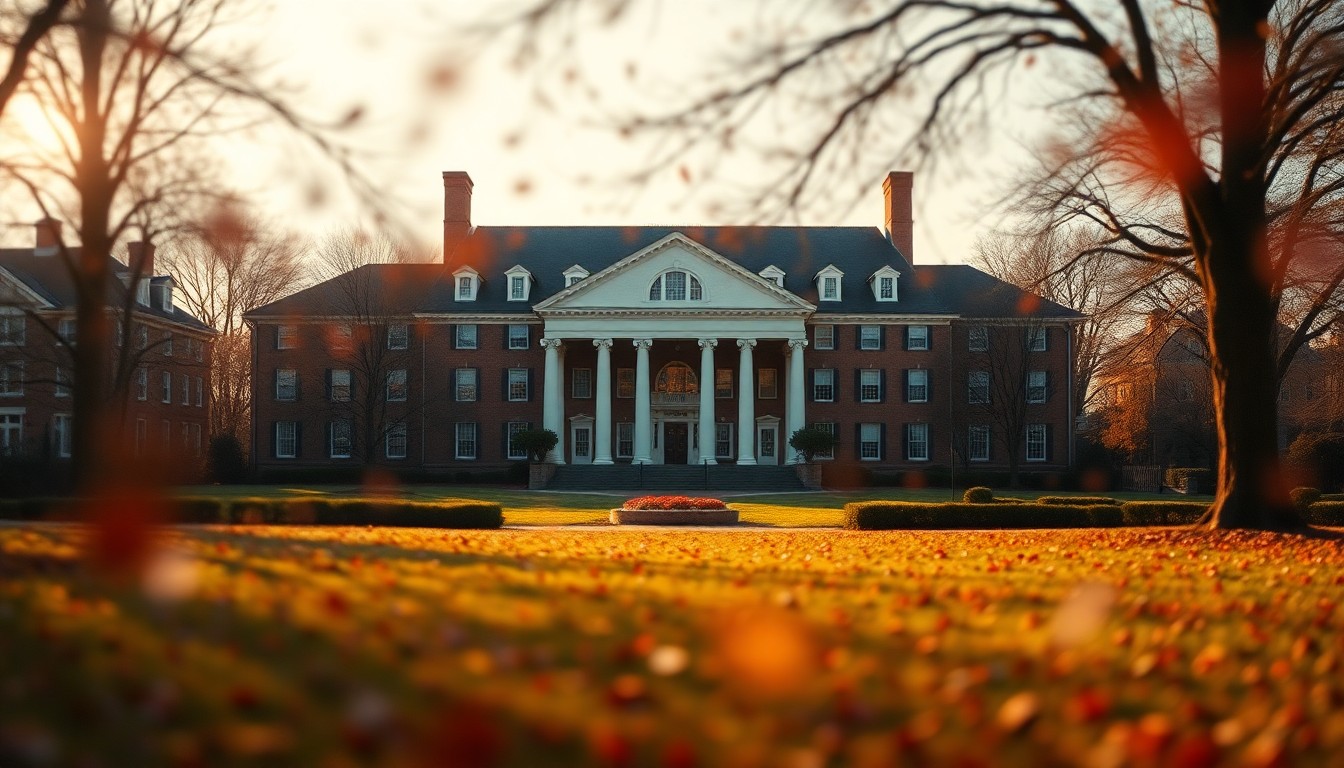 The historic Rutgers presidential residence stands vacant, its future uncertain as the university grapples with balancing tradition and modern realities.New Brunswick Today
Rutgers University's current president, William F. Tate IV, has opted to live in a pair of luxury apartments on the College Avenue campus rather than the historic 14,000-square-foot hilltop house that has traditionally been the residence of Rutgers presidents. However, Tate's daughter, a graduate assistant, is now occupying the historic house and receiving free housing and housekeeping services from the university.
Why it matters
This situation highlights the challenges universities face in balancing tradition and modernity. The idea of a presidential residence has deep roots, but the practicality and desirability of such a residence in today's context are up for debate. The university's consideration of alternative housing options reflects the complexities of managing a university's assets and resources, and the decision to allow the president's daughter to occupy the historic house raises questions about equity and the use of university resources.
The details
The historic house, built in 1928, was once owned by the family of Robert Wood Johnson, the founder of Johnson & Johnson, and was later gifted to Rutgers by a group of trustees. However, the house has faced challenges, including proximity to Route 18 and age-related problems such as mold and lead hazards. The university emphasizes that the arrangement for Tate's daughter has not incurred any additional costs, but the free housing and services provided to her are a significant perk.
- Tate became Rutgers' president in 2021.
- Tate's daughter, a graduate assistant, is currently occupying the historic house.
The players
William F. Tate IV
The current president of Rutgers University, who has chosen to live in a pair of luxury apartments on the College Avenue campus rather than the traditional presidential residence.
Robert Barchi
A former president of Rutgers University, who humorously noted the koi fish's need for earplugs due to the highway noise near the historic presidential residence.
Robert Wood Johnson
The founder of Johnson & Johnson, whose family once owned the historic house that is now the traditional Rutgers presidential residence.
What’s next
The university is expected to continue evaluating the use of the historic presidential residence and explore alternative housing options that balance tradition, practicality, and equity.
The takeaway
This situation at Rutgers University highlights the complex challenges universities face in managing their resources and traditions, particularly when it comes to housing for university leadership. The decision to allow the president's daughter to occupy the historic residence raises questions about equity and the use of university assets, prompting a closer examination of the evolving role of the presidential residence in modern higher education.
New Brunswick top stories


New Brunswick events

Apr. 12, 2026
Itzhak Perlman
Apr. 16, 2026
The Concert: A Tribute To ABBA
Apr. 17, 2026
Chris Mitchell