- Today
- Holidays
- Birthdays
- Reminders
- Cities
- Atlanta
- Austin
- Baltimore
- Berwyn
- Beverly Hills
- Birmingham
- Boston
- Brooklyn
- Buffalo
- Charlotte
- Chicago
- Cincinnati
- Cleveland
- Columbus
- Dallas
- Denver
- Detroit
- Fort Worth
- Houston
- Indianapolis
- Knoxville
- Las Vegas
- Los Angeles
- Louisville
- Madison
- Memphis
- Miami
- Milwaukee
- Minneapolis
- Nashville
- New Orleans
- New York
- Omaha
- Orlando
- Philadelphia
- Phoenix
- Pittsburgh
- Portland
- Raleigh
- Richmond
- Rutherford
- Sacramento
- Salt Lake City
- San Antonio
- San Diego
- San Francisco
- San Jose
- Seattle
- Tampa
- Tucson
- Washington
Thrift Store Items to Avoid, According to Interior Designers
Designers share the secondhand finds that may not be worth the risk.
Apr. 7, 2026 at 9:56pm
Got story updates? Submit your updates here. ›
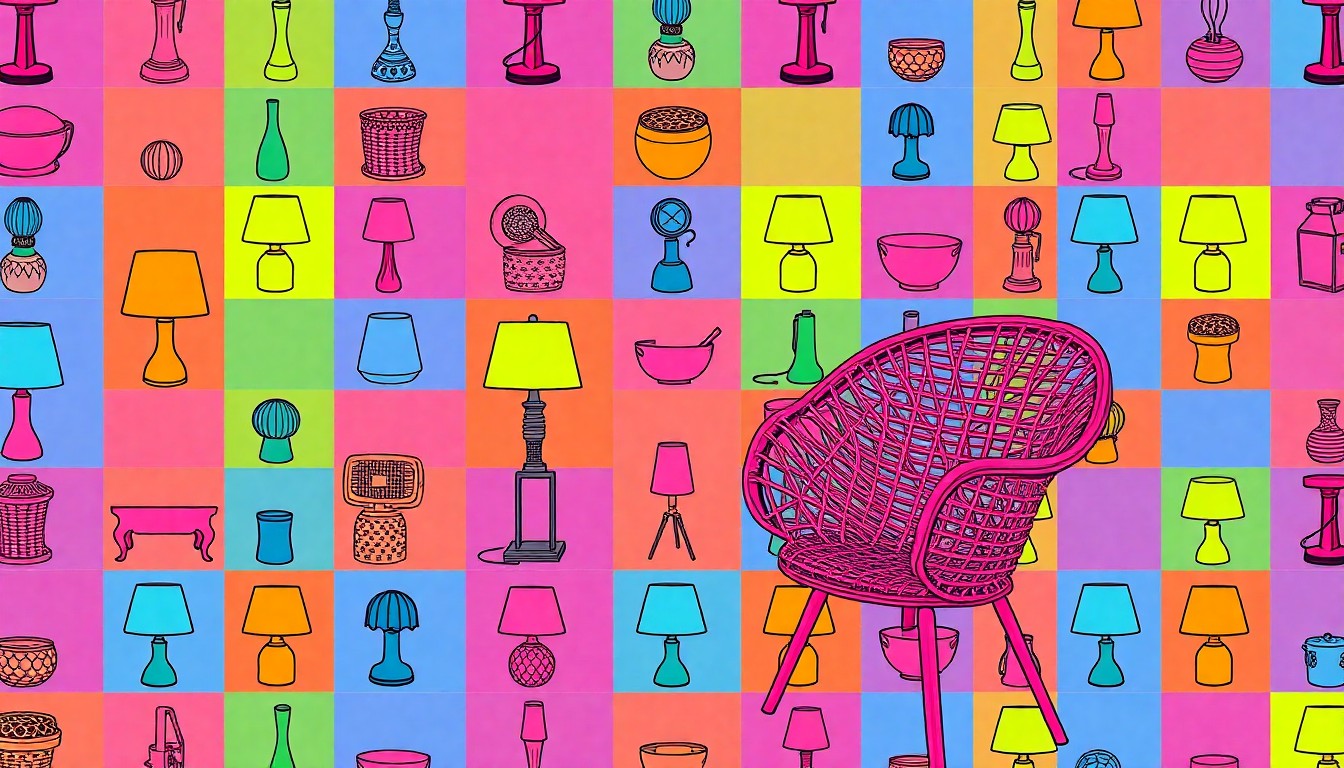 Thrifting can yield unique home decor, but designers warn against purchasing certain secondhand items that may pose safety or hygiene risks.Jersey City Today
While thrift stores can be great places to find vintage treasures, interior designers warn against purchasing certain items secondhand due to potential safety and hygiene concerns. Items like mattresses, electronics, cookware, baby furniture, car seats, and stuffed animals should generally be avoided when shopping at thrift stores or online marketplaces.
Why it matters
Thrifting has become increasingly popular as a way to find unique, affordable home decor and furnishings. However, some secondhand items may pose risks to health and safety that consumers should be aware of before making purchases.
The details
Designers say it's best to avoid anything that can't be thoroughly cleaned, especially soft items that could harbor things like bed bugs or mold. Additionally, anything designed for keeping you and your family safe, like a car seat or bike helmet, is meant to meet specific safety standards, and it's not possible to know for certain that a thrifted item meets those standards. Other items may look interesting but require significant repair work that outweighs the potential savings.
- Regulations regarding lead in dishes and glassware weren't put in place until 1971.
The players
Amy Leferink
Owner and principal designer of Interior Impressions.
Honey Collins
Founder of Honey Collins Interiors.
What they’re saying
“Anything that can't be thoroughly cleaned or disinfected — like used mattresses — is a no-go.”
— Amy Leferink, Owner and principal designer
“Anything involving electrical wiring — like old lamps or appliances — are a hard no for me. Safety comes first, and there's just no way to guarantee those items are up to standard, no matter how beautiful or nostalgic they may appear.”
— Honey Collins, Founder
The takeaway
While thrift stores can be a treasure trove for home decor enthusiasts, it's important to exercise caution when purchasing certain secondhand items that could pose risks to health and safety. Designers recommend focusing thrift store finds on decorative pieces rather than functional items that are difficult to thoroughly clean or may not meet current safety standards.