- Today
- Holidays
- Birthdays
- Reminders
- Cities
- Atlanta
- Austin
- Baltimore
- Berwyn
- Beverly Hills
- Birmingham
- Boston
- Brooklyn
- Buffalo
- Charlotte
- Chicago
- Cincinnati
- Cleveland
- Columbus
- Dallas
- Denver
- Detroit
- Fort Worth
- Houston
- Indianapolis
- Knoxville
- Las Vegas
- Los Angeles
- Louisville
- Madison
- Memphis
- Miami
- Milwaukee
- Minneapolis
- Nashville
- New Orleans
- New York
- Omaha
- Orlando
- Philadelphia
- Phoenix
- Pittsburgh
- Portland
- Raleigh
- Richmond
- Rutherford
- Sacramento
- Salt Lake City
- San Antonio
- San Diego
- San Francisco
- San Jose
- Seattle
- Tampa
- Tucson
- Washington
Asbury Park Today
By the People, for the People
Black Panthers' Influence Fades in NJ Shore Area
Once labeled 'Public Enemy Number One,' the militant group struggles to gain a foothold in the region
Published on Feb. 22, 2026
Got story updates? Submit your updates here. ›
The Black Panther Party's influence in the New Jersey Shore area appears to be collapsing, as the group shifts its focus from revolutionary rhetoric to community service. Local police report that the militant group, which once espoused violence and socialism, has failed to gain a foothold in the Shore area, following a failed attempt to organize a Lakewood chapter in late 1968 that culminated in a firebombing incident. Today, police in Freehold and Red Bank report no active Panther presence, while in Asbury Park, a 'skeleton' crew maintains a storefront on Springwood Avenue with sparse attendance at meetings.
Why it matters
The decline of the Black Panther Party's influence in the New Jersey Shore area reflects a broader shift in the group's focus and tactics, as it moves away from its militant past and towards more community-oriented programs. This change highlights the challenges faced by radical movements in maintaining momentum and relevance over time, as well as the ongoing tensions between law enforcement and civil rights groups.
The details
In late 1968, the Black Panther Party attempted to organize a Lakewood chapter, recruiting 15 to 20 local youths, mostly teenagers, for a 'revolutionary' training camp. The Lakewood chapter's activities culminated shortly after midnight on New Year's Day 1969, when the group firebombed the Ocean County Citizen newspaper office and two local taverns. The damage was slight, but the backlash was severe, as the 'wanton acts of destruction' alienated the local black community. Within two months, 12 members were arrested, effectively ending the chapter.
- In late 1968, the Black Panther Party attempted to organize a Lakewood chapter.
- Shortly after midnight on New Year's Day 1969, the Lakewood chapter firebombed the Ocean County Citizen newspaper office and two local taverns.
- Within two months of the firebombing incident, 12 members of the Lakewood chapter were arrested.
The players
Black Panther Party
A militant African-American political organization that was once labeled 'Public Enemy Number One' by FBI Director J. Edgar Hoover, but has since shifted its focus from revolutionary rhetoric to community service.
J. Edgar Hoover
The former director of the Federal Bureau of Investigation (FBI), who once labeled the Black Panther Party as 'Public Enemy Number One'.
The takeaway
The decline of the Black Panther Party's influence in the New Jersey Shore area reflects a broader shift in the group's focus and tactics, as it moves away from its militant past and towards more community-oriented programs. This change highlights the challenges faced by radical movements in maintaining momentum and relevance over time, as well as the ongoing tensions between law enforcement and civil rights groups.
Asbury Park top stories



Asbury Park events
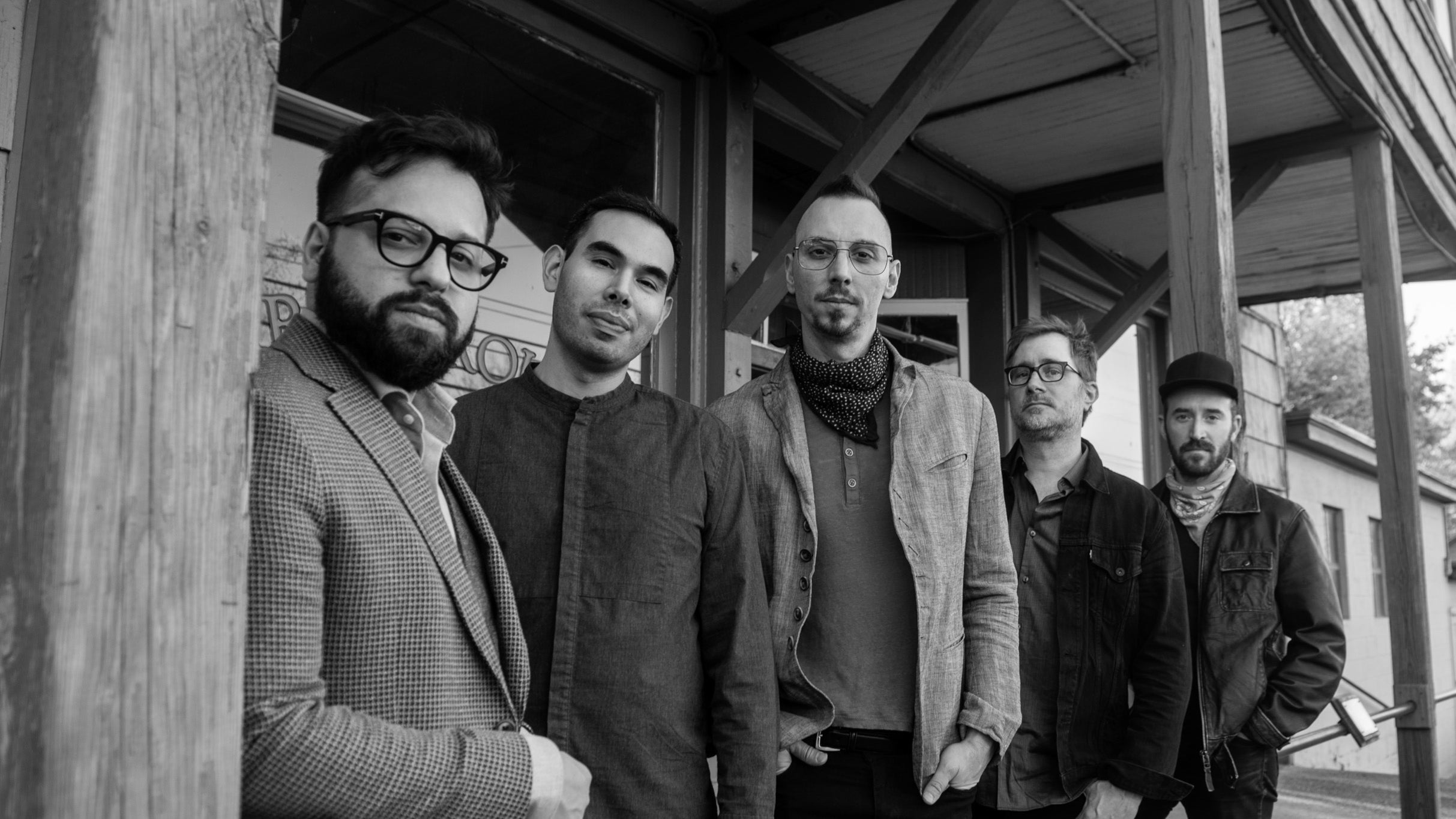
Mar. 14, 2026
Hollis Brown