- Today
- Holidays
- Birthdays
- Reminders
- Cities
- Atlanta
- Austin
- Baltimore
- Berwyn
- Beverly Hills
- Birmingham
- Boston
- Brooklyn
- Buffalo
- Charlotte
- Chicago
- Cincinnati
- Cleveland
- Columbus
- Dallas
- Denver
- Detroit
- Fort Worth
- Houston
- Indianapolis
- Knoxville
- Las Vegas
- Los Angeles
- Louisville
- Madison
- Memphis
- Miami
- Milwaukee
- Minneapolis
- Nashville
- New Orleans
- New York
- Omaha
- Orlando
- Philadelphia
- Phoenix
- Pittsburgh
- Portland
- Raleigh
- Richmond
- Rutherford
- Sacramento
- Salt Lake City
- San Antonio
- San Diego
- San Francisco
- San Jose
- Seattle
- Tampa
- Tucson
- Washington
Google's Gemini AI Embraces Gradient Design for Accessible AI Assistants
Exploring the visual language and design choices behind Google's new AI assistant Gemini
Apr. 12, 2026 at 10:40pm
Got story updates? Submit your updates here. ›
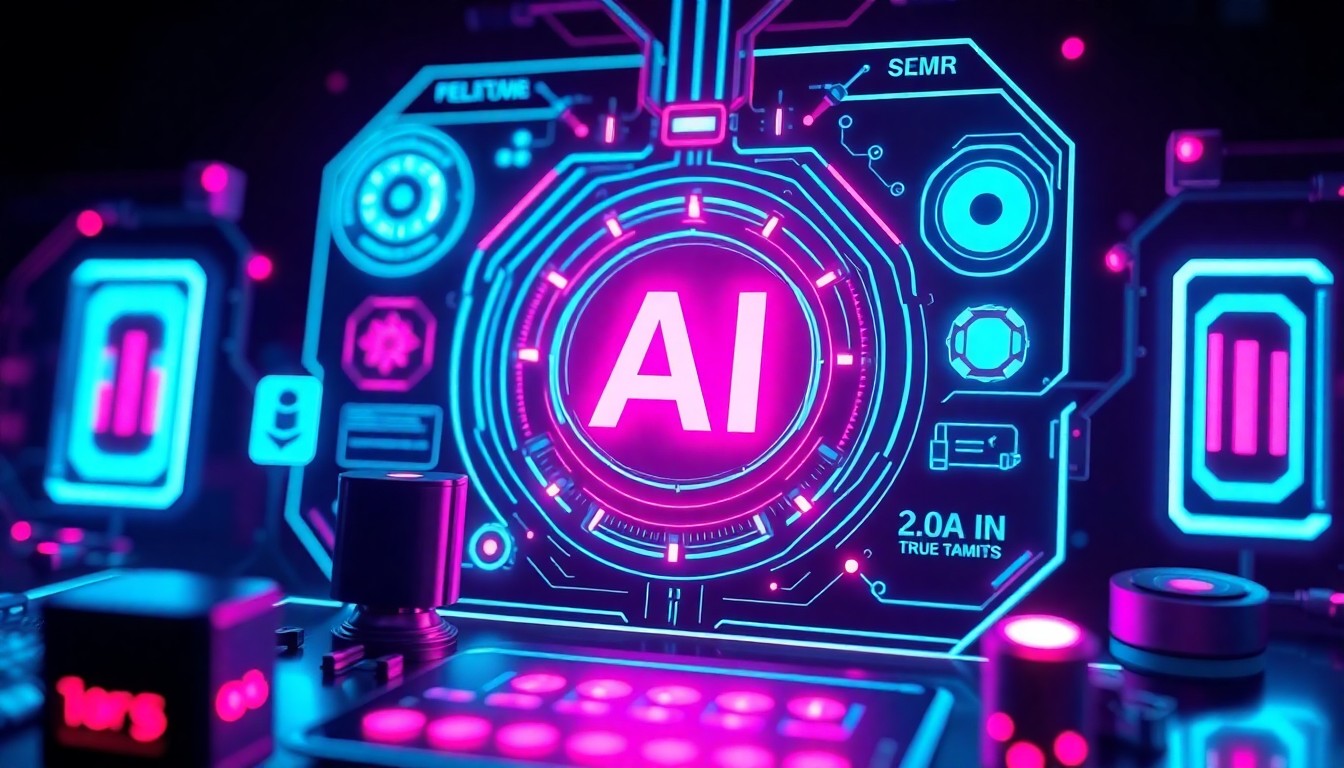 Google's gradient-based design for the Gemini AI assistant aims to make the technology more relatable and accessible, drawing inspiration from iconic user interfaces of the past.Omaha Today
Google's design team has unveiled an intriguing comparison, suggesting that the Gemini AI assistant's gradient design is reminiscent of the iconic smiling Macintosh from 1984. The company views AI assistants as a novel design frontier, similar to the groundbreaking Macintosh GUI, and believes gradients are the solution to making Gemini more accessible and relatable to users.
Why it matters
Google's designers are exploring new ways to bridge the gap between users and AI technology, drawing inspiration from pioneering interface designs like the Macintosh. The use of gradients in Gemini aims to guide users into a collaborative world with the AI assistant, offering an adaptable and amorphous experience. This innovative approach to AI assistant design sparks debate around accessibility and whether gradients truly enhance the user experience.
The details
Google's designers view gradients as a way to indicate energy transfer and direction, with sharp leading edges that fade to guide user attention. The gradients also bring the system to life, visualizing Gemini's thought processes and making the AI assistant more relatable. The 'softness' of the design, achieved through gradients, language, and signaling, ensures users feel secure when interacting with Gemini.
- Google unveiled the Gemini AI assistant design in April 2026.
The players
Susan Kare
A pioneer in the field of user interface design, who created intuitive icons that transformed abstract digital concepts into relatable visuals for the original Macintosh.
Google's design team
The team responsible for the visual design and user experience of the Gemini AI assistant.
What’s next
The debate around the accessibility and effectiveness of Google's gradient design approach for the Gemini AI assistant is ongoing, with users and experts weighing in on whether this innovative visual language truly bridges the gap between technology and users.
The takeaway
Google's design choices for the Gemini AI assistant highlight the company's efforts to make AI more relatable and accessible to users, drawing inspiration from pioneering interface designs like the Macintosh. The use of gradients aims to guide users into a collaborative world with the AI, but the debate continues on whether this approach successfully enhances the user experience.
Omaha top stories


Omaha events

Apr. 12, 2026
Creighton Bluejays v Seton Hall Pirates

Apr. 12, 2026
The Cat in the Hat