- Today
- Holidays
- Birthdays
- Reminders
- Cities
- Atlanta
- Austin
- Baltimore
- Berwyn
- Beverly Hills
- Birmingham
- Boston
- Brooklyn
- Buffalo
- Charlotte
- Chicago
- Cincinnati
- Cleveland
- Columbus
- Dallas
- Denver
- Detroit
- Fort Worth
- Houston
- Indianapolis
- Knoxville
- Las Vegas
- Los Angeles
- Louisville
- Madison
- Memphis
- Miami
- Milwaukee
- Minneapolis
- Nashville
- New Orleans
- New York
- Omaha
- Orlando
- Philadelphia
- Phoenix
- Pittsburgh
- Portland
- Raleigh
- Richmond
- Rutherford
- Sacramento
- Salt Lake City
- San Antonio
- San Diego
- San Francisco
- San Jose
- Seattle
- Tampa
- Tucson
- Washington
Omaha City Council Approves $300K Demolition of Rundown Hotel
The city will use keno funds to cover the cost of tearing down the dilapidated property, despite concerns from some council members.
Apr. 9, 2026 at 5:03am
Got story updates? Submit your updates here. ›
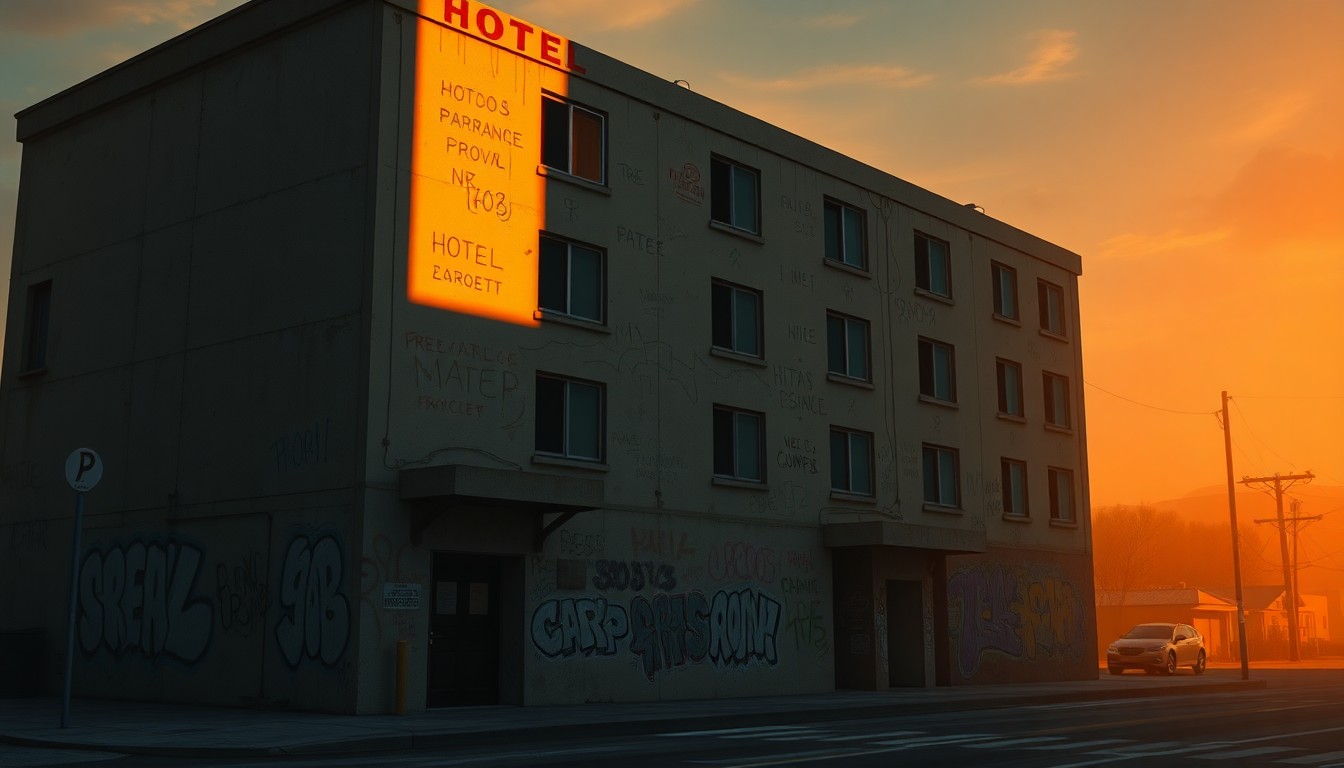 The demolition of a long-neglected hotel property marks a turning point for an Omaha neighborhood, though the city's use of public funds raises questions about fairness.Omaha Today
The City of Omaha has approved a deal to demolish an old, rundown hotel in southwest Omaha at a cost of over $300,000. The city will use keno funds to cover the demolition costs instead of putting a lien on the property owner, a decision that was approved in a narrow 4-3 vote by the city council. While some council members expressed concerns about the fairness of the deal, the majority felt it was the best way to finally get the long-standing eyesore removed from the community.
Why it matters
The rundown hotel has been a problem property for decades, with reports of criminal activity and general disrepair. Its demolition is seen as an important step in improving the surrounding neighborhood, but the city's decision to cover the costs has raised questions about setting a precedent and fairness to other property owners.
The details
The city initially planned to force the property owner, Newport Blue, to pay for the demolition. However, the owner filed a temporary restraining order to stop the teardown. Rather than fight the order in court, the city negotiated a deal where it would use $300,000 from the keno fund to cover the demolition costs, allowing the owner to avoid a lien on the property. Some council members argued this was unfair to taxpayers and set a bad precedent, while others felt it was the best way to finally get the building removed.
- The city council voted on the demolition deal on April 8, 2026.
- Asbestos abatement work had already begun on the property prior to the council's approval.
The players
City of Omaha
The local government that approved the deal to demolish the rundown hotel using city funds.
Newport Blue
The owner of the dilapidated hotel property that was set to be demolished.
Don Rowe
A city council member who has been working for years to get the hotel demolished.
Brinker Harding
A city council member who voted against the demolition deal, arguing it was unfair to taxpayers.
Aimee Melton
A city council member who also voted against the demolition deal, believing it set a bad precedent.
What they’re saying
“This is a great solution. We're going to get that thing torn down now.”
— Don Rowe, City Council Member
“I just don't think that's fair to the taxpayers of Omaha. Again, we all want to see this go away. There's no doubt about that. I think the way we are doing it, it's too much benefit to the current property owner without holding them responsible or putting a lien on the property for the cost of demolition.”
— Brinker Harding, City Council Member
“I'm having a really hard time giving the property owner that kind of benefit after saying no to all of the people we said no to a couple of hours ago.”
— Aimee Melton, City Council Member
“The sooner we can get this building gone and get this property redeveloped, the sooner we'll have another property in there generating more tax dollars, generating more jobs.”
— Ron Hug, City Council Member
What’s next
There is still no timetable on when the demolition of the rundown hotel will begin, but Councilmember Rowe believes it will happen quickly now that the deal has been approved.
The takeaway
The city's decision to use public funds to demolish the rundown hotel, rather than forcing the property owner to pay, highlights the challenges municipalities face in addressing long-standing problem properties. While some council members argued the deal was unfair to taxpayers, the majority felt it was the best way to finally remove the eyesore and spur redevelopment of the site.
Omaha top stories



Omaha events

Apr. 9, 2026
THE DROPTINES
Apr. 10, 2026
Creighton Bluejays v Seton Hall Pirates
Apr. 10, 2026
UNO Mavericks Baseball