- Today
- Holidays
- Birthdays
- Reminders
- Cities
- Atlanta
- Austin
- Baltimore
- Berwyn
- Beverly Hills
- Birmingham
- Boston
- Brooklyn
- Buffalo
- Charlotte
- Chicago
- Cincinnati
- Cleveland
- Columbus
- Dallas
- Denver
- Detroit
- Fort Worth
- Houston
- Indianapolis
- Knoxville
- Las Vegas
- Los Angeles
- Louisville
- Madison
- Memphis
- Miami
- Milwaukee
- Minneapolis
- Nashville
- New Orleans
- New York
- Omaha
- Orlando
- Philadelphia
- Phoenix
- Pittsburgh
- Portland
- Raleigh
- Richmond
- Rutherford
- Sacramento
- Salt Lake City
- San Antonio
- San Diego
- San Francisco
- San Jose
- Seattle
- Tampa
- Tucson
- Washington
Trump Cites 1884 Ruling Against Native American in Bid to Limit Birthright Citizenship
The president is looking to a 142-year-old case to bolster his efforts to restrict who can claim U.S. citizenship.
Mar. 29, 2026 at 11:07am
Got story updates? Submit your updates here. ›
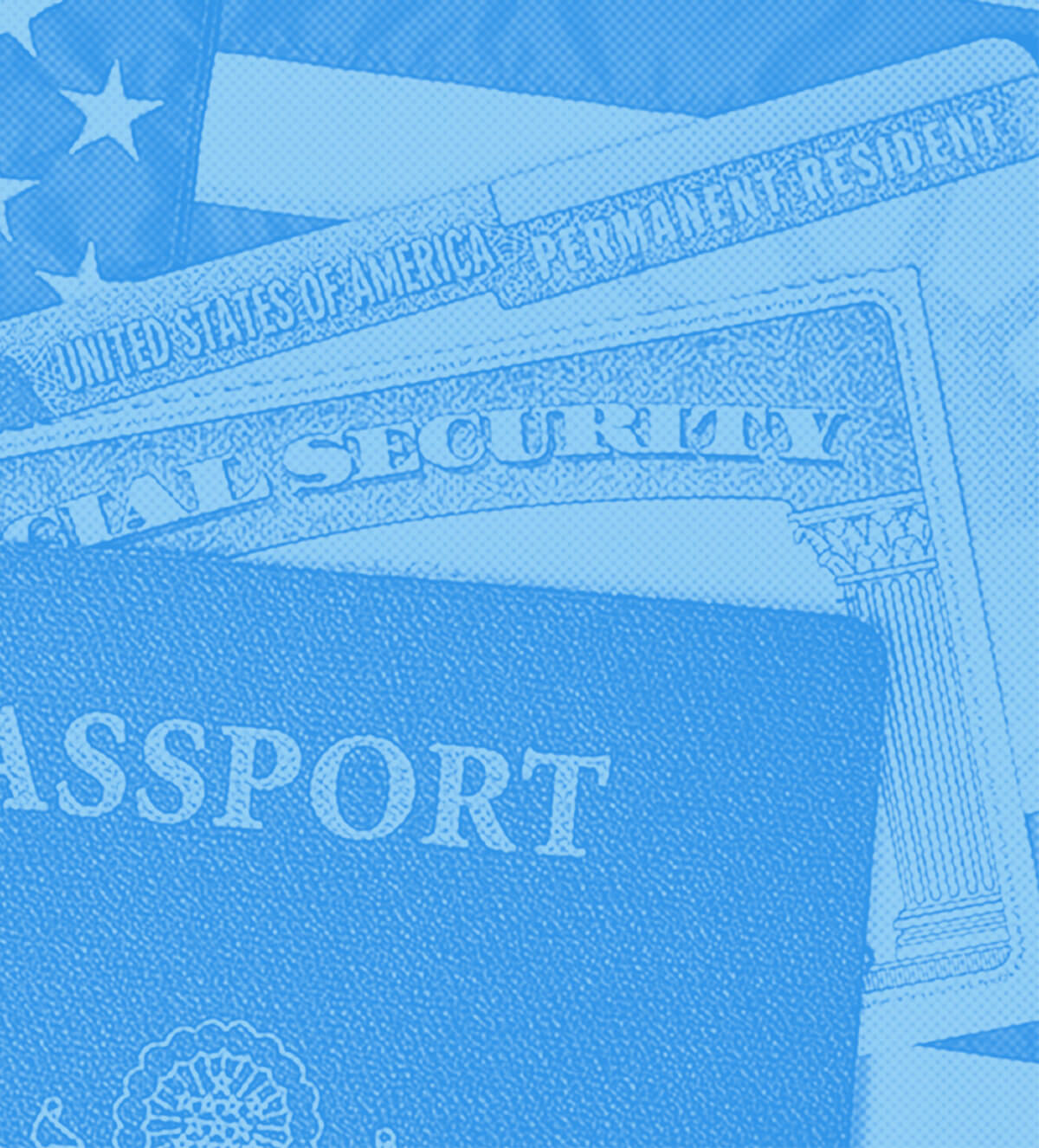
In a move that could have major implications for birthright citizenship in the U.S., President Trump is citing a little-known 1884 Supreme Court ruling against a Native American man named John Elk who was denied the right to vote in Omaha, Nebraska. Trump hopes to use this historical precedent to limit who can claim American citizenship through birth on U.S. soil.
Why it matters
Birthright citizenship, which grants citizenship to anyone born in the United States regardless of their parents' immigration status, has been a cornerstone of American law for over a century. However, Trump has long sought to restrict this policy, arguing it encourages 'anchor babies' and illegal immigration. By invoking the Elk v. Wilkins case, the president aims to undermine the legal foundation of birthright citizenship.
The details
In the 1884 Elk v. Wilkins case, the Supreme Court ruled that John Elk, a Native American man, was not a U.S. citizen and therefore could not vote, even though he was born in the United States. The court determined that Elk, as a member of a tribal nation, was not 'subject to the jurisdiction' of the U.S. government. Trump now hopes to apply this same logic to the children of undocumented immigrants, arguing they too are not 'subject to the jurisdiction' of the United States.
- On April 5, 1880, Omaha election official Charles Wilkins refused to register John Elk to vote, citing his Native American status.
- In 1884, the Supreme Court ruled against Elk in the case of Elk v. Wilkins.
The players
John Elk
A Native American man who was denied the right to vote in Omaha, Nebraska in 1880 on the grounds that he was not a U.S. citizen.
Charles Wilkins
An Omaha election official who refused to register John Elk to vote in 1880 because of his Native American status.
Donald Trump
The current President of the United States who is looking to use the Elk v. Wilkins case to limit birthright citizenship in the U.S.
What they’re saying
“The children of subjects of any foreign government born within the domain of that government, are as a general rule subjects of that government, and entitled to its protection.”
— Supreme Court
What’s next
Trump is expected to make a formal announcement about his plans to limit birthright citizenship in the coming weeks, setting up a potential legal battle over one of the most fundamental tenets of American citizenship.
The takeaway
Trump's invocation of the obscure Elk v. Wilkins case from 1884 represents a controversial and legally questionable attempt to undermine birthright citizenship, a bedrock principle of American law for over a century. This move could have far-reaching implications for immigration and citizenship policies in the United States.
Omaha top stories


Omaha events
Mar. 29, 2026
Six (Touring)
Mar. 29, 2026
Six (Touring)