- Today
- Holidays
- Birthdays
- Reminders
- Cities
- Atlanta
- Austin
- Baltimore
- Berwyn
- Beverly Hills
- Birmingham
- Boston
- Brooklyn
- Buffalo
- Charlotte
- Chicago
- Cincinnati
- Cleveland
- Columbus
- Dallas
- Denver
- Detroit
- Fort Worth
- Houston
- Indianapolis
- Knoxville
- Las Vegas
- Los Angeles
- Louisville
- Madison
- Memphis
- Miami
- Milwaukee
- Minneapolis
- Nashville
- New Orleans
- New York
- Omaha
- Orlando
- Philadelphia
- Phoenix
- Pittsburgh
- Portland
- Raleigh
- Richmond
- Rutherford
- Sacramento
- Salt Lake City
- San Antonio
- San Diego
- San Francisco
- San Jose
- Seattle
- Tampa
- Tucson
- Washington
Morrill Today
By the People, for the People
Experts warn of brutal wildfire season ahead
Unprecedented March heat and low snowpack fuel early, intense blazes across the American heartland
Apr. 1, 2026 at 3:01pm
Got story updates? Submit your updates here. ›
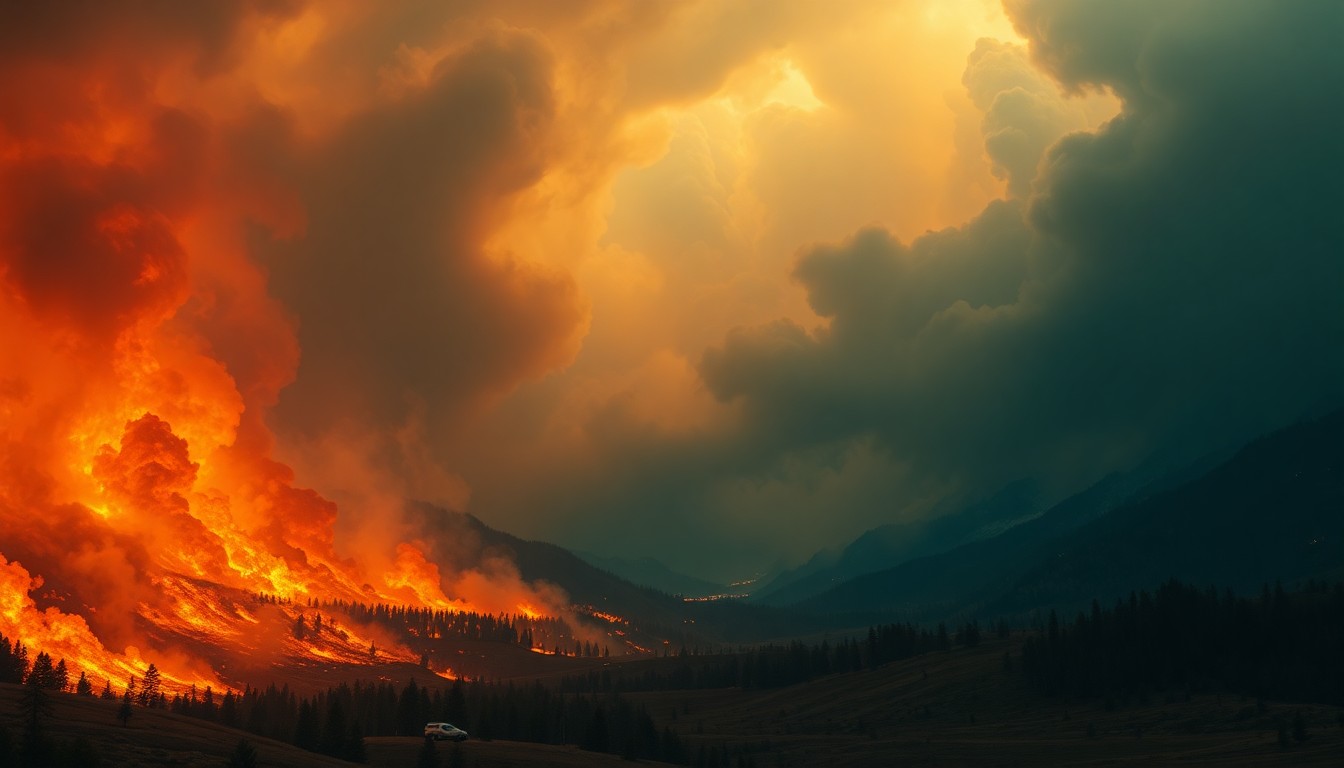 As climate change fuels an unprecedented wave of early, intense wildfires, the traditional fire season has fundamentally changed, stretching federal resources and demanding new prevention strategies.Morrill Today
A historic wave of wildfires has already scorched hundreds of thousands of acres across Nebraska, Colorado, and Wyoming, shattering state records and alarming experts about the months ahead. Fueled by a perfect storm of climatic shifts, including record-breaking March heat and historically low snowpack, the fires are flaring up weeks earlier than normal and moving at an unprecedented pace, effectively expanding the traditional wildfire frontier.
Why it matters
The early and intense nature of these wildfires is a troubling sign of the growing threat posed by climate change, as rising temperatures, drought, and shifting weather patterns create the conditions for more frequent and destructive blazes. With federal resources already stretched thin, the crisis highlights the need for more robust prevention and response strategies to protect vulnerable communities.
The details
By late March, the Morrill Fire in Nebraska had consumed 643,000 acres in a single week, shattering the state's previous annual record. Temperatures in Flagstaff, Arizona reached a record 84 degrees in mid-March, while vast stretches of grasslands across the region have turned into a tinderbox due to the lack of winter moisture. Blazes are now flaring up simultaneously in multiple states, with some fires moving hundreds of thousands of acres in a single day.
- The Morrill Fire in Nebraska consumed 643,000 acres in a single week by late March 2026.
- Temperatures in Flagstaff, Arizona reached a record 84 degrees in mid-March 2026.
The players
Morrill Fire
A record-breaking wildfire that consumed 643,000 acres in Nebraska in a single week by late March 2026.
What’s next
Federal resources are already being stretched to their breaking point, and experts warn that the traditional fire season has not just started early, but has fundamentally changed, requiring new prevention and response strategies to protect vulnerable communities.
The takeaway
The early and intense nature of these wildfires is a troubling sign of the growing threat posed by climate change, as rising temperatures, drought, and shifting weather patterns create the conditions for more frequent and destructive blazes across the American heartland.