- Today
- Holidays
- Birthdays
- Reminders
- Cities
- Atlanta
- Austin
- Baltimore
- Berwyn
- Beverly Hills
- Birmingham
- Boston
- Brooklyn
- Buffalo
- Charlotte
- Chicago
- Cincinnati
- Cleveland
- Columbus
- Dallas
- Denver
- Detroit
- Fort Worth
- Houston
- Indianapolis
- Knoxville
- Las Vegas
- Los Angeles
- Louisville
- Madison
- Memphis
- Miami
- Milwaukee
- Minneapolis
- Nashville
- New Orleans
- New York
- Omaha
- Orlando
- Philadelphia
- Phoenix
- Pittsburgh
- Portland
- Raleigh
- Richmond
- Rutherford
- Sacramento
- Salt Lake City
- San Antonio
- San Diego
- San Francisco
- San Jose
- Seattle
- Tampa
- Tucson
- Washington
University of Nebraska Engineer Aims to Build 'Bridge' For Quantum Superhighways
Husker researcher secures $876,663 grant to develop technology connecting isolated quantum computers into a functional network.
Apr. 7, 2026 at 10:57am
Got story updates? Submit your updates here. ›
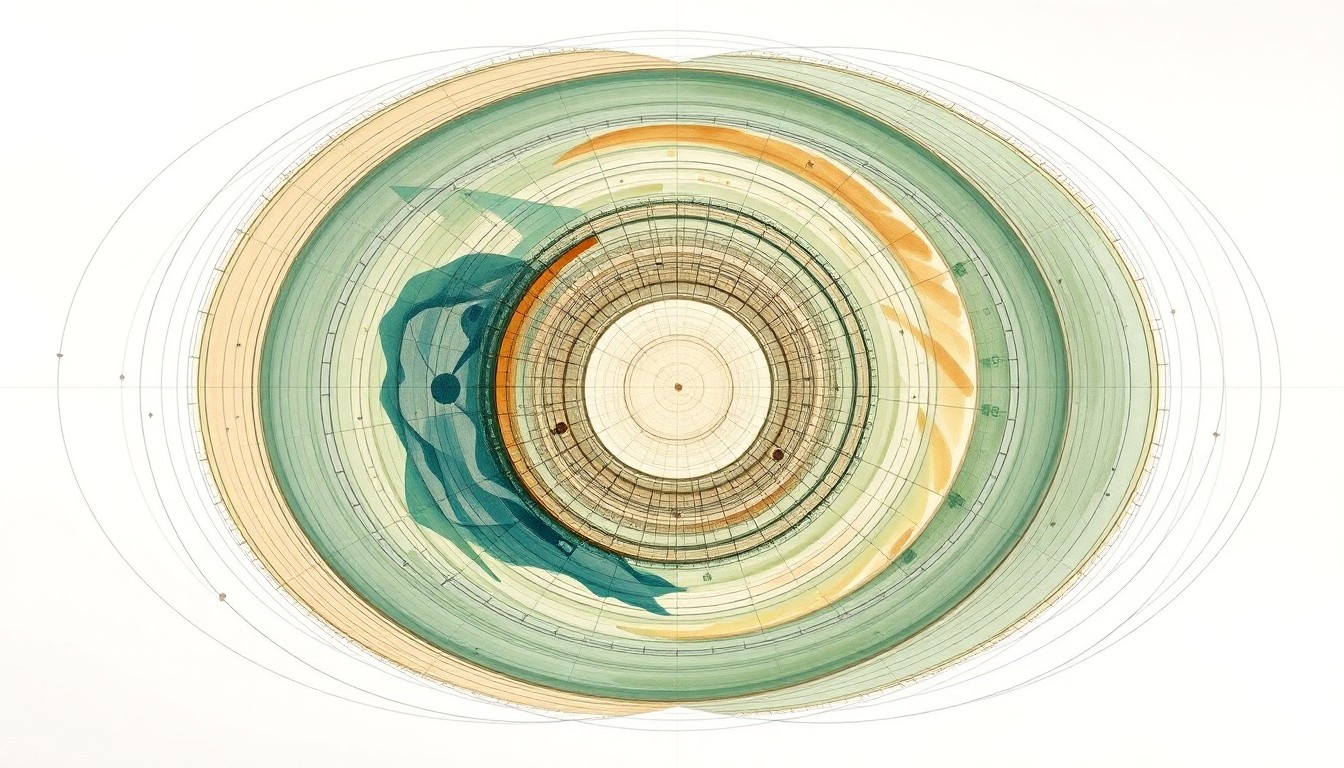 Atomically thin materials like graphene could enable the 'quantum superhighways' needed to connect isolated quantum computers into a functional network.Lincoln Today
A University of Nebraska–Lincoln researcher has secured a five-year, $876,663 award from the U.S. Department of Energy to develop technology that could connect isolated quantum computers into a functional network. The project targets bridging the frequency mismatch between microwave-based quantum processors and optical communication systems used for long-distance data transfer, using atomically thin materials such as graphene to build devices that convert signals between computing and communication systems.
Why it matters
Connecting isolated quantum computers into a functional network is a critical engineering challenge that has held back the development of true quantum computing capabilities. Solving this problem could enable scalable quantum networks analogous to the early internet, unlocking the full potential of quantum technology.
The details
The research will use atomically thin materials such as graphene to build devices that convert signals between microwave-based quantum computing systems and optical communication systems used for long-distance data transfer. These 'quantum grade mechanical resonators and waveguides' would serve as the missing link to enable quantum computers to communicate with each other over long distances, paving the way for a functional quantum network.
- The five-year, $876,663 grant runs through August 2030.
The players
Yanan (Laura) Wang
An assistant professor of electrical and computer engineering at the University of Nebraska–Lincoln who is leading the research project.
U.S. Department of Energy
The government agency that awarded the five-year, $876,663 grant to the University of Nebraska–Lincoln researcher.
What they’re saying
“It's like building a network of high-capacity power plants without the transmission lines needed to connect them into a grid.”
— Yanan (Laura) Wang, Assistant Professor of Electrical and Computer Engineering, University of Nebraska–Lincoln
“The computation unit and the communication unit have this huge frequency mismatch. That's why it requires a bridge to transfer the information between those two.”
— Yanan (Laura) Wang, Assistant Professor of Electrical and Computer Engineering, University of Nebraska–Lincoln
What’s next
The research project will continue over the next five years, with the goal of developing devices that can connect isolated quantum computers into a functional network.
The takeaway
This research represents a critical step towards realizing the full potential of quantum computing by enabling quantum computers to communicate and operate as an interconnected network, much like the early days of the internet. Solving this engineering challenge could unlock new quantum applications and accelerate the development of practical quantum technologies.
Lincoln top stories


Lincoln events

Apr. 9, 2026
Journey

Apr. 10, 2026
Backpack in Black