- Today
- Holidays
- Birthdays
- Reminders
- Cities
- Atlanta
- Austin
- Baltimore
- Berwyn
- Beverly Hills
- Birmingham
- Boston
- Brooklyn
- Buffalo
- Charlotte
- Chicago
- Cincinnati
- Cleveland
- Columbus
- Dallas
- Denver
- Detroit
- Fort Worth
- Houston
- Indianapolis
- Knoxville
- Las Vegas
- Los Angeles
- Louisville
- Madison
- Memphis
- Miami
- Milwaukee
- Minneapolis
- Nashville
- New Orleans
- New York
- Omaha
- Orlando
- Philadelphia
- Phoenix
- Pittsburgh
- Portland
- Raleigh
- Richmond
- Rutherford
- Sacramento
- Salt Lake City
- San Antonio
- San Diego
- San Francisco
- San Jose
- Seattle
- Tampa
- Tucson
- Washington
North Carolina's Drought Crisis Deepens with No Relief in Sight
Farmers brace for impact as stream levels hit all-time lows and water conservation measures loom
Apr. 10, 2026 at 10:20am
Got story updates? Submit your updates here. ›
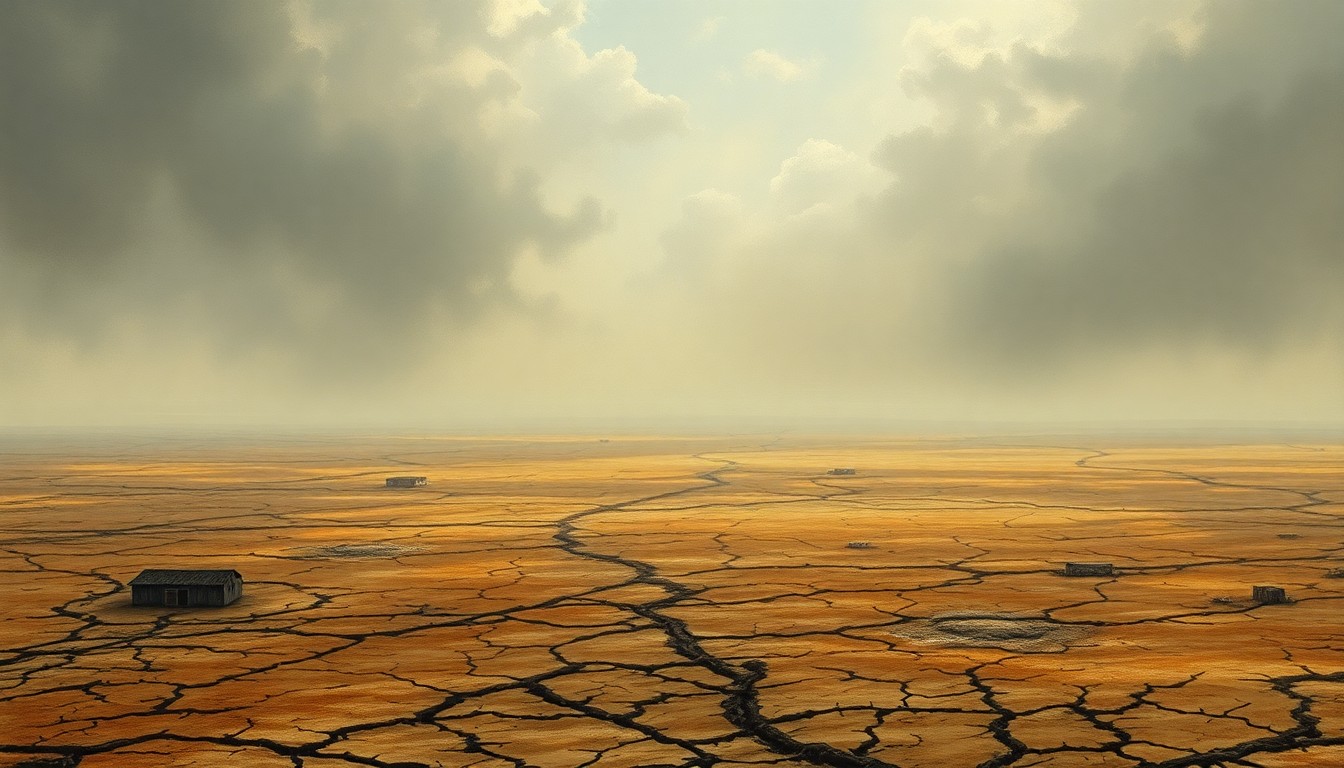 As North Carolina's drought crisis deepens, the state's agricultural heartland faces an uncertain future under the relentless grip of a drying climate.Today in Raleigh
North Carolina is facing a worsening statewide drought, with the entire state now classified as being in drought conditions, many areas reaching severe or extreme levels. Stream levels have dropped to record lows, and weather forecasts offer no hope for rain in the near future as the state enters its main planting season. The drought is adding to the challenges already facing the state's $100 billion agricultural sector, which is grappling with high production costs and low commodity prices.
Why it matters
The severe drought conditions threaten the state's water supplies and agricultural productivity, with municipalities already taking water conservation measures and farmers forced to reconsider their crop plans. The timing of the drought could have significant impacts on key crops like corn and soybeans.
The details
North Carolina's Drought Management Advisory Council has reported that the state's water supplies have not been adequately replenished this winter, leading to the current crisis. Streams monitored by the U.S. Geological Survey have reached all-time low levels, and a statewide burn ban has been in effect for nearly two weeks. Municipalities like the town of Nashville have asked residents to begin voluntarily conserving water, including by limiting lawn watering.
- In March, North Carolina had its fifth-lowest rainfall total on record.
- The statewide drought has been ongoing for several months, with conditions continuing to deteriorate.
The players
Klaus Albertin
Chair of the North Carolina Drought Management Advisory Council.
Jeffrey Dorfman
Professor in the Department of Agricultural and Resource Economics at North Carolina State University.
Seunghyun Lee
Researcher at North Carolina State University who has analyzed the impacts of weather on crop yields.
What they’re saying
“Winter is usually the time when North Carolina's water supplies get replenished due to good rains and low-water demand, but those good rains did not happen this winter.”
— Klaus Albertin, Chair, North Carolina Drought Management Advisory Council
“The state's drought 'is just adding additional woe to a year when farmers were already looking at a bleak outlook thanks to low commodity prices and high production costs'.”
— Jeffrey Dorfman, Professor, North Carolina State University Department of Agricultural and Resource Economics
What’s next
Forecasters expect temperatures to climb into the 80s this weekend and potentially reach 90 degrees Fahrenheit by next Wednesday, further exacerbating drought conditions. Municipalities will likely continue to monitor water supplies and implement additional conservation measures if the dry spell persists.
The takeaway
North Carolina's prolonged drought crisis underscores the growing vulnerability of the state's agricultural sector and water resources to the impacts of climate change. Farmers and communities will need to adapt their practices and prepare for more frequent and severe droughts in the years ahead.
Raleigh top stories


Raleigh events


Apr. 11, 2026
Southern Soul Explosion Tour
Apr. 11, 2026
North Carolina Symphony - Mozart "Great" Mass