- Today
- Holidays
- Birthdays
- Reminders
- Cities
- Atlanta
- Austin
- Baltimore
- Berwyn
- Beverly Hills
- Birmingham
- Boston
- Brooklyn
- Buffalo
- Charlotte
- Chicago
- Cincinnati
- Cleveland
- Columbus
- Dallas
- Denver
- Detroit
- Fort Worth
- Houston
- Indianapolis
- Knoxville
- Las Vegas
- Los Angeles
- Louisville
- Madison
- Memphis
- Miami
- Milwaukee
- Minneapolis
- Nashville
- New Orleans
- New York
- Omaha
- Orlando
- Philadelphia
- Phoenix
- Pittsburgh
- Portland
- Raleigh
- Richmond
- Rutherford
- Sacramento
- Salt Lake City
- San Antonio
- San Diego
- San Francisco
- San Jose
- Seattle
- Tampa
- Tucson
- Washington
Wildfires Rage Across Western North Carolina Mountains
Crews battle multiple blazes, leading to road and trail closures in Nantahala and Pisgah National Forests
Apr. 3, 2026 at 9:05am
Got story updates? Submit your updates here. ›
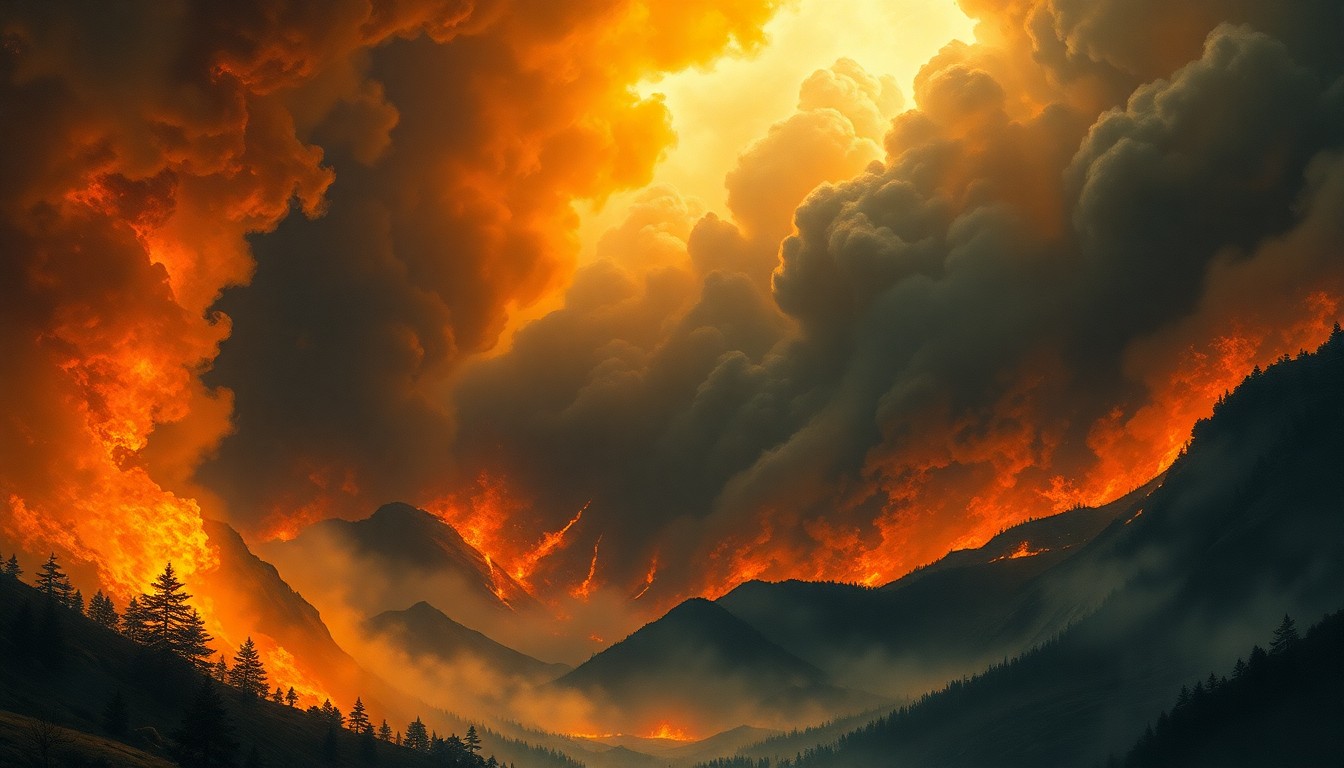 The towering flames and billowing smoke of a wildfire in the North Carolina mountains serve as a humbling reminder of the raw power and unpredictability of nature.Today in Raleigh
Multiple wildfires continue to burn in the North Carolina mountains, with two active fires in the Pisgah National Forest and one 90% contained in the Nantahala National Forest. The fires have led to road and trail closures for public safety, and the North Carolina Forest Service has issued a statewide burn ban after more than 100 new fire ignitions since the ban went into effect.
Why it matters
The wildfires in western North Carolina's national forests pose a serious threat to public safety and the local environment. The blazes have forced road and trail closures, disrupting travel and recreation in the region. The statewide burn ban highlights the heightened fire risk due to dry conditions, underscoring the need for vigilance and caution to prevent further ignitions.
The details
The Jumping Branch wildfire, a 420-acre blaze, is now 80% contained after successful suppression efforts by firefighters. Crews are using drip torches and unmanned aerial systems to conduct controlled burns and keep the fire's intensity low. The 370-acre Poplar wildfire is 90% contained, but has impacted the Appalachian Trail, leading to closures. Smoke from the fires is reducing visibility and affecting nearby communities.
- The wildfires began spreading this past weekend.
- The North Carolina Forest Service issued a statewide burn ban on March 29, 2026.
- Since the burn ban, at least 114 new wildfires have started across North Carolina.
- 626 wildfires have been fought in the state since March 20, 2026.
The players
U.S. Forest Service
The federal agency responsible for managing and protecting the Nantahala and Pisgah National Forests, where the wildfires are burning.
North Carolina Forest Service
The state agency leading the firefighting efforts and issuing the statewide burn ban.
McDowell County Emergency Management
The local emergency management agency assisting in the response to the wildfires.
PG Fire & Rescue
A volunteer fire department helping to battle the blazes.
Hilary Brooke Inman
A 38-year-old individual cited for improperly discarding smoking materials, which led to the start of one of the wildfires.
What they’re saying
“The fact that we've had more than 100 new fire ignitions during a statewide ban on open burning should reinforce the sense of urgency that needs to be taken with this ban. Not a single one of the wildfires that have started since Sunday, March 29, were the result of a lightning strike or natural ignition source. That leaves most, if not all, of these ignitions as being the result of human activity, reminding us that people are the best defense against wildfire.”
— Steve Troxler, Agriculture Commissioner, North Carolina Department of Agriculture and Consumer Services
What’s next
Forest officials will continue to monitor the containment lines and patrol the fire's edge to extinguish any remaining hot spots. Temporary flight restrictions remain in place due to the poor visibility caused by smoke. Drivers and hikers are advised to exercise caution in the affected areas.
The takeaway
The ongoing wildfires in western North Carolina's national forests underscore the importance of fire prevention and preparedness, especially during periods of dry conditions. The statewide burn ban and the high number of human-caused ignitions highlight the need for increased public awareness and vigilance to protect these valuable natural resources.
Raleigh top stories


Raleigh events


Apr. 3, 2026
Zara Larsson: Midnight Sun Tour 2026
Apr. 3, 2026
Don Lemon & DL Hughley: DL+DL 'Anything Goes'