- Today
- Holidays
- Birthdays
- Reminders
- Cities
- Atlanta
- Austin
- Baltimore
- Berwyn
- Beverly Hills
- Birmingham
- Boston
- Brooklyn
- Buffalo
- Charlotte
- Chicago
- Cincinnati
- Cleveland
- Columbus
- Dallas
- Denver
- Detroit
- Fort Worth
- Houston
- Indianapolis
- Knoxville
- Las Vegas
- Los Angeles
- Louisville
- Madison
- Memphis
- Miami
- Milwaukee
- Minneapolis
- Nashville
- New Orleans
- New York
- Omaha
- Orlando
- Philadelphia
- Phoenix
- Pittsburgh
- Portland
- Raleigh
- Richmond
- Rutherford
- Sacramento
- Salt Lake City
- San Antonio
- San Diego
- San Francisco
- San Jose
- Seattle
- Tampa
- Tucson
- Washington
Record-Breaking Heat Wave Scorches Western US
Meteorologists warn the heat could move toward North Carolina in early April
Mar. 24, 2026 at 8:40am
Got story updates? Submit your updates here. ›
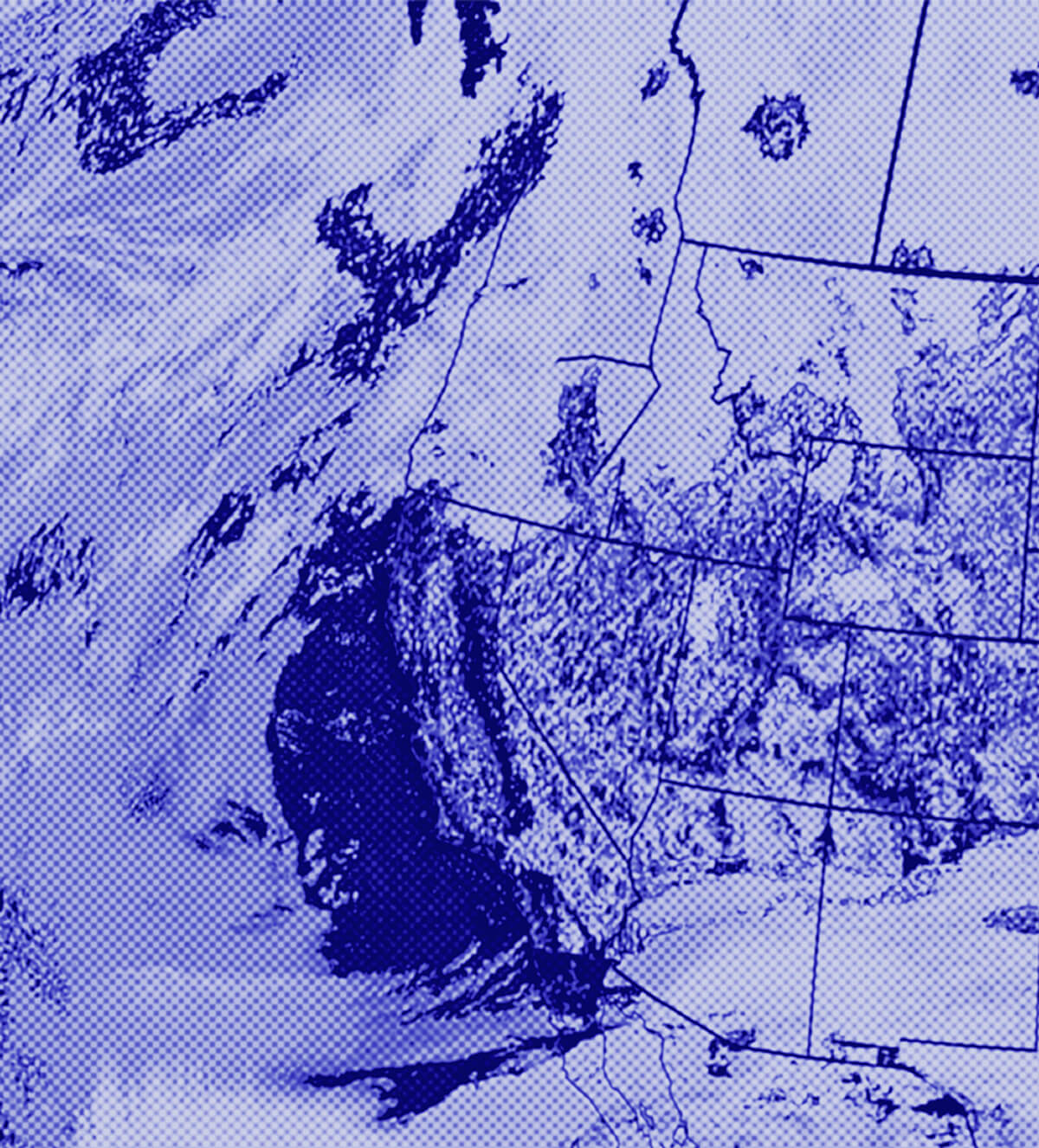
The Western United States has been experiencing a historic heat wave, with several major cities shattering monthly temperature records for March. Temperatures have soared well above 100°F, including a rare 105°F reading in Phoenix, Arizona. Meteorologists attribute the extreme heat to a strong high-pressure ridge that has been parked over the region, causing the air to sink, compress, and warm. While it's unlikely North Carolina will see triple-digit temperatures, the meteorologists warn the root cause of the heat wave could move eastward in the first week of April, potentially bringing above-average warmth and the risk of severe weather to the region.
Why it matters
The record-breaking heat wave in the Western US is a concerning sign of the impacts of climate change, as extreme weather events become more frequent and severe. While North Carolina may avoid the triple-digit temperatures, the potential for above-average warmth and severe storms in early April could disrupt daily life, impact agriculture, and pose risks to public health and safety.
The details
Several major cities in the Western US have shattered monthly temperature records for March over the past week. Phoenix, Arizona has hit 105°F on multiple days, a temperature the city had never before recorded in March. Other cities like Salt Lake City have also seen record low snowpack this winter, exacerbating the heat wave's impact. Meteorologists attribute the extreme heat to a strong high-pressure ridge that has been parked over the region, causing the air to sink, compress, and warm.
- Between March 17 and March 22, several major Western US cities broke monthly temperature records.
- Phoenix, Arizona has eclipsed 100°F for six straight days, including three days at 105°F - temperatures the city had never before recorded in March.
- NOAA's Climate Prediction Center's 8-to-14 day temperature outlook from March 31 to April 6, 2026 shows a high likelihood of above-average temperatures across the eastern half of the US.
The players
Phoenix, Arizona
A major city in the desert Southwest that has experienced record-breaking heat, including temperatures of 105°F in March - a level never before seen in that month.
Salt Lake City
A city that has seen record low snowpack this past winter, exacerbating the impacts of the heat wave.
NOAA's Climate Prediction Center
The federal agency that produces long-range weather forecasts and outlooks, including the 8-to-14 day temperature outlook showing the potential for above-average warmth in early April.
What they’re saying
“While this fuels the debate surrounding anthropogenic climate change, we'll focus more on the immediate cause.”
— WRAL Meteorologist
What’s next
Meteorologists will continue to monitor the progression of the heat wave and its potential impacts as it moves eastward. The first week of April will be a key period to watch for the possibility of above-average warmth and severe weather in North Carolina and the broader eastern US.
The takeaway
The record-breaking heat wave in the Western US is a stark reminder of the growing threat of climate change, as extreme weather events become more frequent and severe. While North Carolina may avoid the worst of the heat, the potential for above-average warmth and severe storms in early April underscores the need for communities to be prepared and resilient in the face of a changing climate.
Raleigh top stories


Raleigh events

Mar. 28, 2026
North Carolina Symphony - Star Wars & More!
Mar. 28, 2026
Carolina Ballet Presents Snow White
Mar. 28, 2026
Carolina Ballet Presents Snow White