- Today
- Holidays
- Birthdays
- Reminders
- Cities
- Atlanta
- Austin
- Baltimore
- Berwyn
- Beverly Hills
- Birmingham
- Boston
- Brooklyn
- Buffalo
- Charlotte
- Chicago
- Cincinnati
- Cleveland
- Columbus
- Dallas
- Denver
- Detroit
- Fort Worth
- Houston
- Indianapolis
- Knoxville
- Las Vegas
- Los Angeles
- Louisville
- Madison
- Memphis
- Miami
- Milwaukee
- Minneapolis
- Nashville
- New Orleans
- New York
- Omaha
- Orlando
- Philadelphia
- Phoenix
- Pittsburgh
- Portland
- Raleigh
- Richmond
- Rutherford
- Sacramento
- Salt Lake City
- San Antonio
- San Diego
- San Francisco
- San Jose
- Seattle
- Tampa
- Tucson
- Washington
Court Ruling Fails to Undo Vaccine Mistrust Stoked by Trump Administration
Pediatricians worry the damage has already been done despite the reversal of the administration's vaccine guidance changes.
Mar. 17, 2026 at 4:05pm
Got story updates? Submit your updates here. ›
A federal court ruling halting the Trump administration's changes to vaccine recommendations has done little to address the confusion and mistrust that those changes have already stoked among parents, according to pediatricians and researchers. The administration's actions, including removing shots from the routine childhood vaccination schedule and appointing vaccine critics to a federal advisory panel, have given credence to unfounded fears about vaccine safety and made it harder for parents to know who to trust.
Why it matters
The decline in trust and confidence in vaccines, even among parents who were previously supportive, could have significant consequences for public health, as lower vaccination rates can lead to the spread of preventable diseases. Reversing this trend will require doctors and public health officials to empathize with concerned parents, address their worries, and rebuild trust in the medical system.
The details
Over the past year, pediatricians have reported a surge in parents who might once have been persuaded to accept vaccines for their children but are now staunchly opposed, as well as parents who were fully on board but now are unsure. The administration's actions, including removing shots against six diseases from the routine childhood vaccination schedule and appointing vaccine critics to a federal advisory panel on immunizations, have given credence to unfounded fears about the safety of vaccines and made it harder for parents to know who to trust.
- The federal court ruling halting the Trump administration's changes to vaccine recommendations was issued on Monday, March 16, 2026.
- The rate of kindergartners with complete records for the measles vaccine fell from around 95% before the pandemic to under 93% in 2024, less than the threshold needed for herd immunity.
The players
Michael Osterholm
Director of the Center for Infectious Disease Research and Policy at the University of Minnesota.
Jason Schwartz
Associate professor of health policy at the Yale School of Public Health.
Suresh Nagappan
A pediatrician in Greensboro, North Carolina.
Hannah and Nathan Schwartz
New parents in St. Paul, Minnesota.
Megan Ranney
An emergency physician and dean of the Yale School of Public Health.
What they’re saying
“No one is under the illusion that this puts the genie back in the bottle. The damage has been done.”
— Michael Osterholm, Director of the Center for Infectious Disease Research and Policy at the University of Minnesota
“When you as a pediatrician tell them, 'Hey, this is recommended by the A.A.P.' or 'this is recommended by the C.D.C.,' that used to have some cachet. But now, it is generally unhelpful and can even make parents more mistrustful.”
— Suresh Nagappan, Pediatrician
“But then, who's actually making the decisions about these things? A judge isn't a doctor, a judge isn't a clinical researcher, so is our whole public health system just based on politicians' opinions?”
— Hannah Schwartz
What’s next
The Department of Health and Human Services has signaled that it plans to appeal the court's decision to reinstate the previous, more expansive vaccine schedule.
The takeaway
Rebuilding trust in vaccines and the public health system will require a sustained effort by doctors, public health officials, and policymakers to empathize with concerned parents, address their worries, and provide transparent, reliable information. The damage done by the Trump administration's actions may take years to undo.
Greensboro top stories

Greensboro events
Apr. 8, 2026
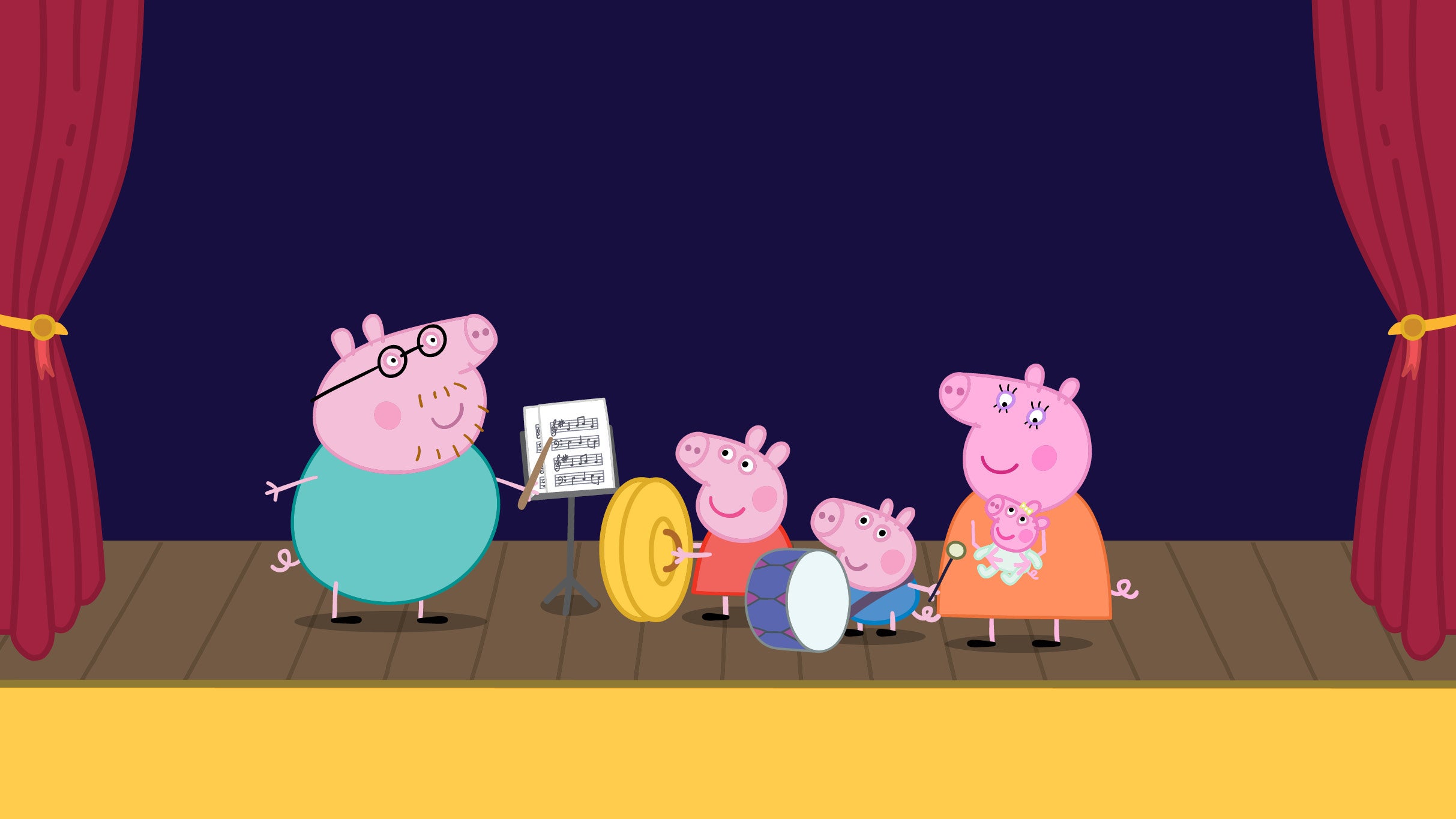
Peppa Pig: My First Concert