- Today
- Holidays
- Birthdays
- Reminders
- Cities
- Atlanta
- Austin
- Baltimore
- Berwyn
- Beverly Hills
- Birmingham
- Boston
- Brooklyn
- Buffalo
- Charlotte
- Chicago
- Cincinnati
- Cleveland
- Columbus
- Dallas
- Denver
- Detroit
- Fort Worth
- Houston
- Indianapolis
- Knoxville
- Las Vegas
- Los Angeles
- Louisville
- Madison
- Memphis
- Miami
- Milwaukee
- Minneapolis
- Nashville
- New Orleans
- New York
- Omaha
- Orlando
- Philadelphia
- Phoenix
- Pittsburgh
- Portland
- Raleigh
- Richmond
- Rutherford
- Sacramento
- Salt Lake City
- San Antonio
- San Diego
- San Francisco
- San Jose
- Seattle
- Tampa
- Tucson
- Washington
American Airlines Reassigns Confirmed Business Class Seats
Couple's near-miss highlights fragility of digital seat assignments
Apr. 13, 2026 at 3:43am
Got story updates? Submit your updates here. ›
 A conceptual illustration capturing the fragility of confirmed airline seat assignments in the modern travel ecosystem.Charlotte Today
A couple flying American Airlines from Charlotte to Frankfurt believed they had confirmed business class seats, but as they approached the jet bridge, the gate screen showed their seats were being reassigned to an employee standby passenger. Fortunately, their early arrival and presence at the gate allowed the agent to reverse the reassignment and restore their seats, but the incident reveals systemic issues with how airlines synchronize multiple software systems for ticketing, check-in, upgrades, and standby lists.
Why it matters
This episode spotlights a broader tension between the pressure to optimize every seat for operating efficiency versus the risk of eroding passenger trust. If a traveler has paid for a guaranteed space in a premium cabin, the idea that their seat isn't truly secure until they're seated on the aircraft can be unsettling. A simple administrative error can cascade into a larger sense of vulnerability among travelers.
The details
The core issue is not a single malfunction but a systemic fragility in how airlines synchronize multiple software stacks. In theory, these systems should reflect a passenger's status in real time, but in practice, they don't always align, and a gate agent's screen may tell a different story from the passenger's boarding pass. This discrepancy opens the door to seat reassignment mistakes or real misallocations that leave revenue passengers stranded while employee standbys squeeze into the last-minute slots.
- The couple were flying from Charlotte to Frankfurt on American Airlines.
The players
American Airlines
A major U.S. airline that operates flights to destinations around the world.
Charlotte, North Carolina
The city where the incident occurred, as the couple was departing on a flight from Charlotte to Frankfurt.
What’s next
Airlines should consider explicit, real-time verification steps that synchronize with their check-in systems, and they should make it crystal clear to gate agents what to do if a passenger with a confirmed seat is flagged as a potential no-show. Clear up-front communication can prevent the anxiety of 'is my seat really mine?' and reduce the likelihood of last-minute reassignments.
The takeaway
This incident isn't just about one couple's scare at the gate. It's a microcosm of how modern travel ecosystems balance efficiency with fairness, automation with accountability, and revenue optimization with consumer trust. The practical takeaway for travelers is to not rely on a single digital status, and for airlines, the takeaway is to invest in end-to-end visibility across ticketing and boarding ecosystems to prevent wrongful reassignments.
Charlotte top stories



Charlotte events
Apr. 14, 2026
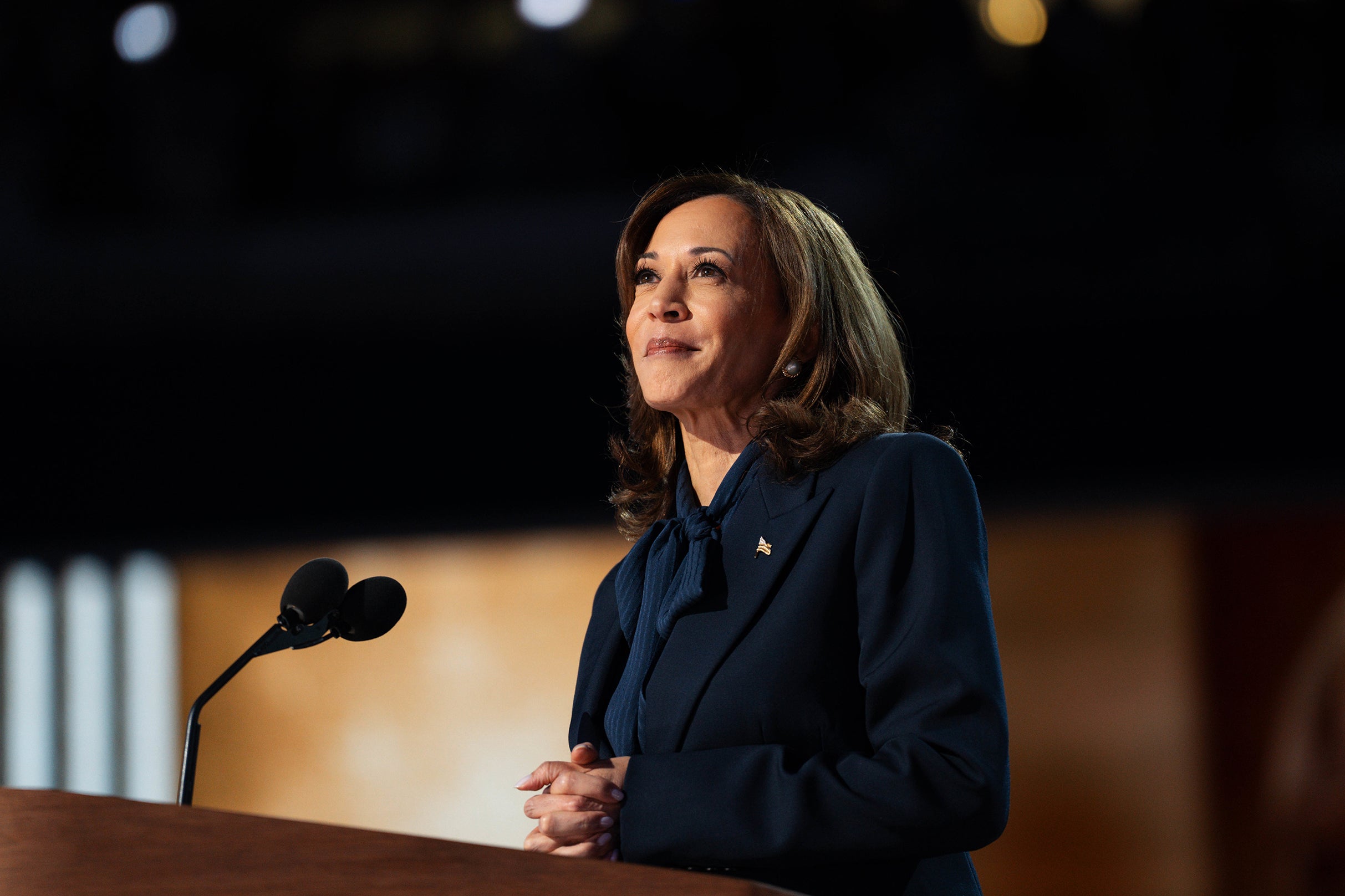
A Conversation with Kamala Harris
Apr. 14, 2026
Women of Americana
Apr. 14, 2026
Bad Suns: ACCELERATOUR USA 2026