- Today
- Holidays
- Birthdays
- Reminders
- Cities
- Atlanta
- Austin
- Baltimore
- Berwyn
- Beverly Hills
- Birmingham
- Boston
- Brooklyn
- Buffalo
- Charlotte
- Chicago
- Cincinnati
- Cleveland
- Columbus
- Dallas
- Denver
- Detroit
- Fort Worth
- Houston
- Indianapolis
- Knoxville
- Las Vegas
- Los Angeles
- Louisville
- Madison
- Memphis
- Miami
- Milwaukee
- Minneapolis
- Nashville
- New Orleans
- New York
- Omaha
- Orlando
- Philadelphia
- Phoenix
- Pittsburgh
- Portland
- Raleigh
- Richmond
- Rutherford
- Sacramento
- Salt Lake City
- San Antonio
- San Diego
- San Francisco
- San Jose
- Seattle
- Tampa
- Tucson
- Washington
Midlife Women Struggle with 'Email Apnea' and Shallow Breathing at Work
Screen apnea, or the unconscious holding of breath while using digital devices, can have serious short and long-term health consequences.
Feb. 23, 2026 at 5:34pm
Got story updates? Submit your updates here. ›
Screen or 'email apnea' is a phenomenon where people unconsciously hold their breath or breathe more shallowly while looking at their screens to answer emails or texts. This stress response is triggered by the brain interpreting the increased cognitive load as a threat. Midlife women may be especially prone to email apnea due to heightened anxiety levels from factors like menopause and busy schedules. The short-term impacts include tension, brain fog and poor concentration, while long-term effects can weaken the immune system and contribute to cardiovascular issues. Experts recommend taking regular breathing breaks, addressing posture and ergonomics, and practicing diaphragmatic breathing to combat email apnea.
Why it matters
Email apnea is a common but often overlooked issue that can have serious consequences for both physical and mental health, especially for midlife women who may already be dealing with heightened stress and anxiety levels. Raising awareness about this phenomenon and providing strategies to manage it is important for improving overall wellbeing.
The details
Screen or email apnea happens when someone unconsciously holds their breath or breathes more shallowly while looking at their screen to answer emails or texts. This stress response is triggered because the brain interprets the increased cognitive load as a threat, kicking the nervous system's stress response into gear. The body drops into a 'freeze and focus' pattern, causing micro-bracing in the chest and diaphragm that leads to erratic, shallow breathing. In the short term, this can cause tension, brain fog, headaches and poor concentration. Long-term, it can weaken the immune system and contribute to cardiovascular issues and mental health problems like anxiety and burnout.
- The term 'email apnea' was coined by Linda Stone in a 2008 HuffPost article.
The players
Linda Stone
The person who coined the term 'email apnea' in a 2008 HuffPost article.
Dora Kamau
The lead mindfulness and meditation teacher at Headspace who explains the phenomenon of email apnea.
Charlotte Marsh
A breath work coach and founder of Benefits Of Better Breathing who discusses the impacts of email apnea.
What they’re saying
“We might inhale and hold our breath as information comes in, but our exhale stays short and shallow.”
— Dora Kamau, Lead mindfulness and meditation teacher, Headspace
“If left unchecked, long term shallow breathing from chronic stress can weaken the immune system, contribute to cardiovascular issues, and impact mental health, leaving us feeling more anxious, less focused and disconnected from ourselves.”
— Dora Kamau, Lead mindfulness and meditation teacher, Headspace
What’s next
Experts recommend taking regular breathing breaks, addressing posture and ergonomics, and practicing diaphragmatic breathing to combat email apnea and its negative health impacts.
The takeaway
Email apnea is a common but often overlooked issue that can have serious consequences for both physical and mental health, especially for midlife women who may already be dealing with heightened stress and anxiety levels. Being aware of this phenomenon and using strategies to manage it is crucial for improving overall wellbeing.
Charlotte top stories



Charlotte events

Apr. 11, 2026
Charlotte Knights vs. Memphis Redbirds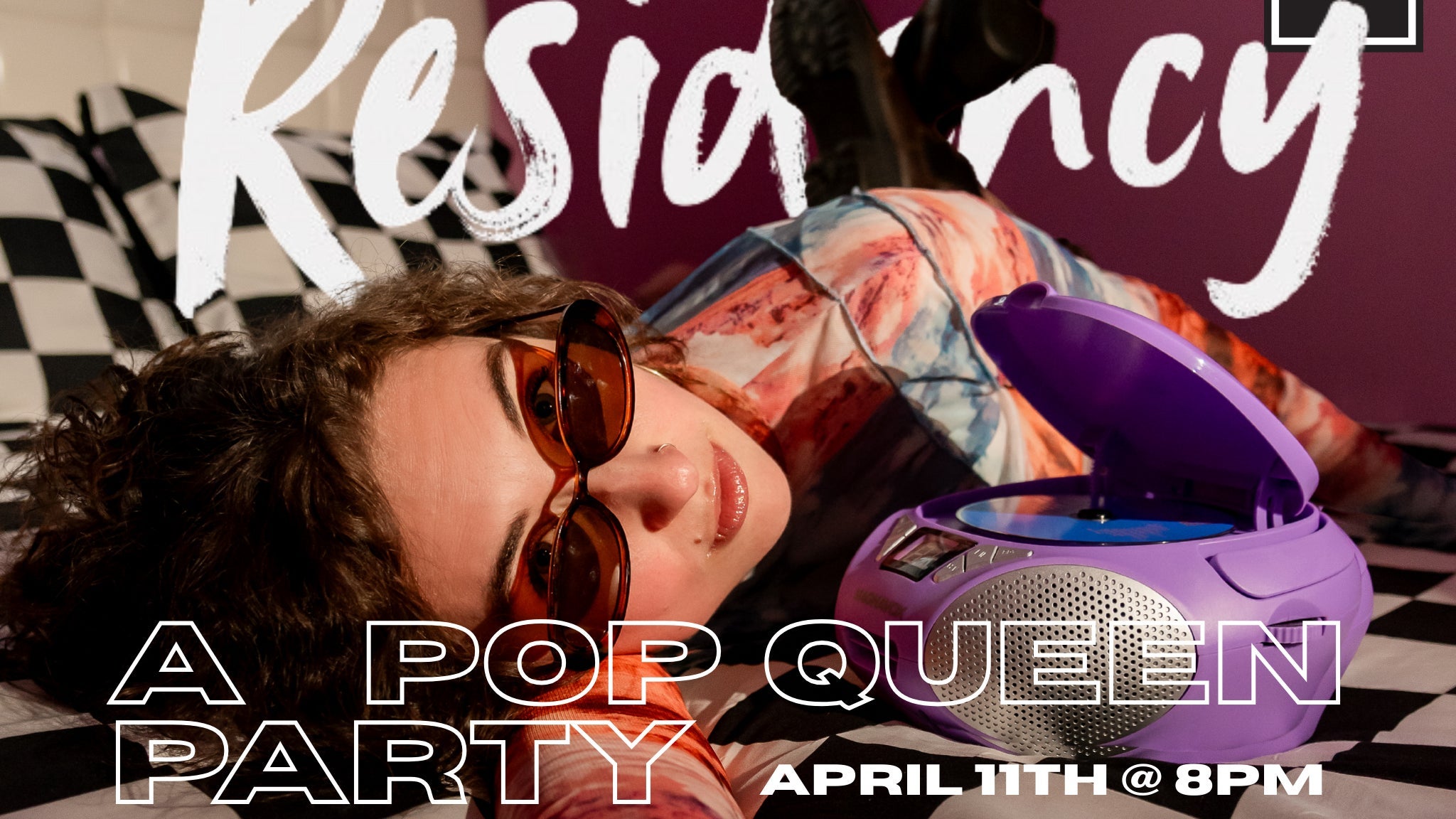
Apr. 11, 2026
Residency X the Carolina Theatre: A Pop Queen Party
Apr. 11, 2026
Nate Smith