- Today
- Holidays
- Birthdays
- Reminders
- Cities
- Atlanta
- Austin
- Baltimore
- Berwyn
- Beverly Hills
- Birmingham
- Boston
- Brooklyn
- Buffalo
- Charlotte
- Chicago
- Cincinnati
- Cleveland
- Columbus
- Dallas
- Denver
- Detroit
- Fort Worth
- Houston
- Indianapolis
- Knoxville
- Las Vegas
- Los Angeles
- Louisville
- Madison
- Memphis
- Miami
- Milwaukee
- Minneapolis
- Nashville
- New Orleans
- New York
- Omaha
- Orlando
- Philadelphia
- Phoenix
- Pittsburgh
- Portland
- Raleigh
- Richmond
- Rutherford
- Sacramento
- Salt Lake City
- San Antonio
- San Diego
- San Francisco
- San Jose
- Seattle
- Tampa
- Tucson
- Washington
EPA Takes First Step to Regulate Microplastics in Drinking Water
The agency is considering microplastics for future regulation, but it has a long way to go before requiring public water systems to remove them.
Apr. 2, 2026 at 9:34pm
Got story updates? Submit your updates here. ›
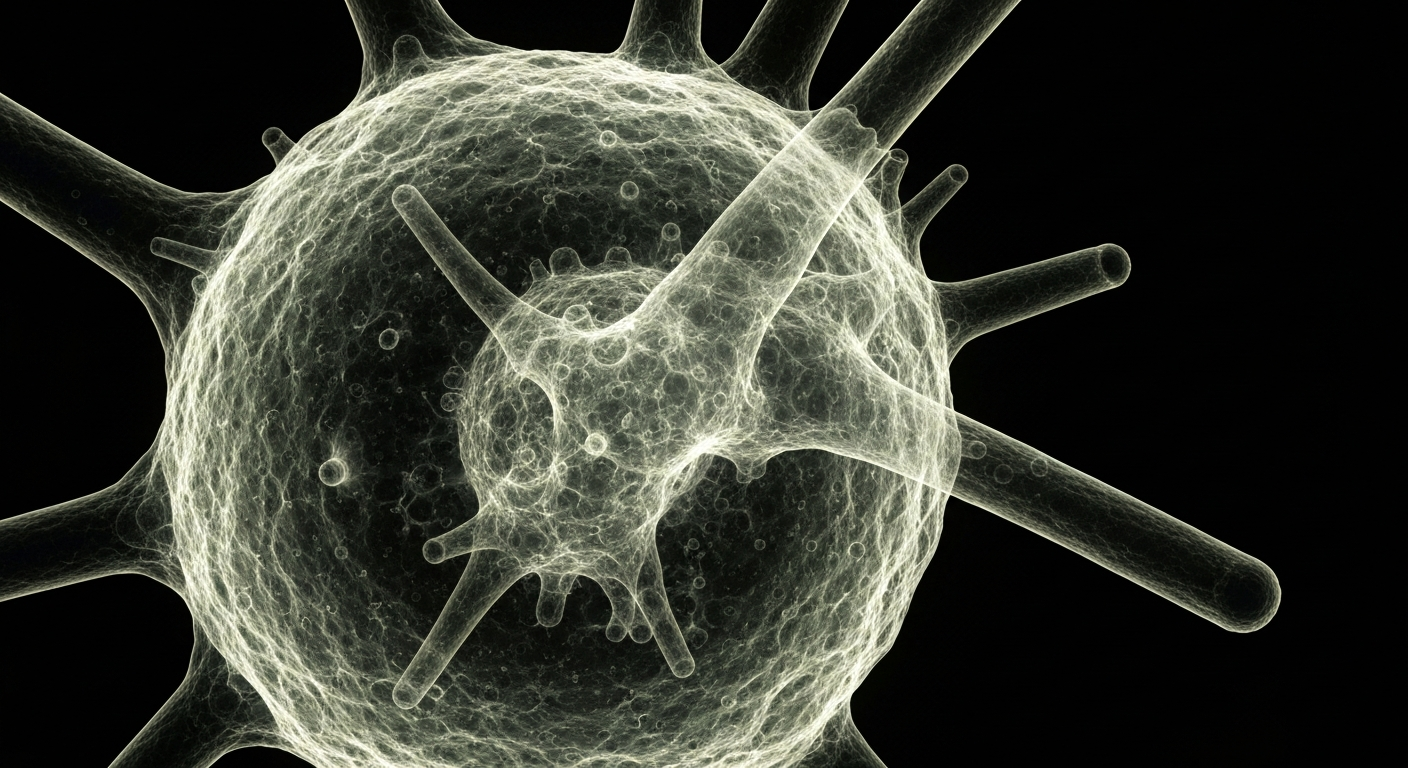 A ghostly X-ray image reveals the complex internal structure of a microplastic particle, highlighting the challenges of removing these tiny pollutants from drinking water.Chapel Hill Today
The Environmental Protection Agency is adding microplastics to a list of drinking water contaminants it is considering for future regulation. This is the first time the EPA has taken this step, though it does not yet require public water systems to remove microplastics. The agency is also considering regulating pharmaceuticals, disinfection byproducts, and PFAS chemicals in drinking water.
Why it matters
Microplastics have been found in nearly every organ in the human body, including the brain and lungs, raising concerns about potential health impacts like increased cancer risk, fertility issues, and heart disease. However, the data on the health effects of microplastics exposure is still inconclusive, and it's unclear what level of exposure, if any, would be harmful.
The details
The EPA is required to publish a list of drinking water contaminants it is considering for regulation every five years. The latest draft list includes microplastics, pharmaceuticals (such as antibiotics, antidepressants, and hormones), disinfection byproducts, and PFAS chemicals. Once the list is finalized, the EPA will decide whether to set national limits on the levels of these contaminants allowed in public drinking water. This is an initial step, and it will likely take years before any new regulations are implemented that would require public water systems to remove microplastics.
- The EPA released the draft list of contaminants on Thursday, April 2, 2026.
- The EPA is required to publish the contaminant list every five years.
The players
Lee Zeldin
EPA Administrator who announced the agency's action on microplastics.
Robert F. Kennedy Jr.
Health Secretary who said his agency was launching a $144 million program to measure microplastics exposure, understand the health risks, and find ways to remove them.
Suzanne Novak
Director of drinking water advocacy for Earthjustice, an environmental law group, who criticized the EPA's actions as a "PR stunt" that doesn't require any real action.
Betsy Southerland
Former director of the Office of Science and Technology in the EPA's Office of Water, who said the EPA's actions were not as groundbreaking as they were made out to be.
Rebecca Fry
Chair of environmental sciences and engineering at the University of North Carolina at Chapel Hill, who said she was "cautiously optimistic" about the EPA's move.
What they’re saying
“For too long, Americans have been ignored as they sound the alarm about plastics in their drinking water. That ends today.”
— Lee Zeldin, EPA Administrator
“We still do not have clear answers about causation or solutions. We do not yet understand how these particles interact with the immune system, the endocrine system or the neurological system, and we do not have validated methods to remove them safely.”
— Robert F. Kennedy Jr., Health Secretary
“Zeldin's EPA is not taking bold action to ensure drinking water safety. This is a PR stunt that doesn't require a single test, set a single drinking water standard, or protect a single community.”
— Suzanne Novak, Director of drinking water advocacy, Earthjustice
“What RFK is trying to do with this very deceptive spin statement is act like this is a real aggressive move on Zeldin's part, when, in fact, it's just the very beginning of potential research.”
— Betsy Southerland, Former director, EPA Office of Water
“The fact that we don't monitor for it means that there's data that's missing. This will allow us to have new information, and new information is always good.”
— Rebecca Fry, Chair of environmental sciences and engineering, University of North Carolina at Chapel Hill
What’s next
The EPA will finalize the list of contaminants it is considering for regulation, and then decide whether to set national limits on the levels of those contaminants allowed in public drinking water. This process could take several years before any new regulations are implemented that would require public water systems to remove microplastics.
The takeaway
The EPA's move to add microplastics to the list of drinking water contaminants it is considering for regulation is an important first step, but it does not yet require any action from public water systems. Significant research is still needed to fully understand the health impacts of microplastics exposure and develop effective methods for removing them from drinking water.