- Today
- Holidays
- Birthdays
- Reminders
- Cities
- Atlanta
- Austin
- Baltimore
- Berwyn
- Beverly Hills
- Birmingham
- Boston
- Brooklyn
- Buffalo
- Charlotte
- Chicago
- Cincinnati
- Cleveland
- Columbus
- Dallas
- Denver
- Detroit
- Fort Worth
- Houston
- Indianapolis
- Knoxville
- Las Vegas
- Los Angeles
- Louisville
- Madison
- Memphis
- Miami
- Milwaukee
- Minneapolis
- Nashville
- New Orleans
- New York
- Omaha
- Orlando
- Philadelphia
- Phoenix
- Pittsburgh
- Portland
- Raleigh
- Richmond
- Rutherford
- Sacramento
- Salt Lake City
- San Antonio
- San Diego
- San Francisco
- San Jose
- Seattle
- Tampa
- Tucson
- Washington
Planting with Purpose: How Native Species Bring Gardens to Life
Experts explain the benefits of incorporating local, bioregional plants into home gardens
Apr. 10, 2026 at 8:34pm
Got story updates? Submit your updates here. ›
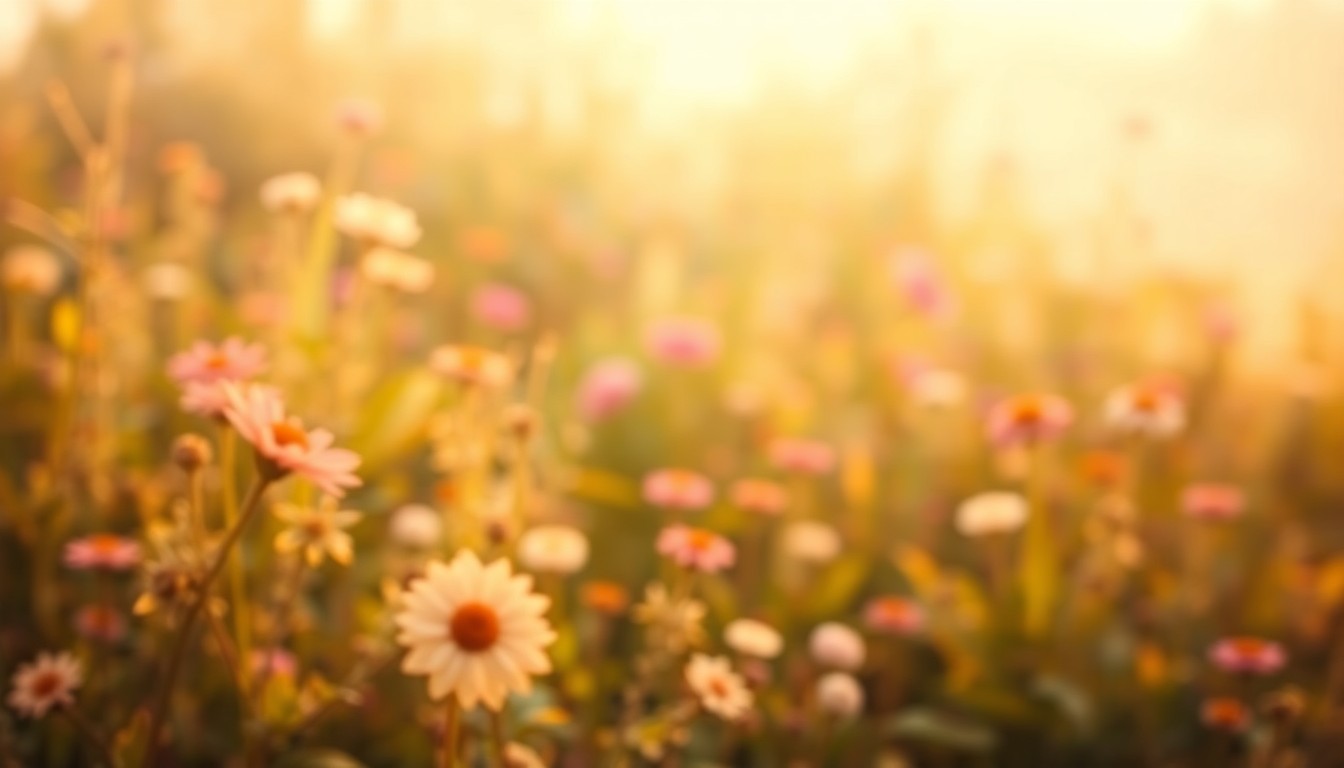 Native plants bring vibrant color, vital habitats, and a sense of natural wonder to home gardens.Asheville Today
As spring arrives in the mountains of North Carolina, homeowners are looking to add new plants to their gardens. However, experts recommend focusing on native species that have evolved alongside local pollinators over thousands of years, rather than non-native plants that can become invasive and disrupt the ecosystem. Greta Dietrich of Woodswise Botanicals explains how native plants create habitats that support a diverse array of birds, insects, and other wildlife, while avoiding the issues posed by aggressive, fast-growing non-native species.
Why it matters
Incorporating native plants into home gardens is an important way for individuals to support local ecosystems and biodiversity. By creating habitats for pollinators and other wildlife, homeowners can have a positive impact on the environment and help address challenges posed by invasive species and climate change.
The details
Greta Dietrich, owner of Woodswise Botanicals in Mills River, North Carolina, specializes in bioregional native plants. She explains that native plants have developed alongside local pollinators over thousands of years, offering crucial resources and evolutionary benefits that non-native plants cannot provide. While non-native plants may offer some nectar for pollinators, they lack the deep connections that native species have cultivated. In contrast, invasive non-native plants can quickly overtake resources vital to native species, leading to ecological imbalances.
- Spring 2026 is the current season when homeowners are looking to add new plants to their gardens.
The players
Greta Dietrich
The owner of Woodswise Botanicals in Mills River, North Carolina, a nursery that specializes in bioregional native plants.
What they’re saying
“The plants that have grown here, they've been growing here for thousands of years, and a lot of species of pollinators have evolved with them.”
— Greta Dietrich, Owner, Woodswise Botanicals
“To plant native, you're offering places for the pollinators to come and feed and grow their young. You're becoming a habitat creator.”
— Greta Dietrich, Owner, Woodswise Botanicals
“A lot of the issues we're running into with non-native species are the invasive species. They like the same thing, and they're very aggressive, and they kind of dominate a whole space.”
— Greta Dietrich, Owner, Woodswise Botanicals
What’s next
As spring continues, homeowners in western North Carolina will have the opportunity to visit local nurseries and garden centers to select native plant species that will thrive in their home landscapes and support local ecosystems.
The takeaway
By choosing native plants over non-native species, homeowners can play a vital role in creating habitats that support pollinators and other wildlife, while avoiding the problems posed by invasive plants that can disrupt local ecosystems. This simple gardening choice can have a meaningful impact on the environment.
Asheville top stories


Asheville events


Apr. 16, 2026
Penny & Sparrow
Apr. 16, 2026
Penny & Sparrow