- Today
- Holidays
- Birthdays
- Reminders
- Cities
- Atlanta
- Austin
- Baltimore
- Berwyn
- Beverly Hills
- Birmingham
- Boston
- Brooklyn
- Buffalo
- Charlotte
- Chicago
- Cincinnati
- Cleveland
- Columbus
- Dallas
- Denver
- Detroit
- Fort Worth
- Houston
- Indianapolis
- Knoxville
- Las Vegas
- Los Angeles
- Louisville
- Madison
- Memphis
- Miami
- Milwaukee
- Minneapolis
- Nashville
- New Orleans
- New York
- Omaha
- Orlando
- Philadelphia
- Phoenix
- Pittsburgh
- Portland
- Raleigh
- Richmond
- Rutherford
- Sacramento
- Salt Lake City
- San Antonio
- San Diego
- San Francisco
- San Jose
- Seattle
- Tampa
- Tucson
- Washington
Trump Approval Ratings Plummet Amid Iran War, Easter Post Controversy
Recent polls show Trump's approval rating in North Carolina and nationally at new lows as the U.S. conflict with Iran continues.
Apr. 6, 2026 at 6:54pm
Got story updates? Submit your updates here. ›
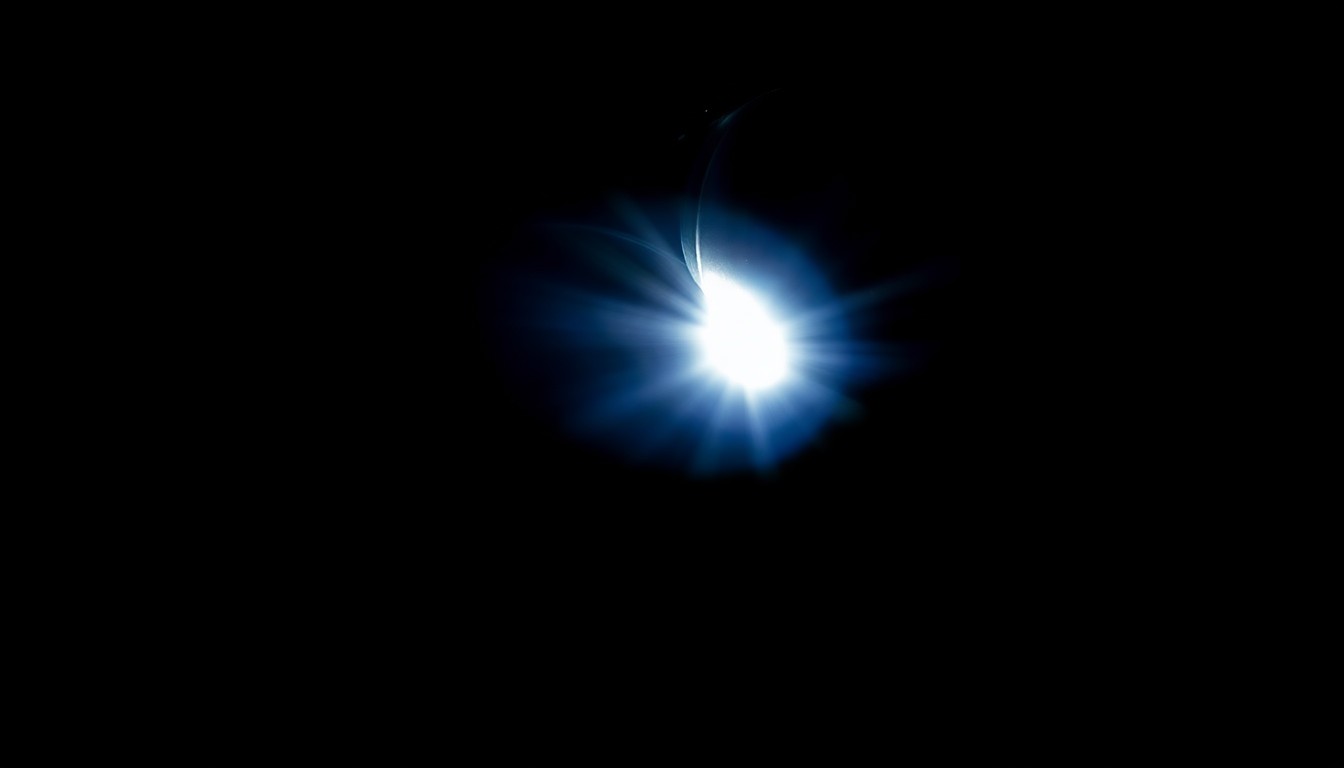
 A fractured, abstract painting captures the instability and destruction caused by the escalating U.S. conflict with Iran.Asheville Today
As the U.S. war with Iran drags on, new polls reveal President Donald Trump's approval ratings have plummeted both in North Carolina and nationally. A recent Catawba College survey found Trump's approval rating among North Carolina residents at just 42%, with a 55% disapproval rating - the widest gap recorded in the past year. Nationally, Trump's final approval rating when he left office in 2021 was 34%, down from an average of 41% during his first term. Trump's controversial Easter Sunday post on Truth Social, which included threats towards Iran, has also sparked outrage and further eroded public support.
Why it matters
Trump's declining approval ratings could have significant political implications, both for the president himself and for the Republican party. With the 2024 election cycle approaching, these numbers suggest Trump may face an uphill battle if he chooses to run again. The ongoing conflict with Iran and Trump's combative rhetoric are also raising concerns about the stability of U.S. foreign policy and the potential for further escalation.
The details
Recent polls have revealed a significant drop in President Trump's approval ratings, both in the key swing state of North Carolina and nationally. A Catawba College survey of 1,000 North Carolina adults found Trump's approval rating in the state at just 42%, with a 55% disapproval rating - the widest gap recorded in the past year. Nationally, Trump's final approval rating when he left office in 2021 was 34%, down from an average of 41% during his first term. These numbers come as the U.S. conflict with Iran continues, with Trump claiming the U.S. has decimated Iran's military capabilities. However, the war has also led to a spike in gas prices, with the national average reaching over $4 per gallon for the first time since 2022. Trump's controversial Easter Sunday post on Truth Social, which included threats towards Iran, has also sparked outrage and further eroded public support.
- On April 1, Trump addressed the nation, claiming 'Iran's navy is gone. Their air force is in ruins. Their leaders - most of them (in the) terrorist regime they led - are now dead.'
- On April 5, Trump made an expletive-laden post on Truth Social, threatening 'Tuesday will be Power Plant Day, and Bridge Day, all wrapped up in one, in Iran.'
The players
Donald Trump
The 45th President of the United States, who left office in 2021. Recent polls show his approval ratings have plummeted amid the ongoing U.S. conflict with Iran.
Josh Stein
The current Governor of North Carolina, who received a 50% approval rating in the Catawba College poll, compared to Trump's 42% approval in the state.
What they’re saying
“Iran's navy is gone. Their air force is in ruins. Their leaders - most of them (in the) terrorist regime they led - are now dead.”
— Donald Trump, President of the United States
“Tuesday will be Power Plant Day, and Bridge Day, all wrapped up in one, in Iran.”
— Donald Trump, President of the United States
What’s next
As the U.S. conflict with Iran continues, all eyes will be on President Trump's next moves and whether his approval ratings can recover ahead of the 2024 election cycle.
The takeaway
Trump's plummeting approval ratings, both in the key swing state of North Carolina and nationally, highlight the political risks he faces as the U.S. war with Iran drags on. The president's combative rhetoric and the conflict's impact on gas prices have eroded public support, raising questions about his political future and the stability of U.S. foreign policy.
Asheville top stories


Asheville events
Apr. 10, 2026
The Emo Night Tour
Apr. 10, 2026
An Evening With Goose
Apr. 10, 2026
The Emo Night Tour