- Today
- Holidays
- Birthdays
- Reminders
- Cities
- Atlanta
- Austin
- Baltimore
- Berwyn
- Beverly Hills
- Birmingham
- Boston
- Brooklyn
- Buffalo
- Charlotte
- Chicago
- Cincinnati
- Cleveland
- Columbus
- Dallas
- Denver
- Detroit
- Fort Worth
- Houston
- Indianapolis
- Knoxville
- Las Vegas
- Los Angeles
- Louisville
- Madison
- Memphis
- Miami
- Milwaukee
- Minneapolis
- Nashville
- New Orleans
- New York
- Omaha
- Orlando
- Philadelphia
- Phoenix
- Pittsburgh
- Portland
- Raleigh
- Richmond
- Rutherford
- Sacramento
- Salt Lake City
- San Antonio
- San Diego
- San Francisco
- San Jose
- Seattle
- Tampa
- Tucson
- Washington
Asheville's Urban Renewal Reckoning Revealed in Docuseries
The 'Black in Asheville' series meticulously reconstructs the once tight-knit Black neighborhoods razed by the largest urban renewal project in the Southeast.
Mar. 5, 2026 at 3:37pm
Got story updates? Submit your updates here. ›
The second installment of the 'Black in Asheville' docuseries, 'Urban Renewal Impact', uses interviews, archival research, and personal experiences to reveal how Black residents in Asheville were severed from their communities and shortchanged during the city's large-scale urban renewal efforts. The film connects these local events to the broader history of racism, land theft, and wealth extraction from the Black community in the U.S.
Why it matters
The documentary sheds light on the lasting impact of urban renewal policies that disproportionately targeted and displaced Black communities in Asheville and across the country. It serves as a vital reckoning with this history and the ongoing racial wealth gap, while also inspiring action to address these deep-rooted injustices.
The details
The film opens with a speech by Rev. Martin Luther King Jr. about the material basis of racism and poverty, setting the stage for the story of Asheville's Southside and East End neighborhoods. It traces how the broken promises of Reconstruction, the convict leasing system, and redlining policies led to the targeted destruction of these vibrant Black communities through urban renewal. Over 1,200 structures were identified as 'blighted,' affecting 4,000 residents, 96% of whom were Black. Businesses, including the first Black-owned hotel, were shuttered, demolished or relocated, resulting in an estimated $130 million in lost family wealth.
- In 1865, after a meeting with Black ministers, Union General William T. Sherman issued an order to redistribute land from former slave owners to freed Black people, but President Andrew Johnson overturned the order.
- The Beaucatcher Tunnel in Asheville was completed in 1928 by imprisoned Black people.
- Asheville's Black population has steadily decreased, from 21% in 1980 to just 12% in 2020.
The players
Todd Gragg
The director of the 'Black in Asheville' docuseries.
Priscilla Robinson
A historian who co-created the 'Black in Asheville' docuseries and conducted extensive research on Asheville's urban renewal history.
Rev. Martin Luther King Jr.
The civil rights leader whose speech on the material basis of racism and poverty is featured in the film.
William T. Sherman
The Union general who issued an order to redistribute land from former slave owners to freed Black people, which was later overturned by President Andrew Johnson.
Andrew Johnson
The president who overturned General Sherman's order to redistribute land to freed Black people after the Civil War.
What they’re saying
“We are coming to get our check.”
— Rev. Martin Luther King Jr.
“Why are Black people in Asheville so angry? And I didn't have an answer, so I set out to find it.”
— Priscilla Robinson, Historian
“I was like a kid in a candy store.”
— Priscilla Robinson, Historian
“If you're ever in a place where you don't feel good, the best way to feel better is to do something for someone else.”
— Todd Gragg, Director
What’s next
The filmmakers plan to continue their research and community engagement efforts to further uncover the history of urban renewal in Asheville and explore ways to address the ongoing impacts on the city's Black residents.
The takeaway
The 'Urban Renewal Impact' documentary serves as a powerful reckoning with Asheville's history of racist policies and practices that systematically stripped wealth and community from the city's Black population. This work is vital in understanding the roots of present-day inequities and inspiring action to pursue reparations and other forms of restorative justice.
Asheville top stories

Asheville events
Apr. 16, 2026
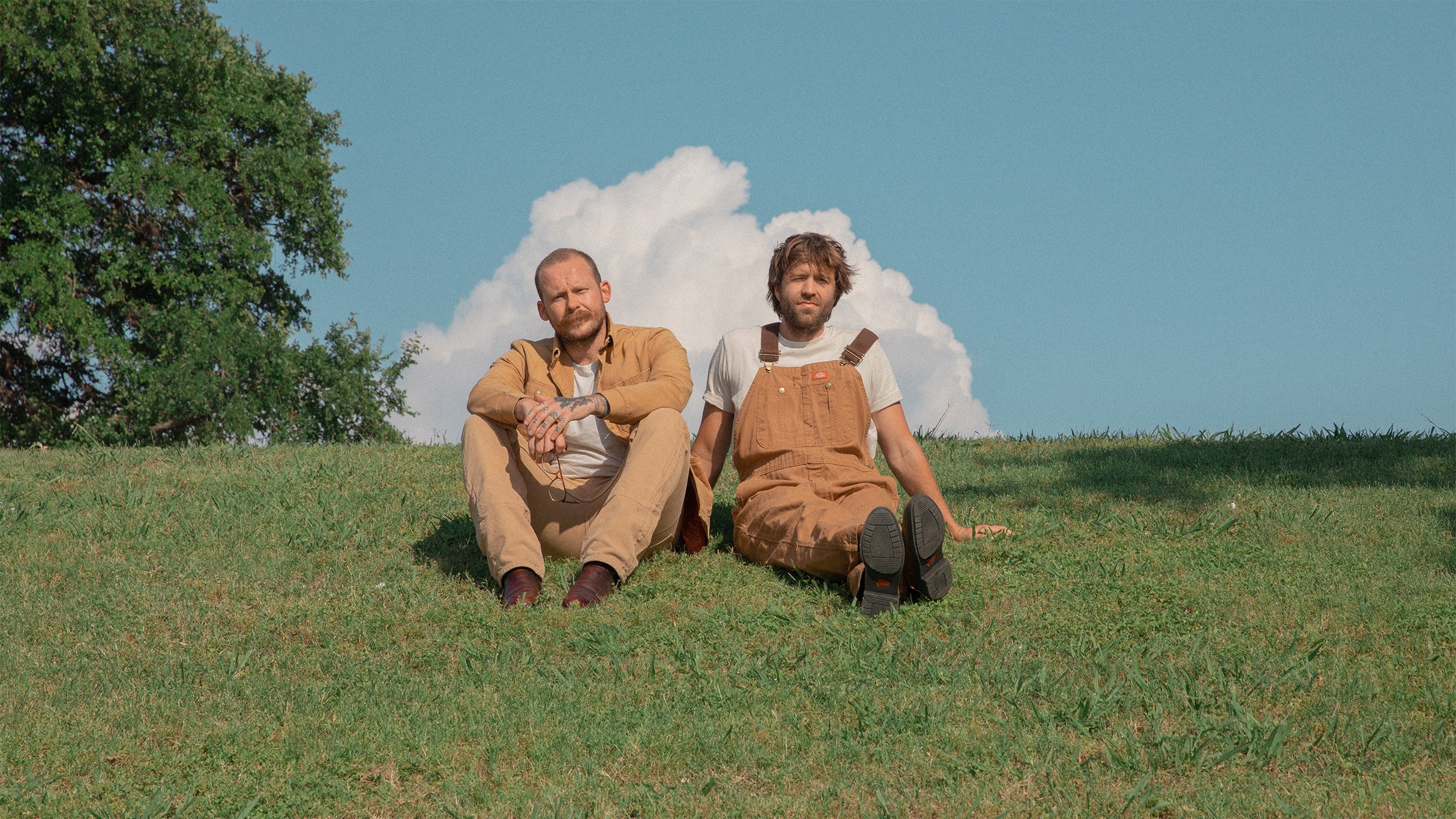
Penny & Sparrow
Apr. 16, 2026
Penny & Sparrow