- Today
- Holidays
- Birthdays
- Reminders
- Cities
- Atlanta
- Austin
- Baltimore
- Berwyn
- Beverly Hills
- Birmingham
- Boston
- Brooklyn
- Buffalo
- Charlotte
- Chicago
- Cincinnati
- Cleveland
- Columbus
- Dallas
- Denver
- Detroit
- Fort Worth
- Houston
- Indianapolis
- Knoxville
- Las Vegas
- Los Angeles
- Louisville
- Madison
- Memphis
- Miami
- Milwaukee
- Minneapolis
- Nashville
- New Orleans
- New York
- Omaha
- Orlando
- Philadelphia
- Phoenix
- Pittsburgh
- Portland
- Raleigh
- Richmond
- Rutherford
- Sacramento
- Salt Lake City
- San Antonio
- San Diego
- San Francisco
- San Jose
- Seattle
- Tampa
- Tucson
- Washington
Sweet Grass Today
By the People, for the People
U.S. to Close Historic Border Road Connecting Montana and Alberta
Residents lament loss of free access to shared road that has existed for generations
Mar. 29, 2026 at 1:50pm
Got story updates? Submit your updates here. ›
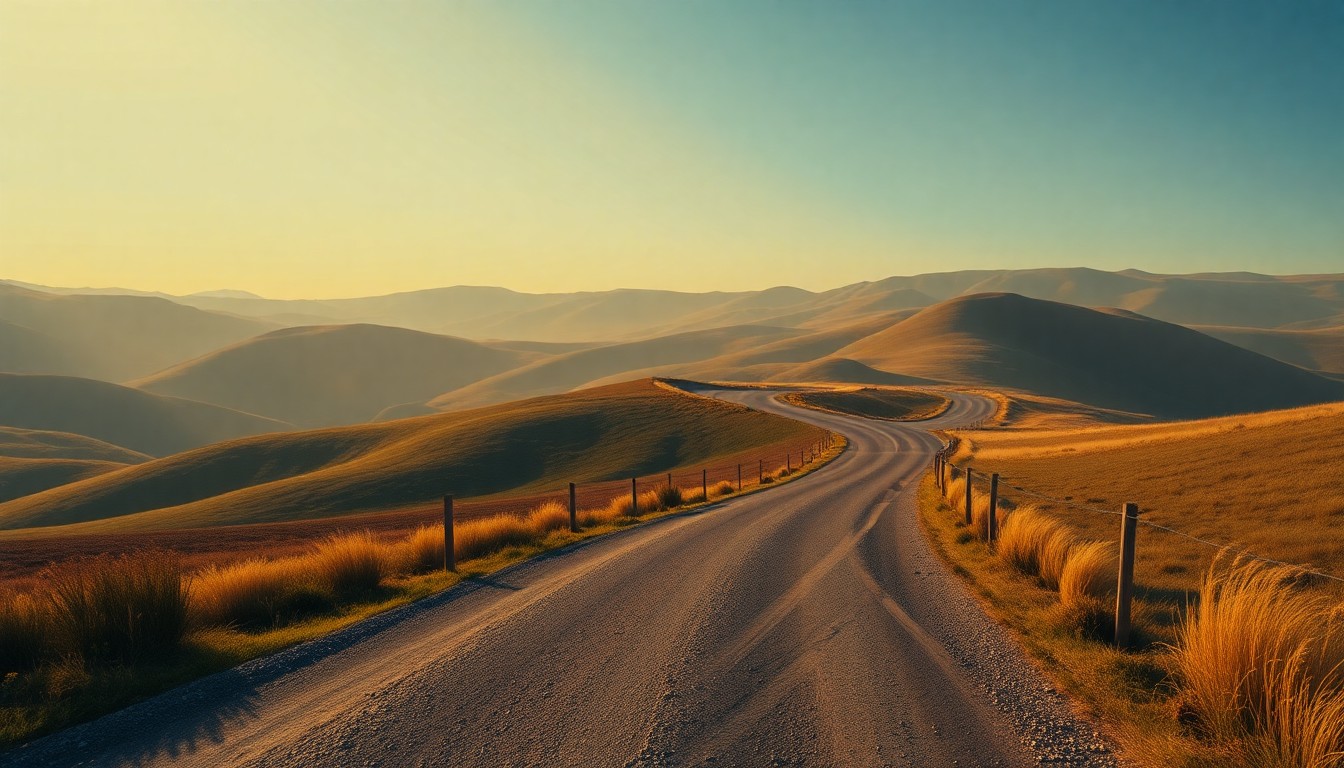 The closure of a historic cross-border road highlights the growing tensions over border security and the disruption of longstanding community ties.Sweet Grass Today
The U.S. government has announced plans to close Border Road, a 14-kilometer gravel road that has connected the Sweet Grass Hills region of Montana and Alberta, Canada for over 80 years. The road, which has been maintained by Alberta but sits on the U.S. side of the border, has allowed free passage between the two neighboring communities. However, amid concerns over illegal border crossings and drug trafficking, the U.S. will be enforcing the border and closing the road to Canadian traffic starting this summer.
Why it matters
The closure of Border Road represents the increasing securitization of the U.S.-Canada border, which has historically been one of the world's most open and cooperative borders. Residents on both sides of the border have enjoyed free access to the shared road for generations, allowing them to visit family and friends. The road closure will disrupt this longstanding cross-border community and represents the growing tensions around border control and national security concerns.
The details
The U.S. Department of Homeland Security has informed Alberta officials that changes are coming to enforce the border in the Sweet Grass Hills region. As a result, a virtually identical parallel gravel road will be built on the Canadian side of the border, just meters away from the existing Border Road. This will effectively split the road in two, with the actual border running in the ditch between the two parallel roads. Alberta has allocated $8 million to expedite construction of the new Canadian road, which is set to be completed by summer.
- Border Road has provided free access between Montana and Alberta for over 80 years.
- The U.S. informed Alberta of the upcoming changes to the border enforcement last year.
- Construction on the new Canadian road is set to begin in April 2026 and be completed by summer.
The players
Ross Ford
A 64-year-old resident who lives on the Canadian side of Border Road and has enjoyed free access to the road his entire life.
Roger Horgus
A 68-year-old resident who lives on the U.S. side of Border Road and has also had free access to the road since childhood.
Devin Dreeshen
The Alberta Transportation Minister, who was informed by U.S. Homeland Security about the upcoming changes to the border enforcement and is overseeing the construction of the new Canadian road.
What they’re saying
“We've enjoyed free access to the road for I guess about 80 years, way before I was born. We've always been very close to our neighbours.”
— Ross Ford, Resident
“It's ridiculous. I hate to see it because the Canadians have taken such good care of us and the road, with grading and all of that.”
— Roger Horgus, Resident
“Regardless of the line on the map, you'll have farmers on both sides of the border, you'll have family friends on both sides of the border.”
— Devin Dreeshen, Alberta Transportation Minister
What’s next
Alberta has allocated $8 million to build a new parallel road on the Canadian side of the border, which is scheduled to be completed by summer 2026 before the closure of Border Road.
The takeaway
The closure of Border Road, a historic shared road between Montana and Alberta, represents the growing tensions around border security and the disruption of longstanding cross-border communities. While the U.S. cites concerns over illegal activity, residents on both sides lament the loss of free access and cooperation that the road has symbolized for generations.