- Today
- Holidays
- Birthdays
- Reminders
- Cities
- Atlanta
- Austin
- Baltimore
- Berwyn
- Beverly Hills
- Birmingham
- Boston
- Brooklyn
- Buffalo
- Charlotte
- Chicago
- Cincinnati
- Cleveland
- Columbus
- Dallas
- Denver
- Detroit
- Fort Worth
- Houston
- Indianapolis
- Knoxville
- Las Vegas
- Los Angeles
- Louisville
- Madison
- Memphis
- Miami
- Milwaukee
- Minneapolis
- Nashville
- New Orleans
- New York
- Omaha
- Orlando
- Philadelphia
- Phoenix
- Pittsburgh
- Portland
- Raleigh
- Richmond
- Rutherford
- Sacramento
- Salt Lake City
- San Antonio
- San Diego
- San Francisco
- San Jose
- Seattle
- Tampa
- Tucson
- Washington
UM Secures Over $6M in Grants from US Naval Research, Defense Dept.
Funding to develop treatments for motion sickness, traumatic brain injuries in military personnel.
Jan. 27, 2026 at 6:23pm
Got story updates? Submit your updates here. ›
The University of Montana has received over $6 million in grants from the U.S. Office of Naval Research and the Department of Defense. The funding will support research by UM scientists Bryan Loyd and Andy Kittelson to develop new treatments for motion sickness in Navy pilots and help military personnel with traumatic brain injuries regain their balance.
Why it matters
This research could have wide-ranging benefits beyond the military, helping adults struggling with dizziness, inner-ear dysfunction, balance and gaze control issues. The grants also highlight UM's growing research enterprise, which saw a record $149.9 million in expenditures in fiscal year 2025.
The details
Loyd and Kittelson landed a three-year, $4.8 million grant from the U.S. Office of Naval Research to develop new ways to combat motion sickness in Navy pilots. They also received a $1.5 million Department of Defense grant to help military personnel with traumatic brain injuries regain their balance. UM's overall research activity has been on the rise, with the university submitting 720 grant or contract proposals in 2024, though that number dropped to 564 last year.
- In fiscal year 2025, UM posted a record $149.9 million in research expenditures.
- UM submitted 720 grant or contract proposals in 2024, which dropped to 564 in 2025.
The players
Bryan Loyd
A University of Montana scientist who received grants to develop treatments for motion sickness and traumatic brain injuries.
Andy Kittelson
A University of Montana scientist who received grants to develop treatments for motion sickness and traumatic brain injuries.
Scott Whittenburg
The Vice President for Research and Creative Scholarship at the University of Montana.
What they’re saying
“We are recruiting people who get motion sickness and seeing if we can reduce it. The work is important for a lot of reasons, but, of course, we'd love to help give our pilots an advantage.”
— Bryan Loyd
The takeaway
This research funding highlights the University of Montana's growing research capabilities and the potential for their work to have a significant impact on both military and civilian populations struggling with motion sickness, balance issues, and traumatic brain injuries.
Missoula top stories


Missoula events

Mar. 26, 2026
INZO - MIRRORVERSE TOUR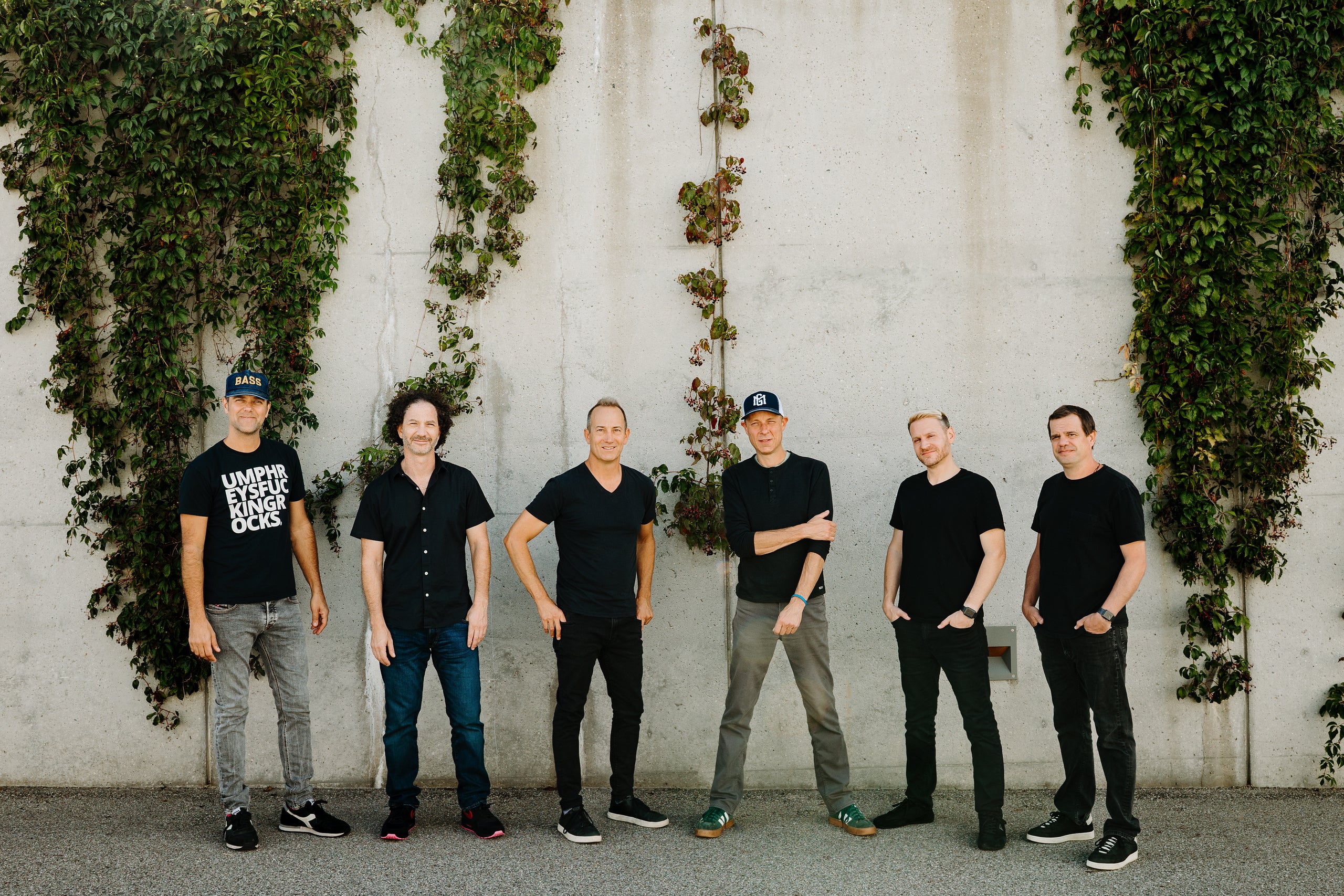
Mar. 27, 2026
UMPHREY'S McGEE - SKY'S THE LIMIT TOUR
Mar. 27, 2026
Grieves - OUT COLD TOUR 4