- Today
- Holidays
- Birthdays
- Reminders
- Cities
- Atlanta
- Austin
- Baltimore
- Berwyn
- Beverly Hills
- Birmingham
- Boston
- Brooklyn
- Buffalo
- Charlotte
- Chicago
- Cincinnati
- Cleveland
- Columbus
- Dallas
- Denver
- Detroit
- Fort Worth
- Houston
- Indianapolis
- Knoxville
- Las Vegas
- Los Angeles
- Louisville
- Madison
- Memphis
- Miami
- Milwaukee
- Minneapolis
- Nashville
- New Orleans
- New York
- Omaha
- Orlando
- Philadelphia
- Phoenix
- Pittsburgh
- Portland
- Raleigh
- Richmond
- Rutherford
- Sacramento
- Salt Lake City
- San Antonio
- San Diego
- San Francisco
- San Jose
- Seattle
- Tampa
- Tucson
- Washington
Great Falls Today
By the People, for the People
Europe Faces Looming Gas Storage Crisis Amid Global Supply Shifts
Fragile calm in energy markets masks deeper structural challenges for the continent's energy security
Apr. 10, 2026 at 7:49am
Got story updates? Submit your updates here. ›
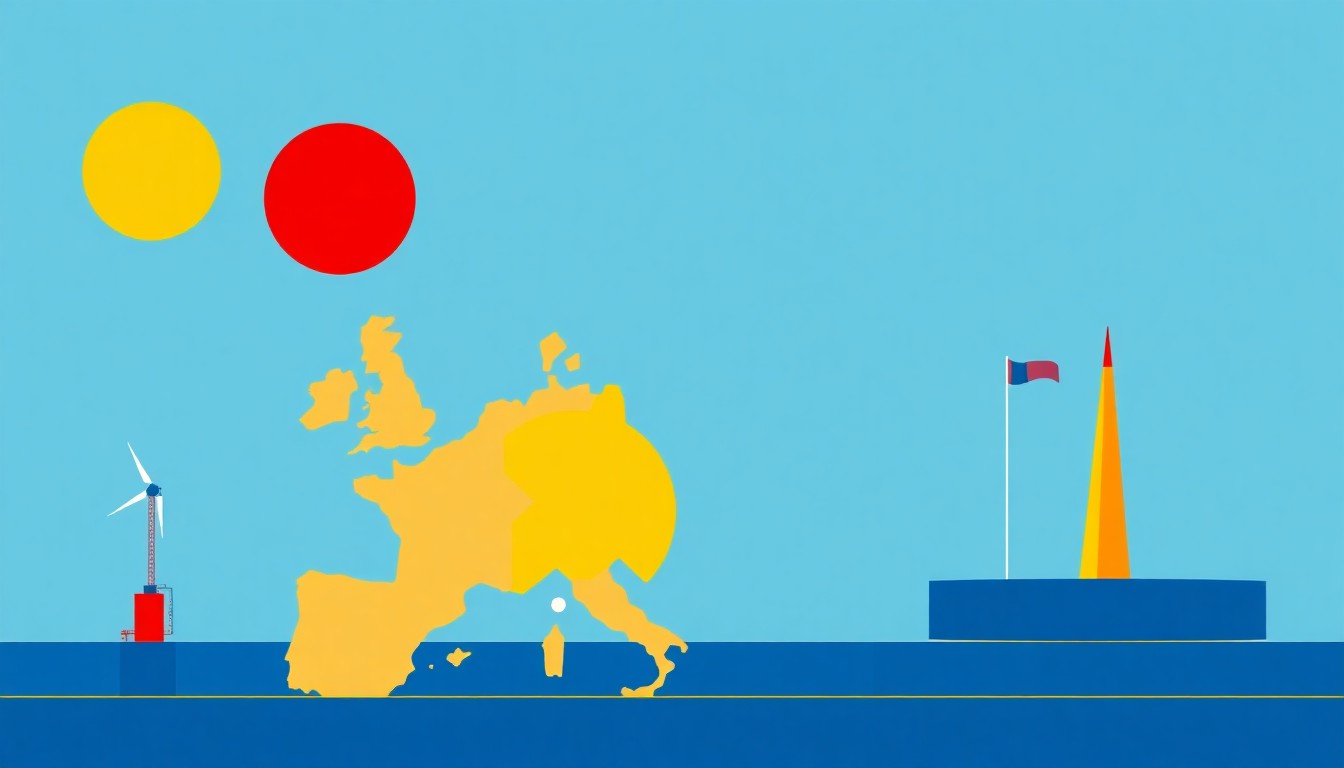 As Europe grapples with a looming gas storage crisis, the continent's energy security hangs in the balance amid shifting global supply dynamics.Great Falls Today
Europe's energy landscape has seen a temporary respite from soaring gas prices, with LNG cargoes rerouted and trading desks breathing a sigh of relief. However, this calm is deceptive, as the continent faces a stubborn, structural challenge in refilling its gas storage ahead of the winter months. The global reordering of gas flows, with Asia outbidding Europe for scarce LNG supplies, has left Europe's traditional access to abundant Middle East gas more contingent and expensive. This shift in global supply has real consequences for Europe's storage strategy, with storage levels far below last year's levels. The risk is not just about price volatility, but about the reliability, political capital, and social license to operate under persistent uncertainty.
Why it matters
Europe's energy security is at stake, as the continent grapples with a reordering of global gas flows that has left it more exposed to geopolitical shocks and shipping constraints. The ability to refill gas storage ahead of winter is critical, as it not only impacts household heating and electricity prices, but also has broader economic implications, from industrial production to transportation costs. This crisis reveals the need for Europe to rethink its energy strategy, moving beyond seasonal sprints and towards greater resilience through diversified sourcing, longer-term LNG contracts, and enhanced regional storage capacity.
The details
Europe's gas storage levels are currently only about 29% full, far below last year's levels for the same time. This is not just a temporary dip, but a widening gap between what Europe needs to rebuild inventories and what the global market can reliably deliver. The intensification of the Middle East conflict has disrupted LNG cargoes from Qatar, while Asian buyers have outbid Europe for scarce spot market supplies. This structural tightening of the global gas market requires Europe to rethink its inventory targets, diversification strategies, and emergency planning.
- As of early April 2026, EU gas storage was only about 29% full.
- The European Commission has warned that energy prices will stay elevated for months, despite any ceasefire or reopening of the Hormuz Strait.
The players
Wood Mackenzie
A global energy research and consultancy firm that has emphasized the broader risk Europe faces, with lean inventories and the system exposed to cascading vulnerabilities.
Saxo Bank
A Danish investment bank that has also highlighted the risks to Europe's energy security, with delays in restarting Qatar's production and lingering Hormuz uncertainties.
What’s next
Europe must grapple with energy security as a multi-layer problem, where political risk management, market design, and strategic stockpiling are as critical as immediate price trends. The coming months will be a test of whether European energy architecture can function amid a rebalanced global order, with the ability to refill storage at a pace that outpaces the tightening global market.
The takeaway
This crisis reveals the need for Europe to pivot towards greater resilience in its energy strategy, through diversified sourcing, longer-term LNG contracts, and enhanced regional storage capacity. Energy security is less about forecasting a single path and more about preparing for a world where the best-laid plans fail, and resilience becomes the currency of stability.