- Today
- Holidays
- Birthdays
- Reminders
- Cities
- Atlanta
- Austin
- Baltimore
- Berwyn
- Beverly Hills
- Birmingham
- Boston
- Brooklyn
- Buffalo
- Charlotte
- Chicago
- Cincinnati
- Cleveland
- Columbus
- Dallas
- Denver
- Detroit
- Fort Worth
- Houston
- Indianapolis
- Knoxville
- Las Vegas
- Los Angeles
- Louisville
- Madison
- Memphis
- Miami
- Milwaukee
- Minneapolis
- Nashville
- New Orleans
- New York
- Omaha
- Orlando
- Philadelphia
- Phoenix
- Pittsburgh
- Portland
- Raleigh
- Richmond
- Rutherford
- Sacramento
- Salt Lake City
- San Antonio
- San Diego
- San Francisco
- San Jose
- Seattle
- Tampa
- Tucson
- Washington
Experts Skeptical of Controversial Deep Brain Stimulation for Autism-Related Self-Harm
Researchers see potential mechanisms, but clinicians question whether the human effects are real, durable, and specific.
Apr. 13, 2026 at 12:43am
Got story updates? Submit your updates here. ›
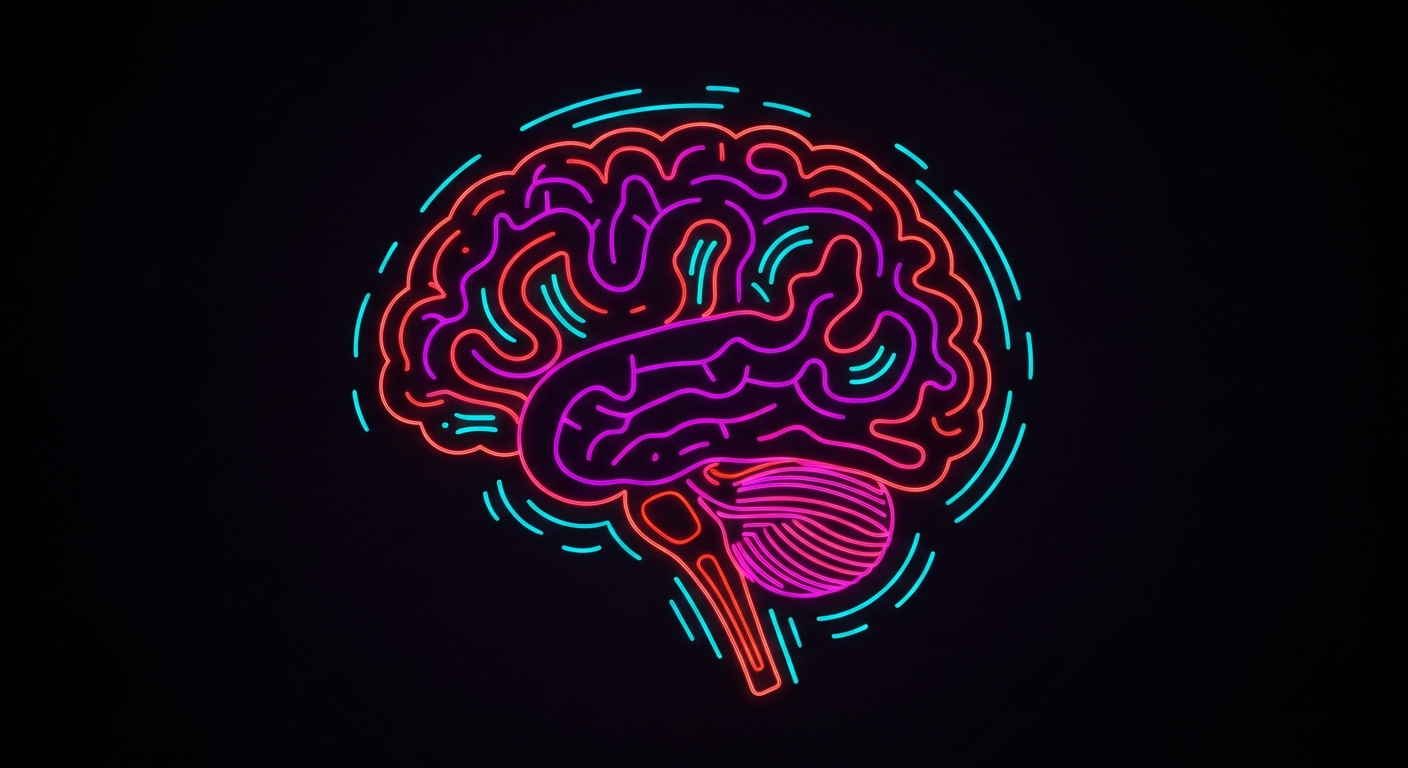 Experts caution that the promise of deep brain stimulation for autism-related self-harm must be tempered by rigorous clinical trial design and a clear understanding of the risks and limitations of this invasive approach.Oxford Today
A new study published in Science Advances explores the use of deep brain stimulation (DBS) to regulate self-injurious behavior in children with autism by targeting the nucleus accumbens. While the researchers report promising results, leading experts express skepticism about the study design, lack of control groups, and the broader feasibility of implementing DBS as a treatment. The experts argue that without stronger trial designs to separate stimulation effects from other factors, the scientific community risks talking itself into clinical momentum before the evidence is ready.
Why it matters
The debate around DBS for autism-related self-harm highlights the tension between the emotional promise of a 'brain stimulation' solution and the scientific realities of translating a neurosurgical technique into a reliable treatment. Experts caution that small sample sizes and lack of control groups make it difficult to determine if the reported improvements are truly due to the DBS intervention or could be explained by other factors like natural fluctuations, placebo effects, or changes in caregiver support. They argue the bar for evidence should be higher given the invasive nature and practical barriers of DBS.
The details
The study focuses on electrical stimulation of corticostriatal circuits involving the nucleus accumbens, a brain region linked to reward and motivation systems. Researchers report benefits in both mouse models and a small group of children with autism. However, leading experts like Prof Geoff Bird from Oxford express skepticism, primarily due to the lack of a proper comparison group in the child data. Without a control group, it's difficult to separate stimulation effects from other factors like time-related improvements, caregiver changes, or placebo/context effects. Experts also note practical barriers to widespread DBS implementation, such as the limited number of hospitals capable of performing the surgery and the infection risks associated with the invasive procedure.
- The study was published in Science Advances in April 2026.
The players
Geoff Bird
A professor at the University of Oxford who is unconvinced by the child data in the study due to the lack of a proper control group.
Marcus Kaiser
An expert who points out practical barriers to widespread DBS implementation, such as the limited number of hospitals capable of performing the surgery and the infection risks associated with the invasive procedure.
What’s next
The experts suggest that the next steps should prioritize trials with appropriate control conditions, transparent outcome definitions, and longer follow-up to assess durability and safety. They also recommend more integration between invasive and non-invasive approaches, starting with mechanistic validation, then moving to safety-focused trials, and finally to controlled efficacy trials, ideally alongside non-invasive comparators.
The takeaway
The debate around deep brain stimulation for autism-related self-harm highlights the need for rigorous clinical trial design and caution in interpreting results, especially when it comes to invasive interventions. Experts warn against overstating the findings and emphasize the importance of separating stimulation effects from other factors that could explain improvements. The promise of non-invasive neuromodulation approaches targeting similar brain regions may provide a safer path forward, but the field must still demonstrate consistent, durable effects through well-designed studies.
Oxford top stories


Oxford events
Apr. 14, 2026
Kids That Fly

Apr. 15, 2026
Yazoo w/ The Pinksheets