- Today
- Holidays
- Birthdays
- Reminders
- Cities
- Atlanta
- Austin
- Baltimore
- Berwyn
- Beverly Hills
- Birmingham
- Boston
- Brooklyn
- Buffalo
- Charlotte
- Chicago
- Cincinnati
- Cleveland
- Columbus
- Dallas
- Denver
- Detroit
- Fort Worth
- Houston
- Indianapolis
- Knoxville
- Las Vegas
- Los Angeles
- Louisville
- Madison
- Memphis
- Miami
- Milwaukee
- Minneapolis
- Nashville
- New Orleans
- New York
- Omaha
- Orlando
- Philadelphia
- Phoenix
- Pittsburgh
- Portland
- Raleigh
- Richmond
- Rutherford
- Sacramento
- Salt Lake City
- San Antonio
- San Diego
- San Francisco
- San Jose
- Seattle
- Tampa
- Tucson
- Washington
College Students Embrace Healthier Energy Drink Alternatives
As energy drink prices rise, students turn to caffeine-free and wellness-focused options like UPDATE
Apr. 9, 2026 at 1:37am
Got story updates? Submit your updates here. ›
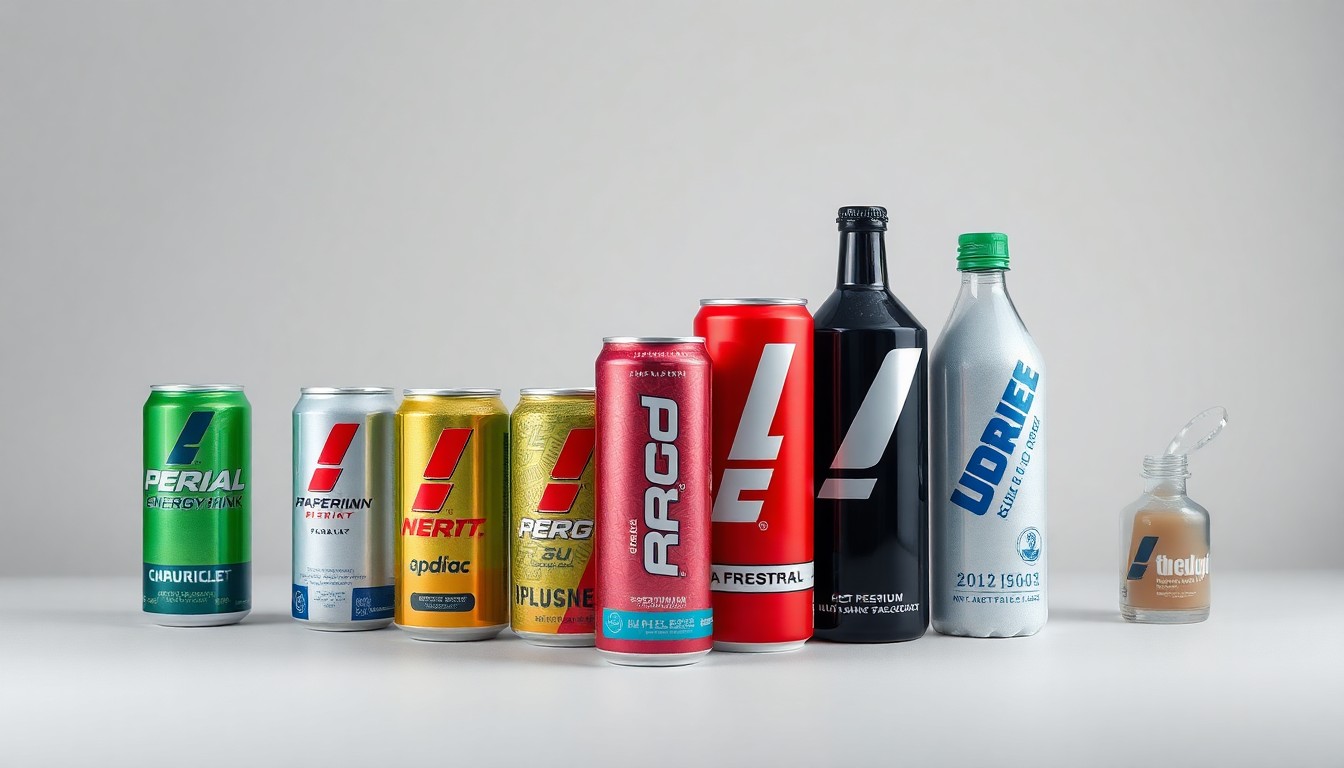 As energy drink brands adapt to meet the changing demands of college students, the market is seeing a rise in healthier, more natural alternatives to traditional caffeine-based options.Oxford Today
The energy drink market is undergoing a significant shift, with college students increasingly opting for healthier and more natural alternatives to traditional caffeinated beverages. Brands like UPDATE, co-founded by Kim Kardashian, are gaining popularity by offering energy without the jitters and crashes associated with caffeine. This trend is driven by students' growing interest in wellness and a desire to avoid the negative side effects of high-caffeine drinks, as well as the substitution effect as coffee and tea prices rise.
Why it matters
The changing energy drink market reflects broader shifts in consumer preferences, particularly among the college demographic. As students become more health-conscious and price-sensitive, brands are adapting their products and marketing strategies to cater to these evolving demands. This transition could have far-reaching implications for the future of the energy drink industry and the caffeine consumption habits of young adults.
The details
While traditional energy drinks like Red Bull and Monster remain popular, students are increasingly turning to alternatives like UPDATE, a caffeine-free energy drink that uses the natural compound paraxanthine instead. UPDATE and similar brands are targeting female consumers with wellness-focused branding and fruity flavors. This shift mirrors broader trends in the soda industry, where 'clean' alternatives like Ollipop and Poppi are gaining traction. However, not all students are convinced that healthier energy options will outcompete traditional drinks, as factors like price, convenience, and effectiveness remain important.
- In July 2024 to 2025, energy drink unit sales increased by 6.3%.
- In 2022, year-over-year price increases for energy drinks reached their peak at 6.2%, while coffee and tea options increased by 12%.
The players
UPDATE
An energy drink co-founded by Beverly Hills billionaire and socialite Kim Kardashian, which contains zero caffeine and instead uses the natural compound paraxanthine to provide energy.
Monster Energy
A major energy drink brand that recently launched the female-focused FLRT energy drink line, offering flavors and wellness ingredients like collagen and biotin.
Jared Smith
A sophomore international studies and Spanish double major from Pass Christian, Mississippi, who consumes UPDATE drinks daily and believes his peers will be receptive to healthier energy options.
A'Davion Bush
A junior political science major from Indianola, Mississippi, who argues that most students will still prioritize factors like price, convenience, and effectiveness over health-focused marketing.
What they’re saying
“I actually really enjoy the drinks because of their 'clean' energy. When I used to drink (other) energy drinks, just the sheer amount of caffeine without anything else would send me either into shakes or deep lows after the caffeine high wore off.”
— Jared Smith, Sophomore
“I do not think most students are going to choose a drink just because it is marketed as healthier. College students still care a lot about price, convenience, taste and whether it actually gives them the energy boost they need.”
— A'Davion Bush, Junior
What’s next
As the energy drink market continues to evolve, it will be important to monitor how college students respond to the growing availability of healthier and more natural alternatives. Brands that can effectively balance factors like price, taste, and functionality with wellness-focused marketing may be poised to capture a larger share of the student caffeine market.
The takeaway
The shifting energy drink landscape reflects broader changes in consumer preferences, particularly among the college demographic. As students become more health-conscious and price-sensitive, brands are adapting their products and marketing strategies to cater to these evolving demands. This transition could have significant implications for the future of the energy drink industry and the caffeine consumption habits of young adults.
Oxford top stories


Oxford events

Apr. 9, 2026
Max McNown - The Cost of Growing Up Tour
Apr. 9, 2026
Max McNown - The Cost of Growing Up Tour
Apr. 10, 2026
Ole Miss Rebels Softball vs. Texas A&M Aggies Softball