- Today
- Holidays
- Birthdays
- Reminders
- Cities
- Atlanta
- Austin
- Baltimore
- Berwyn
- Beverly Hills
- Birmingham
- Boston
- Brooklyn
- Buffalo
- Charlotte
- Chicago
- Cincinnati
- Cleveland
- Columbus
- Dallas
- Denver
- Detroit
- Fort Worth
- Houston
- Indianapolis
- Knoxville
- Las Vegas
- Los Angeles
- Louisville
- Madison
- Memphis
- Miami
- Milwaukee
- Minneapolis
- Nashville
- New Orleans
- New York
- Omaha
- Orlando
- Philadelphia
- Phoenix
- Pittsburgh
- Portland
- Raleigh
- Richmond
- Rutherford
- Sacramento
- Salt Lake City
- San Antonio
- San Diego
- San Francisco
- San Jose
- Seattle
- Tampa
- Tucson
- Washington
The People Who Dread Summer's Heat and Crave Winter's Chill
Reverse seasonal affective disorder (RSAD) leaves some feeling anxious and overwhelmed by warm weather
Apr. 7, 2026 at 3:21pm
Got story updates? Submit your updates here. ›
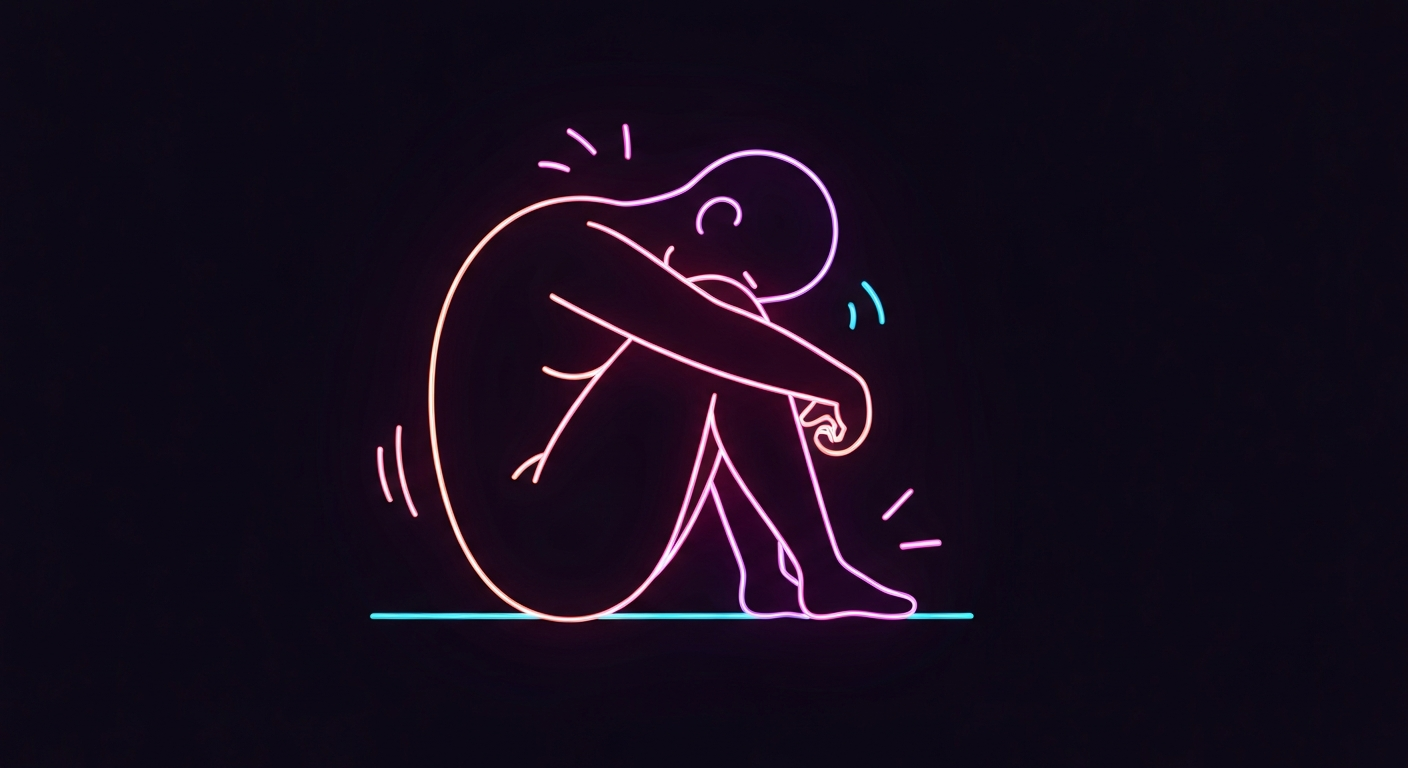 As some struggle to find comfort in the warmth of summer, a visual metaphor captures the desire to withdraw and hibernate.St. Louis Today
A growing number of people are speaking out about their struggles with reverse seasonal affective disorder (RSAD), also known as summer depression. Unlike the more common winter-based seasonal affective disorder (SAD), RSAD causes irritability, insomnia, and anxiety during the warmer months. Sufferers like Sophia Marren and Lachrista Greco find the heat, extra daylight, and social pressures of summer to be overwhelming, preferring the slower pace and comfort of winter.
Why it matters
RSAD is not yet a formally recognized medical diagnosis, but experts say it is a real phenomenon that affects around 1% of Americans. As more people open up about their struggles, it highlights how seasonal changes can deeply impact mental health in different ways for different individuals.
The details
Marren and Greco both say they've experienced RSAD symptoms like feeling anxious, agitated, and low-energy during the spring and summer. For them, the heat, social obligations, and pressure to be constantly active and outdoorsy can be draining. Marren cites body image issues and FOMO from social media as contributors to her summer blues, while Greco points to the combination of heat, extra daylight, and allergies. To cope, they try to find ways to make the warmer months feel more 'whimsical' through activities like farmers market visits and reading outside.
- RSAD typically starts in late spring or early summer and subsides when the cooler weather of autumn returns.
The players
Sophia Marren
A 29-year-old content creator who experiences RSAD and prefers the slower pace and comfort of winter over the heat and social pressures of summer.
Lachrista Greco
A 40-year-old writer and librarian who was diagnosed by her psychiatrist with RSAD, a subtype of Major Depressive Disorder with a Seasonal Pattern.
Dr. Sue Varma
A board-certified psychologist and author who regularly sees patients with reverse SAD in her NYC practice, though she notes the condition is often missed by many.
What they’re saying
“As someone who is more shy and has a bit of social anxiety, it's hard for me to feel relaxed each time spring and summer comes around.”
— Sophia Marren, content creator
“Why wouldn't there be a summer SAD? It makes sense to me that some people thrive during the summer and others thrive during the winter...Some of us would prefer to lie down in a gentle, soft snowpile rather than be burned alive by the sun.”
— Lachrista Greco, writer and librarian
“Instead of wanting to sleep, you're likely staring at the ceiling with insomnia. Instead of reaching for a bagel, you might lose your appetite. While winter makes you feel low, summer makes you feel irritable, agitated and anxious. It's not a slow slump — it's a prickly, restless discomfort.”
— Dr. Sue Varma, board-certified psychologist and author
What’s next
Experts suggest RSAD sufferers try using blackout curtains, exercising during dawn or dusk, and utilizing cold therapy like cold showers to help regulate the agitation that comes with summer heat. They also stress the importance of setting boundaries and not feeling pressured to constantly be active or outdoors.
The takeaway
As more people open up about their struggles with reverse seasonal affective disorder (RSAD), it highlights how seasonal changes can deeply impact mental health in different ways. While the majority of people thrive in the warmer months, a small but growing number find the heat, extra daylight, and social pressures of summer to be overwhelming, preferring the slower pace and comfort of winter.
St. Louis top stories

St. Louis events

Apr. 8, 2026
Voodoo J.J Cale
Apr. 9, 2026
Pert Near Sandstone & Sicard Hollow
Apr. 10, 2026
Chris D'Elia: Go For It!