- Today
- Holidays
- Birthdays
- Reminders
- Cities
- Atlanta
- Austin
- Baltimore
- Berwyn
- Beverly Hills
- Birmingham
- Boston
- Brooklyn
- Buffalo
- Charlotte
- Chicago
- Cincinnati
- Cleveland
- Columbus
- Dallas
- Denver
- Detroit
- Fort Worth
- Houston
- Indianapolis
- Knoxville
- Las Vegas
- Los Angeles
- Louisville
- Madison
- Memphis
- Miami
- Milwaukee
- Minneapolis
- Nashville
- New Orleans
- New York
- Omaha
- Orlando
- Philadelphia
- Phoenix
- Pittsburgh
- Portland
- Raleigh
- Richmond
- Rutherford
- Sacramento
- Salt Lake City
- San Antonio
- San Diego
- San Francisco
- San Jose
- Seattle
- Tampa
- Tucson
- Washington
Payroll and Sales Compliance: The Hidden Risk That Can Shut Down St. Louis Restaurants
Failure to properly manage payroll and sales tax obligations can lead to severe penalties for restaurant owners
Apr. 6, 2026 at 3:40pm
Got story updates? Submit your updates here. ›
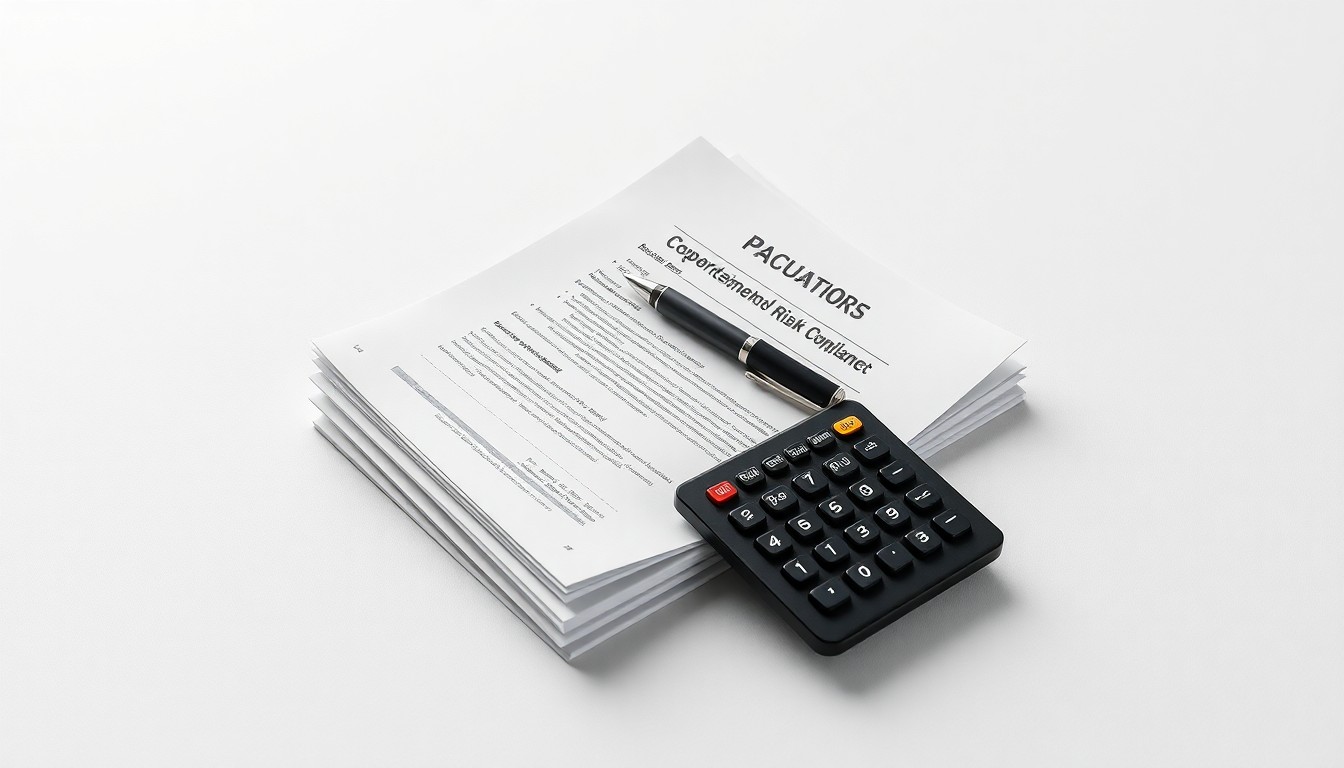 Meticulous financial records and compliance practices are essential for the long-term success and stability of any restaurant business.St. Louis Today
Running a restaurant today is more complex than ever, with rising costs and increased competition squeezing margins. But behind the scenes, another threat continues to grow - compliance risk. Payroll and sales compliance are legal obligations that carry real consequences if mishandled, and unlike other operational mistakes, compliance failures often come with penalties that cannot be negotiated away. Many restaurant owners lack awareness, have outdated systems, or try to manage everything without proper support, leading to issues like employee misclassification, wage violations, sales tax miscalculations, and more. These seemingly small mistakes can quickly compound into large liabilities, and in severe cases, even force a restaurant to close.
Why it matters
Restaurants are among the most audited industries due to factors like high cash transactions, complex payroll structures, and frequent employee turnover. Compliance failures can have a devastating financial impact through back taxes, penalties, and legal fees. They also disrupt operations, damage reputations, and undermine employee trust. Even small mistakes that start manageable can grow into major problems over time. Proper systems, technology, and professional support are critical for restaurants to stay compliant and sustainable.
The details
Common payroll compliance issues include misclassifying employees, failing to properly track hours, and mishandling payroll taxes. On the sales side, restaurants struggle with accurately collecting and remitting sales tax, reconciling online/delivery revenue streams, and managing multi-jurisdiction tax exposure. These problems are often caused by outdated systems, manual processes, and lack of real-time financial visibility. Restaurants must treat compliance as a priority, invest in professional support, conduct regular internal reviews, maintain detailed documentation, and stay informed on evolving regulations.
- The restaurant industry has faced increasing compliance challenges in recent years.
The players
St. Louis Restaurant Review
A local media publication covering the restaurant industry in the St. Louis area.
Martin Smith
The founder and Editor-in-Chief of St. Louis Restaurant Review, as well as other local media outlets.
What they’re saying
“Payroll and sales compliance are not just administrative tasks. They are legal obligations that carry real consequences if mishandled.”
— Martin Smith, Editor-in-Chief
“Ignoring payroll and sales compliance is not just risky—it undermines everything you've worked to build.”
— Martin Smith, Editor-in-Chief
What’s next
Restaurant owners should consult with accounting and compliance experts to conduct a comprehensive review of their payroll and sales tax practices, identify any gaps or risks, and implement the necessary systems and processes to ensure ongoing compliance.
The takeaway
Payroll and sales compliance are fundamental to the survival and success of every restaurant. Restaurants that take compliance seriously can operate with confidence, avoid costly disruptions, and build long-term stability, while those that don't face increasing risks, financial uncertainty, and the potential for their entire operation to be jeopardized.
St. Louis top stories



St. Louis events

Apr. 8, 2026
Voodoo J.J Cale
Apr. 9, 2026
Pert Near Sandstone & Sicard Hollow
Apr. 10, 2026
Chris D'Elia: Go For It!