- Today
- Holidays
- Birthdays
- Reminders
- Cities
- Atlanta
- Austin
- Baltimore
- Berwyn
- Beverly Hills
- Birmingham
- Boston
- Brooklyn
- Buffalo
- Charlotte
- Chicago
- Cincinnati
- Cleveland
- Columbus
- Dallas
- Denver
- Detroit
- Fort Worth
- Houston
- Indianapolis
- Knoxville
- Las Vegas
- Los Angeles
- Louisville
- Madison
- Memphis
- Miami
- Milwaukee
- Minneapolis
- Nashville
- New Orleans
- New York
- Omaha
- Orlando
- Philadelphia
- Phoenix
- Pittsburgh
- Portland
- Raleigh
- Richmond
- Rutherford
- Sacramento
- Salt Lake City
- San Antonio
- San Diego
- San Francisco
- San Jose
- Seattle
- Tampa
- Tucson
- Washington
Trump Picks Kevin Warsh as Next Federal Reserve Chair
Contentious race raises concerns over Fed's independence
Jan. 31, 2026 at 8:15pm
Got story updates? Submit your updates here. ›
The recent, intensely political appointment of Kevin Warsh as the next Federal Reserve chair, as detailed in the Financial Times, isn't just a story about Washington intrigue. It's a harbinger of a potentially seismic shift in how the US central bank operates, and a window into the evolving relationship between the presidency and monetary policy.
Why it matters
For decades, the Federal Reserve has been largely shielded from direct political interference, operating with a degree of independence considered crucial for maintaining economic stability. However, the Trump administration's approach, and the events leading up to Warsh's appointment, suggest this firewall is weakening.
The details
Warsh's background - a partner at a billionaire investor's family office, with close ties to Wall Street - signals a potential shift towards a more market-focused approach to monetary policy. This could translate into a greater emphasis on financial stability, potentially at the expense of full employment. Warsh has previously expressed concerns about the Fed's 'mission creep' and its involvement in areas beyond price stability, which could lead to a scaling back of some of the Fed's more recent initiatives, such as its climate risk analysis and its focus on addressing inequality.
- The recent, intensely political appointment of Kevin Warsh as the next Federal Reserve chair took place in February 2026.
The players
Kevin Warsh
The newly appointed Federal Reserve chair, with a background as a partner at a billionaire investor's family office and close ties to Wall Street.
Jerome Powell
The current Federal Reserve chair, whose tenure has been marked by Trump's open dissatisfaction and demands for rate cuts.
Jamie Dimon
An ally of Kevin Warsh, who has emphasized Warsh's 'markets nous' in the appointment process.
Scott Bessent
The Treasury Secretary, who has voiced skepticism about quantitative easing (QE) along with Warsh.
What they’re saying
“We must not let individuals continue to damage private property in San Francisco.”
— Robert Jenkins, San Francisco resident
What’s next
The judge in the case will decide on Tuesday whether or not to allow Walker Reed Quinn out on bail.
The takeaway
This case highlights growing concerns in the community about repeat offenders released on bail, raising questions about bail reform, public safety on SF streets, and if any special laws to govern autonomous vehicles in residential and commercial areas.
St. Louis top stories



St. Louis events

Apr. 8, 2026
Voodoo J.J Cale
Apr. 9, 2026
Pert Near Sandstone & Sicard Hollow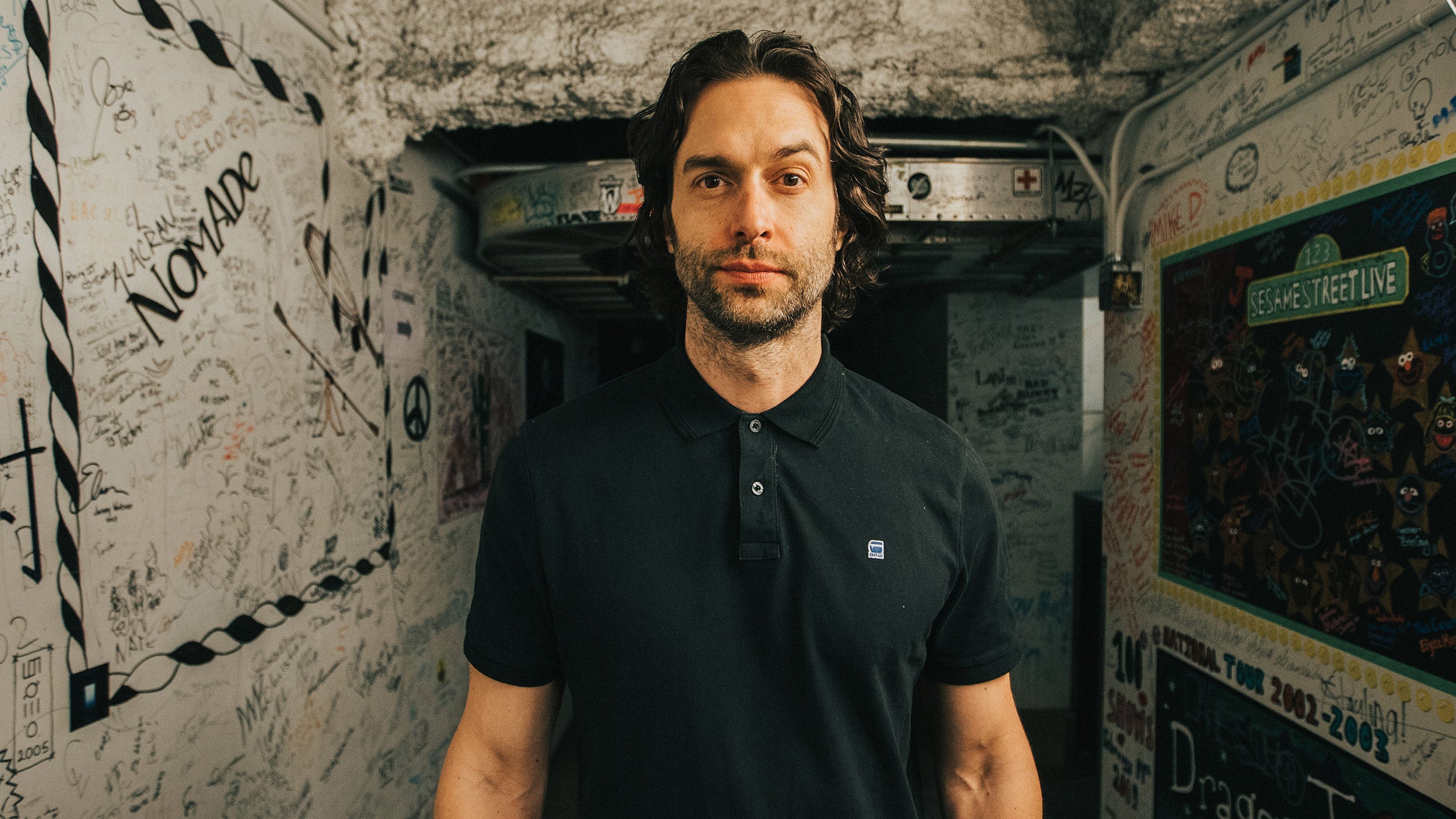
Apr. 10, 2026
Chris D'Elia: Go For It!