- Today
- Holidays
- Birthdays
- Reminders
- Cities
- Atlanta
- Austin
- Baltimore
- Berwyn
- Beverly Hills
- Birmingham
- Boston
- Brooklyn
- Buffalo
- Charlotte
- Chicago
- Cincinnati
- Cleveland
- Columbus
- Dallas
- Denver
- Detroit
- Fort Worth
- Houston
- Indianapolis
- Knoxville
- Las Vegas
- Los Angeles
- Louisville
- Madison
- Memphis
- Miami
- Milwaukee
- Minneapolis
- Nashville
- New Orleans
- New York
- Omaha
- Orlando
- Philadelphia
- Phoenix
- Pittsburgh
- Portland
- Raleigh
- Richmond
- Rutherford
- Sacramento
- Salt Lake City
- San Antonio
- San Diego
- San Francisco
- San Jose
- Seattle
- Tampa
- Tucson
- Washington
Baseball Honors Jackie Robinson's Legacy on 79th Anniversary
Every player, coach, and umpire wore Robinson's No. 42 to mark the historic day.
Apr. 16, 2026 at 6:00am
Got story updates? Submit your updates here. ›
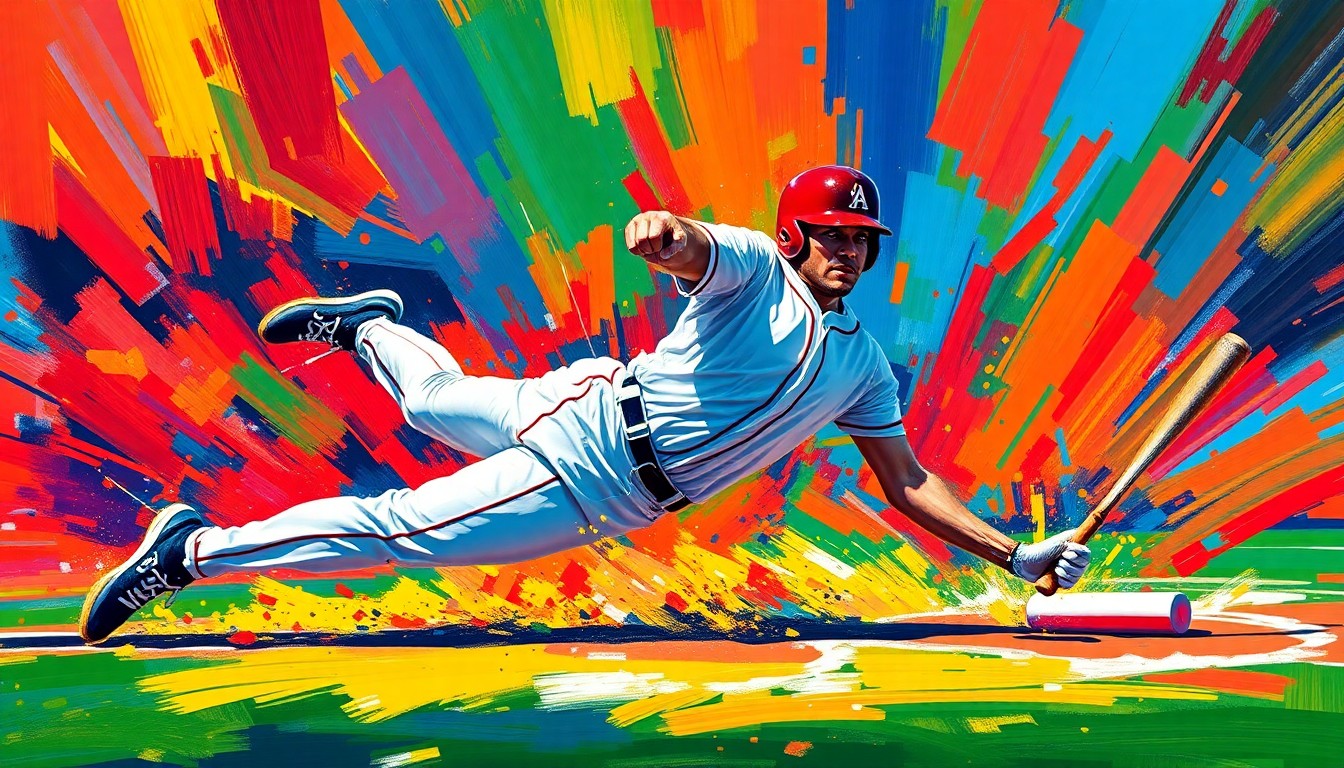 A dynamic visual tribute to Jackie Robinson's pioneering spirit and lasting impact on America's pastime.Kansas City Today
Major League Baseball honored the 79th anniversary of Jackie Robinson breaking the sport's color barrier by having every player, coach, and umpire wear his iconic No. 42 jersey. Robinson's legacy was celebrated across the league, with his widow Rachel, two granddaughters, and scholarship recipients from the Jackie Robinson Foundation in attendance at Dodger Stadium.
Why it matters
Jackie Robinson's barrier-breaking debut with the Brooklyn Dodgers in 1947 was a pivotal moment in the civil rights movement and paved the way for generations of Black athletes to play professional baseball. Honoring his legacy annually helps keep his story and impact alive.
The details
Robinson made his professional debut with the Kansas City Monarchs of the Negro Leagues in 1945 before being recruited by Dodgers general manager Branch Rickey. Rickey wanted to ensure Robinson could withstand the intense racial antagonism he would face without reacting angrily. Robinson went on to win Rookie of the Year, become a six-time All-Star, and the 1949 National League MVP, while also playing in six World Series and winning a championship in 1955.
- Jackie Robinson debuted for the Brooklyn Dodgers on April 15, 1947.
- The 79th anniversary of Robinson breaking the color barrier was celebrated on April 16, 2026.
The players
Jackie Robinson
The first Black player in the modern major leagues, who broke the color barrier when he debuted for the Brooklyn Dodgers in 1947. He went on to have a Hall of Fame career, winning Rookie of the Year, MVP, and a World Series title.
Branch Rickey
The Brooklyn Dodgers general manager who signed Jackie Robinson and helped him break the color barrier in baseball.
Bob Kendrick
The president of the Negro Leagues Baseball Museum in Kansas City, Missouri, who spoke about the significance of Jackie Robinson's legacy.
Dave Roberts
One of only two Black managers currently in Major League Baseball, who spoke about how Jackie Robinson's dream and vision of equality and unity is reflected in today's game.
Ayo Robinson
Jackie Robinson's granddaughter, who spoke about the importance of carrying on his legacy.
What they’re saying
“What he did was incredibly difficult under some of the most harsh circumstances you could ever imagine. He had to go out there and deal not only with the racial hatred but he was carrying 21 million Black folks on his back when he walked across those lines. Had he failed, an entire race of people would have failed.”
— Bob Kendrick, President, Negro Leagues Baseball Museum
“My ask is that we remember how we got here.”
— Dave Roberts, Manager
“We're really carrying the legacy now and it's an incredible honor. It's a weight that feels good because it keeps you grounded in what is so important. I feel like the legacy is just as important today as it has ever been.”
— Ayo Robinson, Jackie Robinson's Granddaughter
What’s next
The Jackie Robinson Museum in New York, which was opened in 2022, will continue to educate visitors about Robinson's life and legacy.
The takeaway
Jackie Robinson's pioneering efforts to break the color barrier in baseball 79 years ago paved the way for generations of Black athletes and helped advance the civil rights movement. Honoring his legacy annually is a powerful reminder of the progress made, while also highlighting how much work remains to be done to achieve true equality and unity in sports and society.