- Today
- Holidays
- Birthdays
- Reminders
- Cities
- Atlanta
- Austin
- Baltimore
- Berwyn
- Beverly Hills
- Birmingham
- Boston
- Brooklyn
- Buffalo
- Charlotte
- Chicago
- Cincinnati
- Cleveland
- Columbus
- Dallas
- Denver
- Detroit
- Fort Worth
- Houston
- Indianapolis
- Knoxville
- Las Vegas
- Los Angeles
- Louisville
- Madison
- Memphis
- Miami
- Milwaukee
- Minneapolis
- Nashville
- New Orleans
- New York
- Omaha
- Orlando
- Philadelphia
- Phoenix
- Pittsburgh
- Portland
- Raleigh
- Richmond
- Rutherford
- Sacramento
- Salt Lake City
- San Antonio
- San Diego
- San Francisco
- San Jose
- Seattle
- Tampa
- Tucson
- Washington
Kansas City Unveils $2 Billion Plan for Downtown Royals Stadium
Mayor Quinton Lucas proposes major public investment to keep the Royals in the heart of the city.
Apr. 12, 2026 at 3:51pm
Got story updates? Submit your updates here. ›
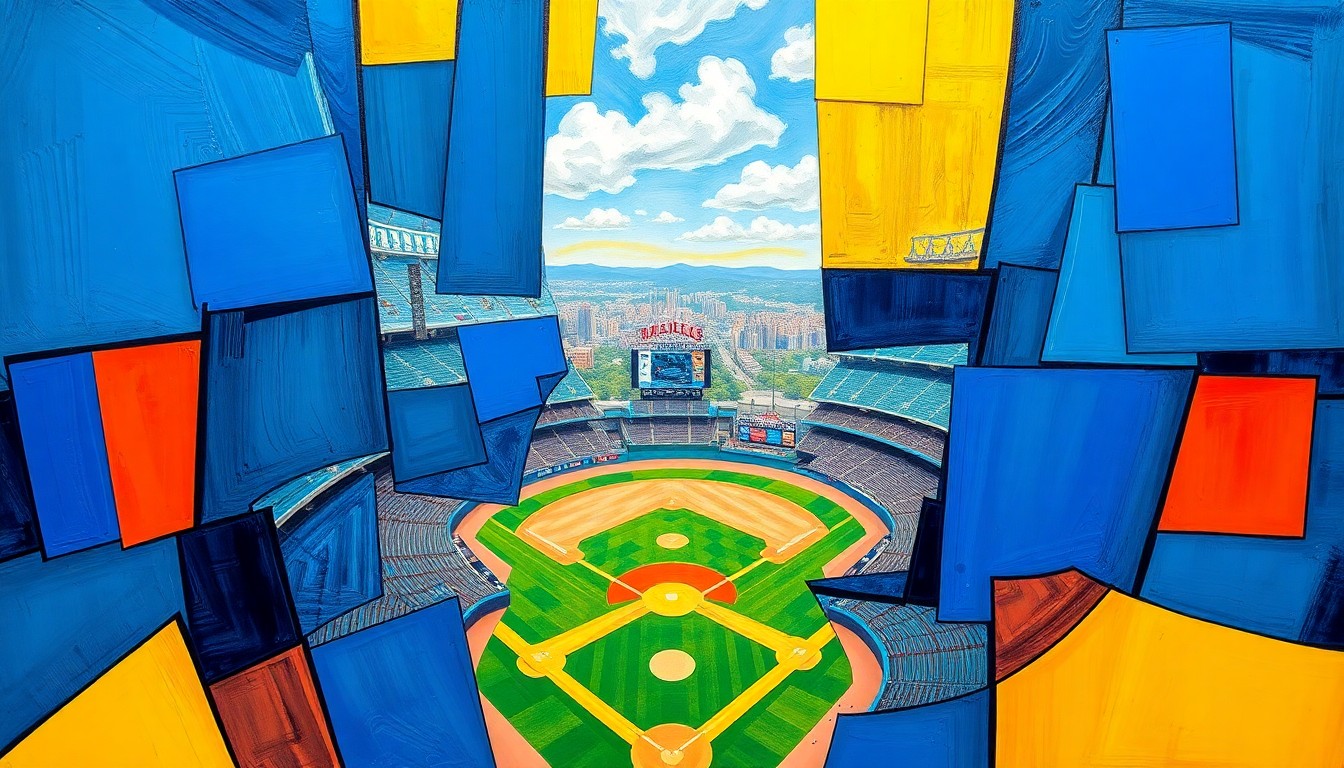 A bold new vision for Kansas City's downtown, where a cubist-inspired baseball stadium anchors a revitalized urban district.Kansas City Today
Kansas City is considering a bold $2 billion plan to build a new downtown stadium for the beloved Royals baseball team. The proposed ordinance would have the city contribute $600 million, with the state expected to cover the remaining costs. This massive investment reflects the city's commitment to retaining the Royals and transforming the Washington Square Park and Crown Center areas into a vibrant 'Downtown Baseball District'.
Why it matters
This project represents a significant bet on the power of sports to drive urban development and economic growth. If approved, the new stadium could serve as a catalyst for revitalizing Kansas City's downtown, attracting tourism, boosting local businesses, and cementing the Royals' place at the heart of the city's identity.
The details
The proposed ordinance calls for the city to contribute $600 million towards the $2 billion project, with the expectation of substantial state funding to cover the remaining costs. The new stadium would be located in the Washington Square Park and Crown Center area, creating a 'Downtown Baseball District' that could redefine the city's landscape and attract new businesses and visitors.
- The ordinance is currently under review by the Finance Committee and the Board of Parks and Recreation Commissioners.
- If approved, the city will then need to negotiate with state, federal, and county agencies to secure the necessary funding and approvals.
- The timeline for the project's completion is not yet clear, as these types of major developments often involve complex and lengthy processes.
The players
Quinton Lucas
The mayor of Kansas City, who has proposed the $2 billion downtown stadium plan.
Mike Matheny
The manager of the Kansas City Royals baseball team.
Mike Kehoe
The governor of Missouri, who has expressed support for the project and the potential state funding.
Phil LeVota
The Jackson County Executive, who has emphasized the need for public engagement and transparency in the development process.
What they’re saying
“This is a testament to the enduring appeal of baseball as a catalyst for urban development. It's a game-changer that could transform the city's landscape and its economic trajectory.”
— Quinton Lucas, Mayor of Kansas City
“The Royals recognize the role of the city's leadership in driving economic development, and we're excited to work together to make this vision a reality.”
— Mike Matheny, Manager, Kansas City Royals
“This project has the potential to be a game-changer for the state's economy and identity, and we're committed to working with the city to make it happen.”
— Mike Kehoe, Governor of Missouri
“The public engagement plan is crucial, ensuring that local businesses and residents have a voice in shaping the project. This level of community involvement is essential for any successful urban development.”
— Phil LeVota, Jackson County Executive
What’s next
The proposed ordinance will next be reviewed by the Finance Committee and the Board of Parks and Recreation Commissioners, followed by negotiations with state, federal, and county agencies to secure the necessary funding and approvals.
The takeaway
This ambitious $2 billion plan to build a new downtown stadium for the Kansas City Royals represents a bold bet on the power of sports to drive urban renewal and economic development. If approved, the project could transform the city's landscape, cement the Royals' place at the heart of the community, and serve as a model for other cities looking to leverage their sports teams as catalysts for growth.