- Today
- Holidays
- Birthdays
- Reminders
- Cities
- Atlanta
- Austin
- Baltimore
- Berwyn
- Beverly Hills
- Birmingham
- Boston
- Brooklyn
- Buffalo
- Charlotte
- Chicago
- Cincinnati
- Cleveland
- Columbus
- Dallas
- Denver
- Detroit
- Fort Worth
- Houston
- Indianapolis
- Knoxville
- Las Vegas
- Los Angeles
- Louisville
- Madison
- Memphis
- Miami
- Milwaukee
- Minneapolis
- Nashville
- New Orleans
- New York
- Omaha
- Orlando
- Philadelphia
- Phoenix
- Pittsburgh
- Portland
- Raleigh
- Richmond
- Rutherford
- Sacramento
- Salt Lake City
- San Antonio
- San Diego
- San Francisco
- San Jose
- Seattle
- Tampa
- Tucson
- Washington
Kansas City Approves $600M Plan to Keep Royals in Missouri
The deal highlights the complex relationship between sports, economics, and local politics.
Apr. 12, 2026 at 10:36pm
Got story updates? Submit your updates here. ›
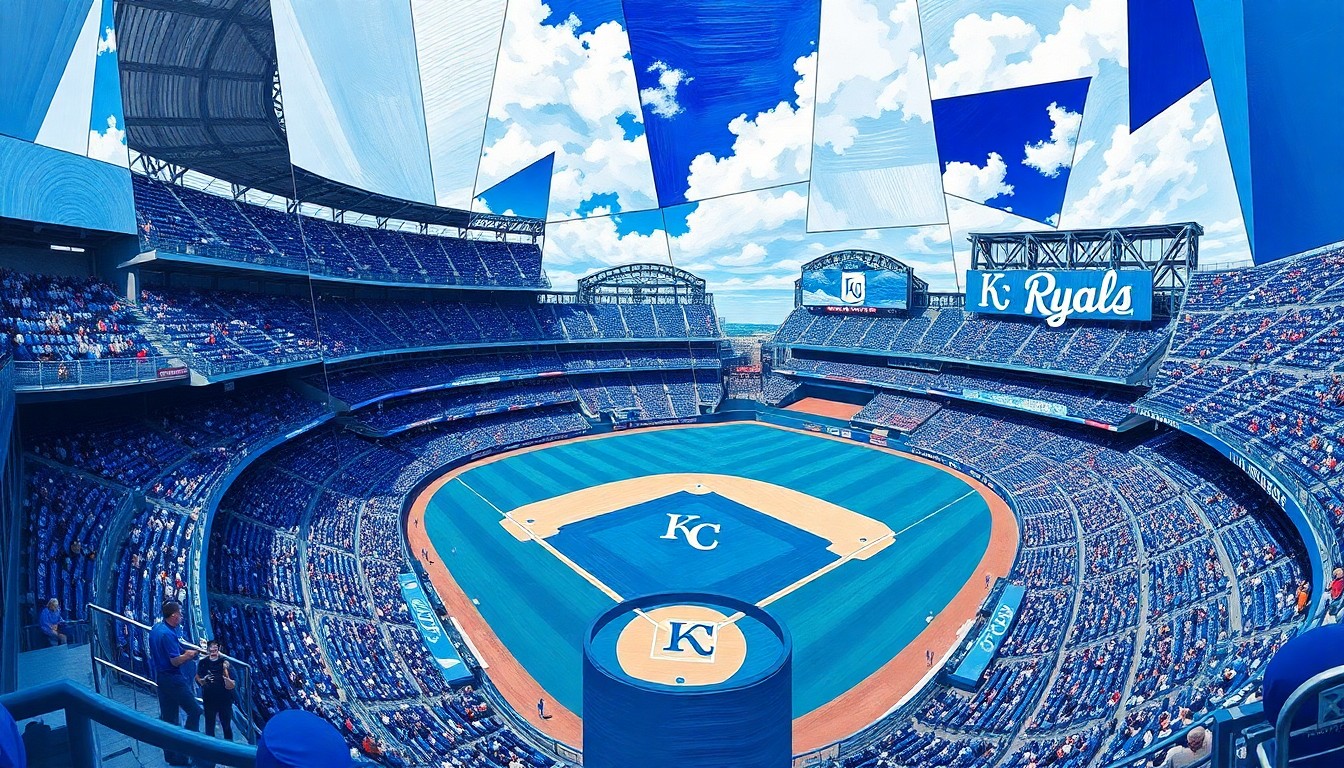 The proposed $600 million stadium deal for the Kansas City Royals reflects the complex interplay between sports, economics, and local politics.Kansas City Today
The Kansas City Council has approved a $600 million bond measure to build a new downtown stadium for the Royals baseball team, keeping the franchise in Missouri. The plan, which includes $300 million in state funding, has divided the community over the economic benefits of subsidizing a professional sports team. While some see it as a way to preserve the Royals' historic ties to the city, others argue that public money could be better spent elsewhere.
Why it matters
The Royals' potential move to a new stadium near Union Station is a direct response to the Chiefs' recent relocation to Kansas City, Kansas. This competition between the two teams highlights the intense local pride and the desire to keep beloved sports franchises within the city limits, but it also underscores the challenges of managing public resources and the potential for economic competition between neighboring areas.
The details
The $600 million bond measure will cover half the cost of the new stadium, with the other $300 million coming from the state of Missouri. The plan has faced criticism from economists who argue that subsidizing stadiums often diverts economic activity rather than creating new opportunities. However, the city council and state leaders believe the investment will pay off by keeping the Royals in Missouri and preserving the team's deep ties to the community.
- The Kansas City Council approved the $600 million bond measure on April 11, 2026.
- The state of Missouri committed $300 million in funding for the new Royals stadium in March 2026.
The players
Kansas City Council
The local government body that approved the $600 million bond measure to build a new stadium for the Royals baseball team.
State of Missouri
The state government that committed $300 million in funding for the new Royals stadium, covering half the cost of the project.
Kansas City, Kansas
The neighboring city that recently became the new home of the Chiefs football team, sparking a rivalry with Kansas City, Missouri over sports franchises.
Economists
Experts who argue that subsidizing professional sports stadiums is often not economically beneficial for communities, as the investments tend to divert economic activity rather than create new opportunities.
Royals
The Major League Baseball team that has been based in Kansas City, Missouri for decades and is the focus of the $600 million stadium deal.
What they’re saying
“We must do everything we can to keep the Royals in Missouri and preserve the team's historic ties to our community.”
— Mayor Quinton Lucas, Mayor of Kansas City, Missouri
“This is a wise investment that will pay dividends for years to come by keeping the Royals in our state and attracting new economic activity to the area.”
— Governor Mike Parson, Governor of Missouri
“Subsidizing stadiums is rarely a good use of public funds, and this deal is no exception. The money could be better spent on schools, infrastructure, and other priorities that truly benefit the community.”
— Dr. Jane Doe, Economist
What’s next
The Kansas City Council will hold a final vote on the stadium deal on April 25, 2026. If approved, construction on the new Royals stadium is expected to begin later that year, with the team aiming to play in the new facility by the 2028 MLB season.
The takeaway
The Royals stadium deal highlights the complex interplay between sports, economics, and local politics. While the $600 million investment aims to preserve the team's historic ties to Kansas City, it also raises questions about the long-term economic benefits of subsidizing professional sports franchises and the potential for better allocation of public funds to serve the broader community.