- Today
- Holidays
- Birthdays
- Reminders
- Cities
- Atlanta
- Austin
- Baltimore
- Berwyn
- Beverly Hills
- Birmingham
- Boston
- Brooklyn
- Buffalo
- Charlotte
- Chicago
- Cincinnati
- Cleveland
- Columbus
- Dallas
- Denver
- Detroit
- Fort Worth
- Houston
- Indianapolis
- Knoxville
- Las Vegas
- Los Angeles
- Louisville
- Madison
- Memphis
- Miami
- Milwaukee
- Minneapolis
- Nashville
- New Orleans
- New York
- Omaha
- Orlando
- Philadelphia
- Phoenix
- Pittsburgh
- Portland
- Raleigh
- Richmond
- Rutherford
- Sacramento
- Salt Lake City
- San Antonio
- San Diego
- San Francisco
- San Jose
- Seattle
- Tampa
- Tucson
- Washington
China's Cyborg Soldiers: The Rise of the Human-Centaur Army
A Shenzhen lab is testing a wearable hybrid that reframes physical limits—a four-legged blend of human and robot designed to haul heavy loads with less effort.
Apr. 11, 2026 at 12:55am
Got story updates? Submit your updates here. ›
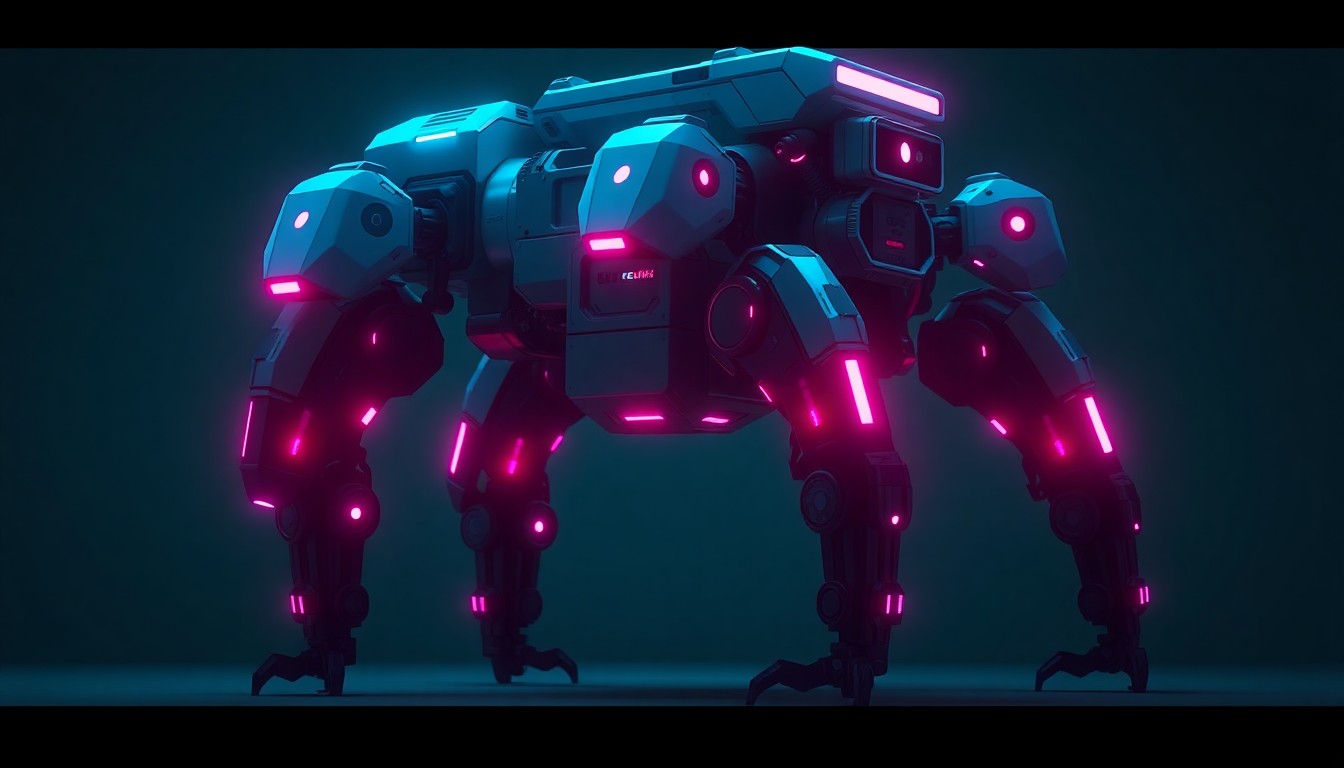 The centaur robot concept blends human and machine, raising strategic and ethical questions about the future of warfare and human augmentation.Kansas City Today
A Shenzhen lab is testing a wearable hybrid that reframes physical limits—a four-legged blend of human and robot designed to haul heavy loads with less effort. This technology signals a broader trend toward human-machine co-optimization in demanding environments, with potential applications in civilian roles like industrial, disaster response, and heavy-lift logistics.
Why it matters
The centaur concept could shift force structure, training demands, and procurement cycles for militaries, as soldiers can carry heavier loads longer with less fatigue. This raises ethical concerns around dependency, access, and the risk of escalatory dynamics in an arms race for human enhancement tech.
The details
The so-called centaur robot uses two autonomous robotic legs plus a robotic torso, connected via an elastic human-machine interface. This design favors distributed augmentation over a rigid exoskeleton, enabling better mobility and balance. The autonomous path-planning reduces cognitive load, but also demands robust fail-safes and clear human oversight.
- The centaur robot concept is currently being tested at a lab in Shenzhen, China.
The players
Shenzhen Lab
A research facility in Shenzhen, China that is testing the wearable human-robot hybrid technology known as the 'centaur robot'.
The takeaway
The centaur robot embodies a provocative pivot where the human body no longer stands alone on the battlefield, but becomes a platform for cooperative intelligence between biology and machine. This technology raises complex questions about the future of warfare, human augmentation, and the ethical governance of emerging capabilities.
Kansas City top stories



Kansas City events

Apr. 11, 2026
Kansas City Royals vs. Chicago White Sox
Apr. 11, 2026
Nitepunk
Apr. 11, 2026
Seth Meyers