- Today
- Holidays
- Birthdays
- Reminders
- Cities
- Atlanta
- Austin
- Baltimore
- Berwyn
- Beverly Hills
- Birmingham
- Boston
- Brooklyn
- Buffalo
- Charlotte
- Chicago
- Cincinnati
- Cleveland
- Columbus
- Dallas
- Denver
- Detroit
- Fort Worth
- Houston
- Indianapolis
- Knoxville
- Las Vegas
- Los Angeles
- Louisville
- Madison
- Memphis
- Miami
- Milwaukee
- Minneapolis
- Nashville
- New Orleans
- New York
- Omaha
- Orlando
- Philadelphia
- Phoenix
- Pittsburgh
- Portland
- Raleigh
- Richmond
- Rutherford
- Sacramento
- Salt Lake City
- San Antonio
- San Diego
- San Francisco
- San Jose
- Seattle
- Tampa
- Tucson
- Washington
Affordable Housing Crisis: Flat Pack & Modular Homes Offer Solutions
New construction methods could help address rising costs and supply chain disruptions
Apr. 10, 2026 at 6:06am
Got story updates? Submit your updates here. ›
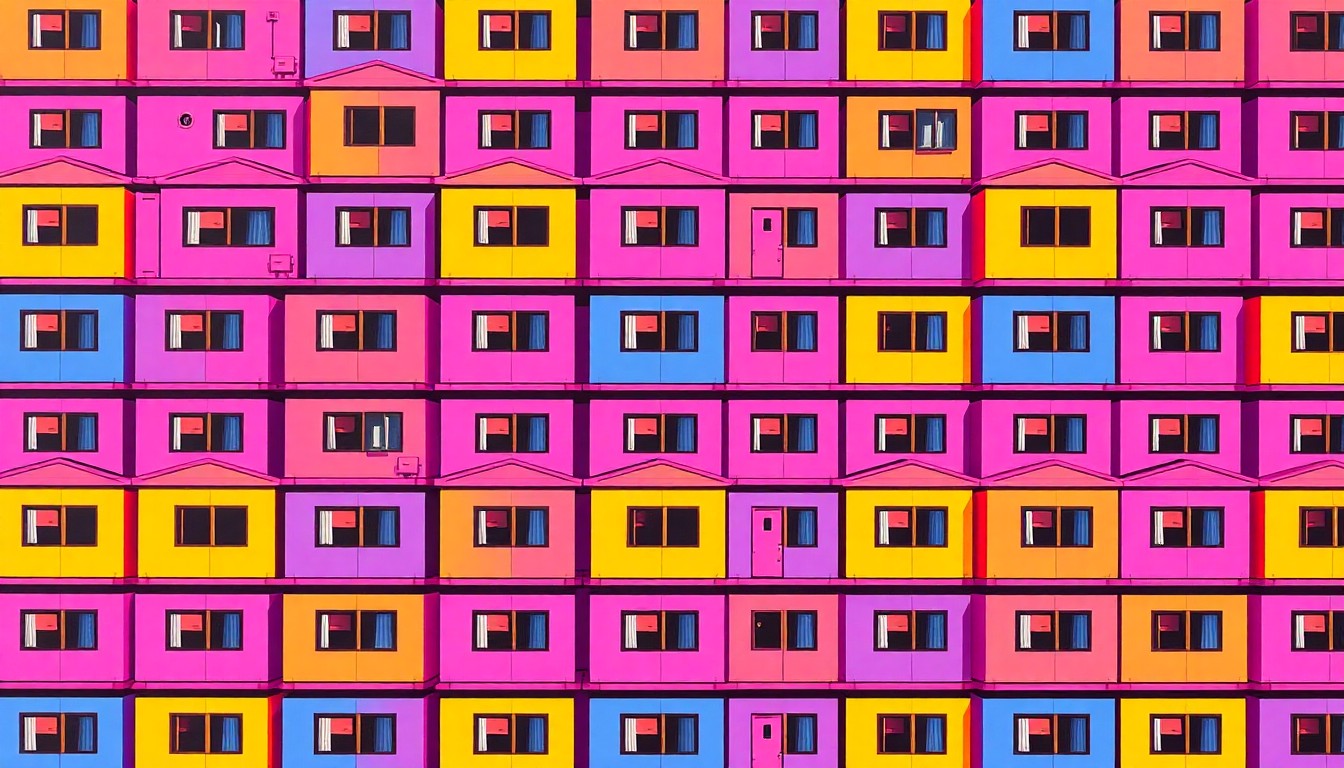 Modular and flat-pack homes offer a vibrant, adaptable solution to the housing affordability crisis, transforming the way we think about residential construction.Kansas City Today
A new housing reality is taking shape: if we want affordable homes, we may need to rethink how we build them. The traditional construction process has proven brittle in today's climate of rising costs, worker shortages, and disrupted supply chains. The industry is pivoting toward faster, more flexible options like flat-pack, modular, and tiny homes to address affordability and supply chain challenges.
Why it matters
Solving the affordability crisis requires changing the inputs and cadence of construction, not just tinkering with zoning or subsidies. Flat-pack and modular homes can reduce on-site waste, labor time, and permitting frictions, while maintaining higher construction standards and cutting unpredictability from weather, skilled-trade availability, and local labor costs.
The details
Shed House Australia's experience shows a kit-based, flat-packed shed-frame home can reach lock-up in as little as four to eight weeks and cost substantially less than a traditional build, depending on finishes. However, the variability remains high based on location, site conditions, trade availability, and finish choices. The real value is in reducing exposure to volatile labor markets and supply delays while preserving architectural quality.
- Shed House Australia's flat-pack homes can reach lock-up in 4-8 weeks.
- The housing affordability crisis has been exacerbated by rising costs and supply chain disruptions in recent years.
The players
Shed House Australia
A company that offers kit-based, flat-packed shed-frame homes as a more affordable and efficient construction option.
What’s next
Policy needs to catch up with technology, incentivizing innovative construction methods, streamlining permitting for modular units, and ensuring financing products recognize the durability and lifecycle costs of non-traditional homes.
The takeaway
Embracing alternative housing technologies, tailoring them to regional needs, and aligning policy to accelerate safe, well-designed, and cost-conscious homes can reshape how, where, and why we live. The result is not a single miracle solution, but a toolkit that has the potential to improve housing affordability.