- Today
- Holidays
- Birthdays
- Reminders
- Cities
- Atlanta
- Austin
- Baltimore
- Berwyn
- Beverly Hills
- Birmingham
- Boston
- Brooklyn
- Buffalo
- Charlotte
- Chicago
- Cincinnati
- Cleveland
- Columbus
- Dallas
- Denver
- Detroit
- Fort Worth
- Houston
- Indianapolis
- Knoxville
- Las Vegas
- Los Angeles
- Louisville
- Madison
- Memphis
- Miami
- Milwaukee
- Minneapolis
- Nashville
- New Orleans
- New York
- Omaha
- Orlando
- Philadelphia
- Phoenix
- Pittsburgh
- Portland
- Raleigh
- Richmond
- Rutherford
- Sacramento
- Salt Lake City
- San Antonio
- San Diego
- San Francisco
- San Jose
- Seattle
- Tampa
- Tucson
- Washington
Experts Reveal the Safest Way to Remove a Wasp's Nest
Plus, how to identify the types of wasps you have and prevent them from returning.
Mar. 31, 2026 at 9:30pm
Got story updates? Submit your updates here. ›
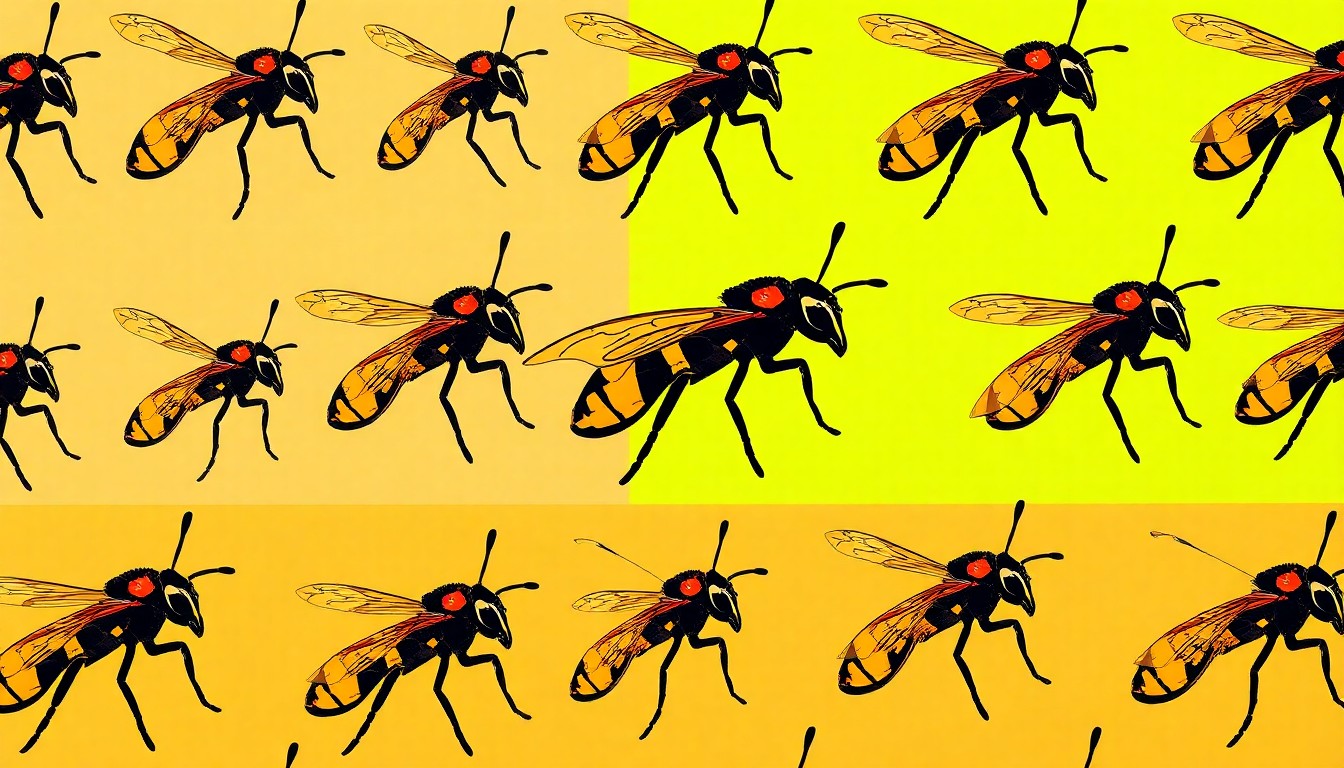 Wasps may be a common backyard nuisance, but this bold, pop art-inspired illustration captures the aggressive and territorial nature of these stinging insects.Kansas City Today
Wasps can be aggressive and their stings can be painful, so it's important to know how to safely remove a wasp's nest. Experts share the best DIY methods, like using a wasp spray or a soapy water solution, as well as when to call in a professional. They also provide tips on how to identify different types of wasps and prevent them from building nests in your yard.
Why it matters
Wasps can pose a serious threat, especially for those with allergies, so it's crucial to know how to properly and safely remove a nest. Improper removal can lead to multiple stings and put people at risk. This advice helps homeowners address wasp infestations while minimizing danger.
The details
There are two main categories of wasps: social wasps that live in nests together, and solitary wasps that are rarely dangerous. Social wasps like paper wasps, yellowjackets, and bald-faced hornets are the most aggressive and likely to sting. Their nests can be found in various locations around the home, from porch ceilings to gutters. Experts recommend using a wasp spray that can be applied from a distance, or a DIY soapy water solution, to treat the nest. Larger nests, like those of bald-faced hornets, are best left to professionals. After treating the nest, it should be removed while wearing protective clothing in case any wasps remain. Cleaning the area can also help prevent wasps from returning.
- Wasp aggression peaks between August and October.
The players
Alexander Gray
The district manager of the Kansas City–based Trutech Wildlife Service.
Bryan McGee
The grounds manager of pest control for SSC Services for Education, which provides grounds management services for K-12 and higher education institutions across the U.S.
Dan 'The Bug Man' Latini
The owner of Dan Can Home Services in New Jersey, whose main service is pest control.
Joe Malinowski
The vice president of pest management at Pest Authority and Mosquito Authority.
Aldo Ceja
A home expert at Thumbtack.
What they’re saying
“The biggest concern is the stings. Simply passing too close to a wasp nest can trigger an attack as the pests are very aggressive.”
— Alexander Gray, district manager
“Yellowjackets, especially when they're burrowed in the ground, are usually best left to professionals to treat.”
— Dan 'The Bug Man' Latini, pest control expert
“Because bald-faced hornet nests are so large, and it's not likely you can spray into them, you'll need to call in a professional to get rid of this wasp's nest.”
— Joe Malinowski, vice president of pest management
What’s next
If you discover a large wasp nest between August and October, when their aggression peaks, it's best to call in a professional exterminator to safely remove it.
The takeaway
Properly identifying the type of wasp and the size of the nest is crucial to determining the safest removal method. DIY solutions can work for smaller nests, but larger or more aggressive wasp colonies are best left to the experts to avoid the risk of multiple stings.
Kansas City top stories



Kansas City events

Apr. 4, 2026
Brad Williams: The Tall Tales Tour
Apr. 7, 2026
Stereophonic (Touring)
Apr. 8, 2026
Stereophonic (Touring)