- Today
- Holidays
- Birthdays
- Reminders
- Cities
- Atlanta
- Austin
- Baltimore
- Berwyn
- Beverly Hills
- Birmingham
- Boston
- Brooklyn
- Buffalo
- Charlotte
- Chicago
- Cincinnati
- Cleveland
- Columbus
- Dallas
- Denver
- Detroit
- Fort Worth
- Houston
- Indianapolis
- Knoxville
- Las Vegas
- Los Angeles
- Louisville
- Madison
- Memphis
- Miami
- Milwaukee
- Minneapolis
- Nashville
- New Orleans
- New York
- Omaha
- Orlando
- Philadelphia
- Phoenix
- Pittsburgh
- Portland
- Raleigh
- Richmond
- Rutherford
- Sacramento
- Salt Lake City
- San Antonio
- San Diego
- San Francisco
- San Jose
- Seattle
- Tampa
- Tucson
- Washington
MLB Faces Pivotal Period Amid Looming Labor Dispute, Media Shifts
League navigates expiring CBA, changing broadcast landscape, and potential structural changes
Mar. 29, 2026 at 9:51pm
Got story updates? Submit your updates here. ›
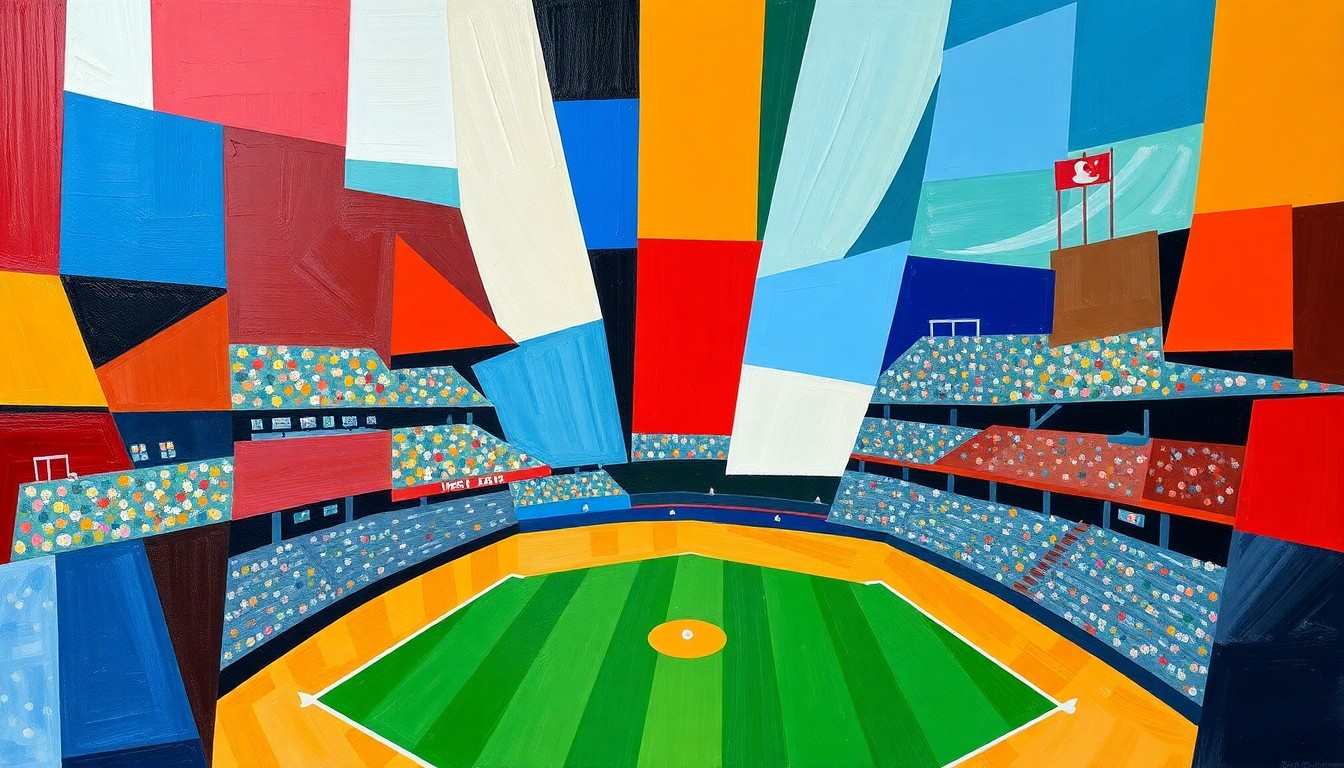 A cubist interpretation of the complex forces shaping the future of Major League Baseball.Kansas City Today
Major League Baseball is entering a pivotal period marked by an expiring collective bargaining agreement, a rapidly changing media landscape, and potential structural changes that could reshape the sport for decades. The league faces a looming labor dispute with the MLB Players Association, which is expected to result in a lockout when negotiations begin. Meanwhile, MLB is taking more control of its media rights, launching team-operated channels and exploring a national streaming offering. The league is also considering expanding to 32 teams and realigning the traditional American and National League structure.
Why it matters
These changes will have a significant impact on the future of baseball. A labor dispute could disrupt the sport, while the media shifts will alter how fans consume the game. Structural changes like expansion and realignment could fundamentally change the competitive landscape of MLB.
The details
The current collective bargaining agreement between MLB and the MLBPA expires at the end of the 2026 season. Owners are expected to push for a salary cap, which the players union has historically opposed. The MLBPA's interim executive director, Bruce Meyer, anticipates a lockout is 'all but guaranteed' when negotiations begin. Meanwhile, one-third of MLB teams lacked local TV deals for the 2026 season until recently, as regional sports networks faced financial difficulties. In response, nine teams have launched MLB-operated channels, and the Atlanta Braves are launching their own network. MLB's goal is to control the rights to all 30 teams by the end of 2028, enabling the league to package in-market local games as a national streaming offering. Additionally, MLB's national media rights agreements with NBC, ESPN, Fox, and CBS/Turner expire at the end of 2028, presenting an opportunity for the league to renegotiate deals or explore new partnerships, particularly with streaming services.
- The current collective bargaining agreement between MLB and the MLBPA expires at the end of the 2026 season.
- MLB's national media rights agreements with NBC, ESPN, Fox, and CBS/Turner expire at the end of 2028.
The players
Rob Manfred
The Commissioner of Major League Baseball, who is backing owners' push for a salary cap.
Bruce Meyer
The Interim Executive Director of the Major League Baseball Players Association, who anticipates a lockout is 'all but guaranteed' when CBA negotiations begin.
What they’re saying
“A lockout is all but guaranteed when negotiations begin.”
— Bruce Meyer, Interim Executive Director, Major League Baseball Players Association
“The ultimate goal is to control the rights to all 30 teams by the end of 2028, enabling the league to package in-market local games as a national streaming offering.”
— Rob Manfred, Commissioner, Major League Baseball
What’s next
The outcome of the CBA negotiations between MLB and the MLBPA will have a significant impact on the future of the sport. Additionally, the league's efforts to gain more control over its media rights and explore new distribution models will shape how fans consume baseball in the coming years.
The takeaway
Major League Baseball is facing a pivotal period that will determine the sport's direction for decades to come. The looming labor dispute, shifting media landscape, and potential structural changes all have the potential to significantly impact the game, its players, and its fans.
Kansas City top stories


Kansas City events

Apr. 5, 2026
Krooked Kings

Apr. 5, 2026
Jarv x RDGLDGRN