- Today
- Holidays
- Birthdays
- Reminders
- Cities
- Atlanta
- Austin
- Baltimore
- Berwyn
- Beverly Hills
- Birmingham
- Boston
- Brooklyn
- Buffalo
- Charlotte
- Chicago
- Cincinnati
- Cleveland
- Columbus
- Dallas
- Denver
- Detroit
- Fort Worth
- Houston
- Indianapolis
- Knoxville
- Las Vegas
- Los Angeles
- Louisville
- Madison
- Memphis
- Miami
- Milwaukee
- Minneapolis
- Nashville
- New Orleans
- New York
- Omaha
- Orlando
- Philadelphia
- Phoenix
- Pittsburgh
- Portland
- Raleigh
- Richmond
- Rutherford
- Sacramento
- Salt Lake City
- San Antonio
- San Diego
- San Francisco
- San Jose
- Seattle
- Tampa
- Tucson
- Washington
Landmark Documentary 'Law and Order' Celebrates 50 Years
Frederick Wiseman's 1969 film on the Kansas City police department to be featured in retrospective
Feb. 28, 2026 at 11:04am
Got story updates? Submit your updates here. ›
In 1968, acclaimed documentary filmmaker Frederick Wiseman trained his cameras on the Kansas City, Missouri police department, capturing their everyday routines and the complex relationship between the mostly white officers and the predominantly African-American community they served. The resulting film, "Law and Order," went on to win an Emmy Award as the Best News Documentary in 1969 and is now being featured as part of a yearlong retrospective honoring Wiseman's enduring legacy.
Why it matters
Wiseman's "Law and Order" provided a rare, unvarnished look at policing in America during a turbulent era marked by civil unrest and racial tensions. The film's nuanced portrayal of the police force's essential yet complicated role in the criminal justice system remains relevant today as debates around law enforcement, community relations, and social equity continue.
The details
"Law and Order" documents a wide range of police work, from enforcing the law and maintaining order to providing general social services. Wiseman refused to oversimplify the interactions between the mostly white officers and the predominantly African-American suspects, instead illustrating how factors like training, community expectations, socioeconomic status, the threat of violence, and officer discretion all influence police behavior.
- The film was produced in 1968, in the wake of the race riots that had swept the country that year.
- "Law and Order" won an Emmy Award as the Best News Documentary in 1969.
- The film is now being featured as part of a yearlong retrospective honoring the late, great filmmaker Frederick Wiseman at Digital Gym Cinema.
The players
Frederick Wiseman
An acclaimed documentary filmmaker known for his nuanced, observational style. "Law and Order" is considered one of his most important works.
Kansas City Police Department
The police force that Wiseman trained his cameras on, capturing their everyday routines and the complex relationship between the mostly white officers and the predominantly African-American community they served.
What’s next
The retrospective honoring Frederick Wiseman's work at Digital Gym Cinema will continue throughout the year, featuring screenings of his other landmark documentaries.
The takeaway
Wiseman's "Law and Order" remains a powerful and relevant exploration of the complexities of policing in America, offering a nuanced perspective that continues to resonate decades later as communities grapple with issues of law enforcement, social equity, and the role of the criminal justice system.
Kansas City top stories

Kansas City events
Apr. 7, 2026
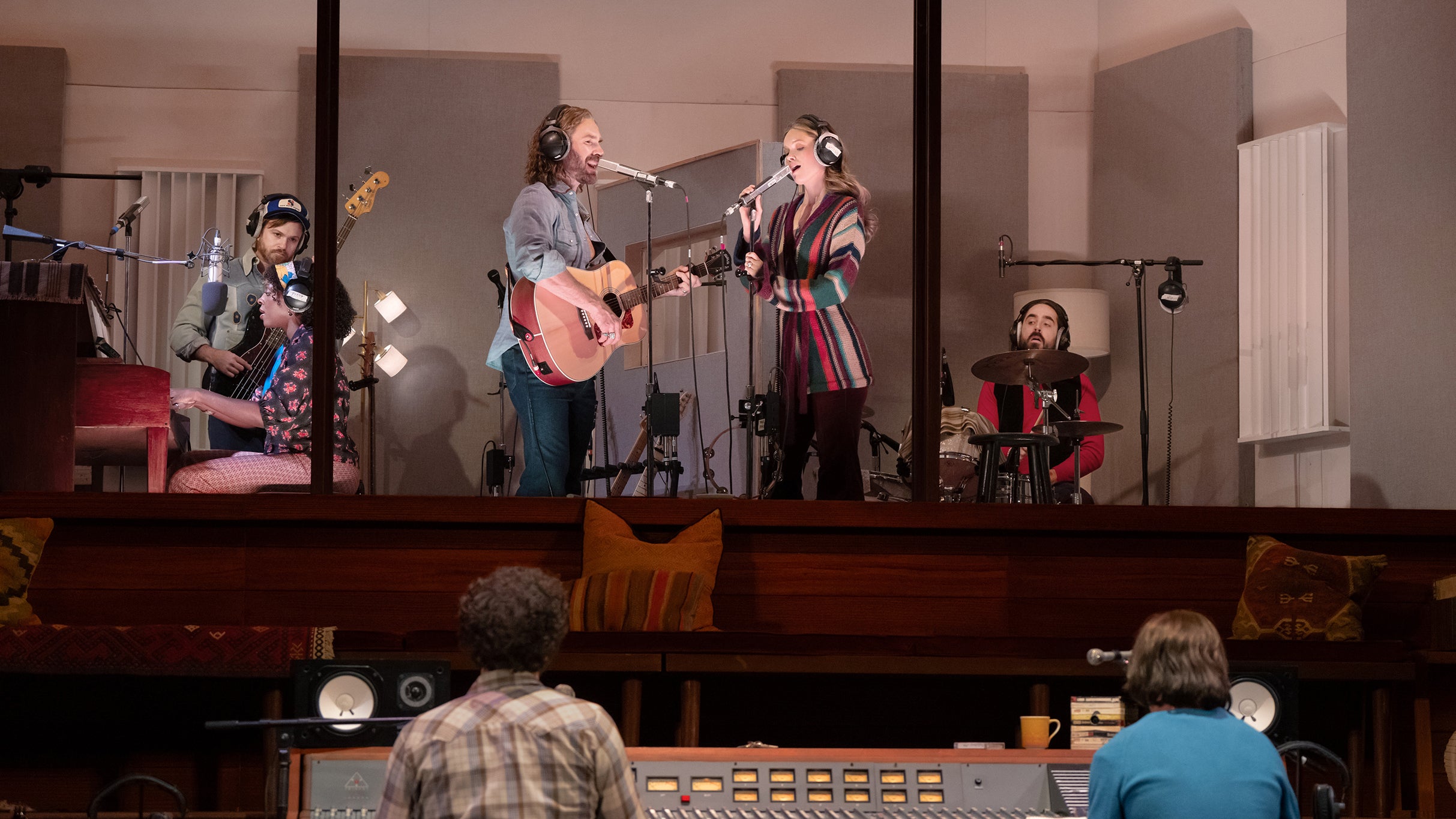
Stereophonic (Touring)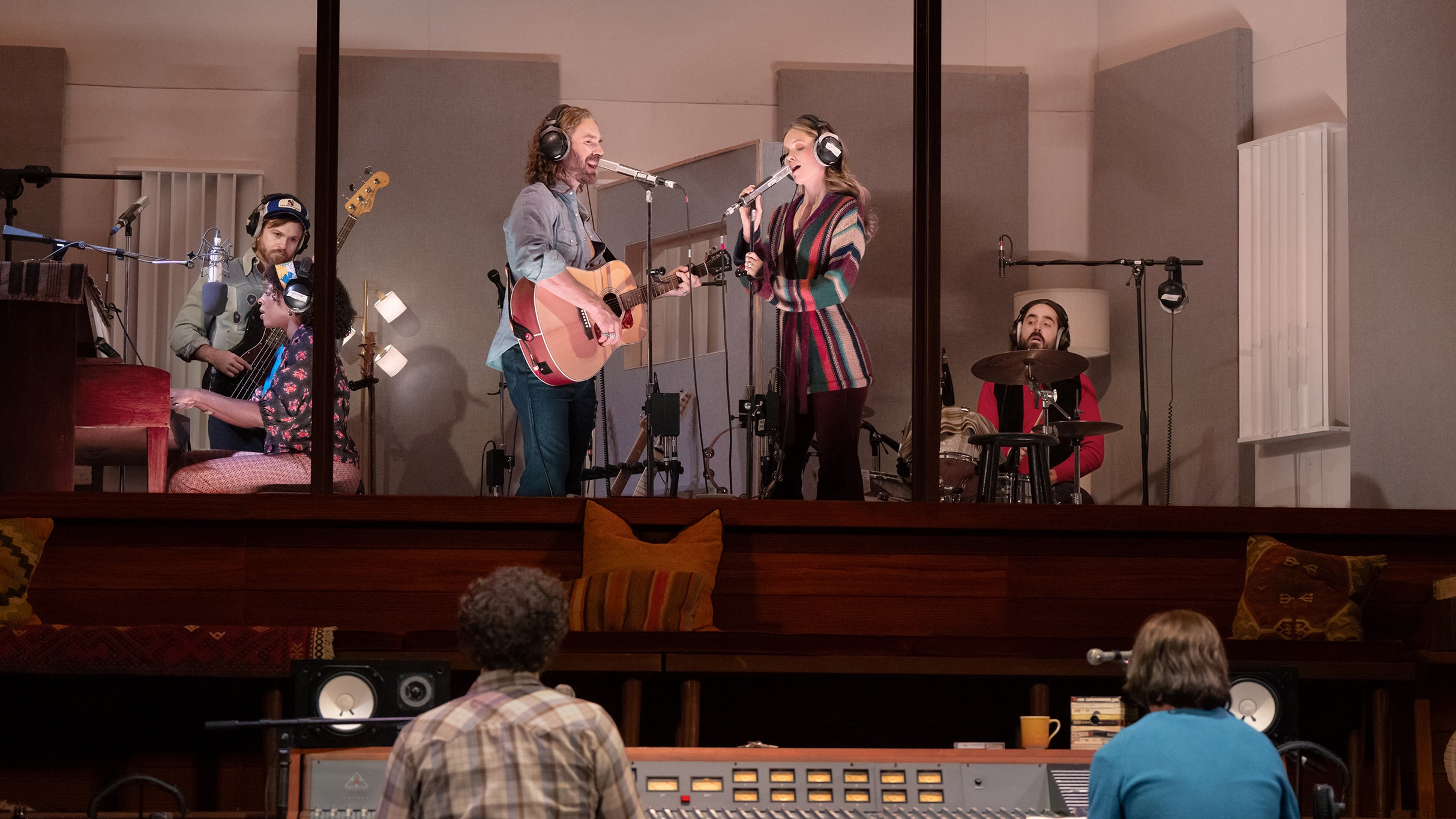
Apr. 8, 2026
Stereophonic (Touring)
Apr. 8, 2026
Tommy Emmanuel CGP - Living In The Light Tour