- Today
- Holidays
- Birthdays
- Reminders
- Cities
- Atlanta
- Austin
- Baltimore
- Berwyn
- Beverly Hills
- Birmingham
- Boston
- Brooklyn
- Buffalo
- Charlotte
- Chicago
- Cincinnati
- Cleveland
- Columbus
- Dallas
- Denver
- Detroit
- Fort Worth
- Houston
- Indianapolis
- Knoxville
- Las Vegas
- Los Angeles
- Louisville
- Madison
- Memphis
- Miami
- Milwaukee
- Minneapolis
- Nashville
- New Orleans
- New York
- Omaha
- Orlando
- Philadelphia
- Phoenix
- Pittsburgh
- Portland
- Raleigh
- Richmond
- Rutherford
- Sacramento
- Salt Lake City
- San Antonio
- San Diego
- San Francisco
- San Jose
- Seattle
- Tampa
- Tucson
- Washington
Joplin Today
By the People, for the People
Utilities Challenge Competitive Bidding for Transmission Lines
OGE and Empire District Electric join complaint seeking to suspend FERC's competitive solicitation policy
Apr. 8, 2026 at 8:53pm
Got story updates? Submit your updates here. ›
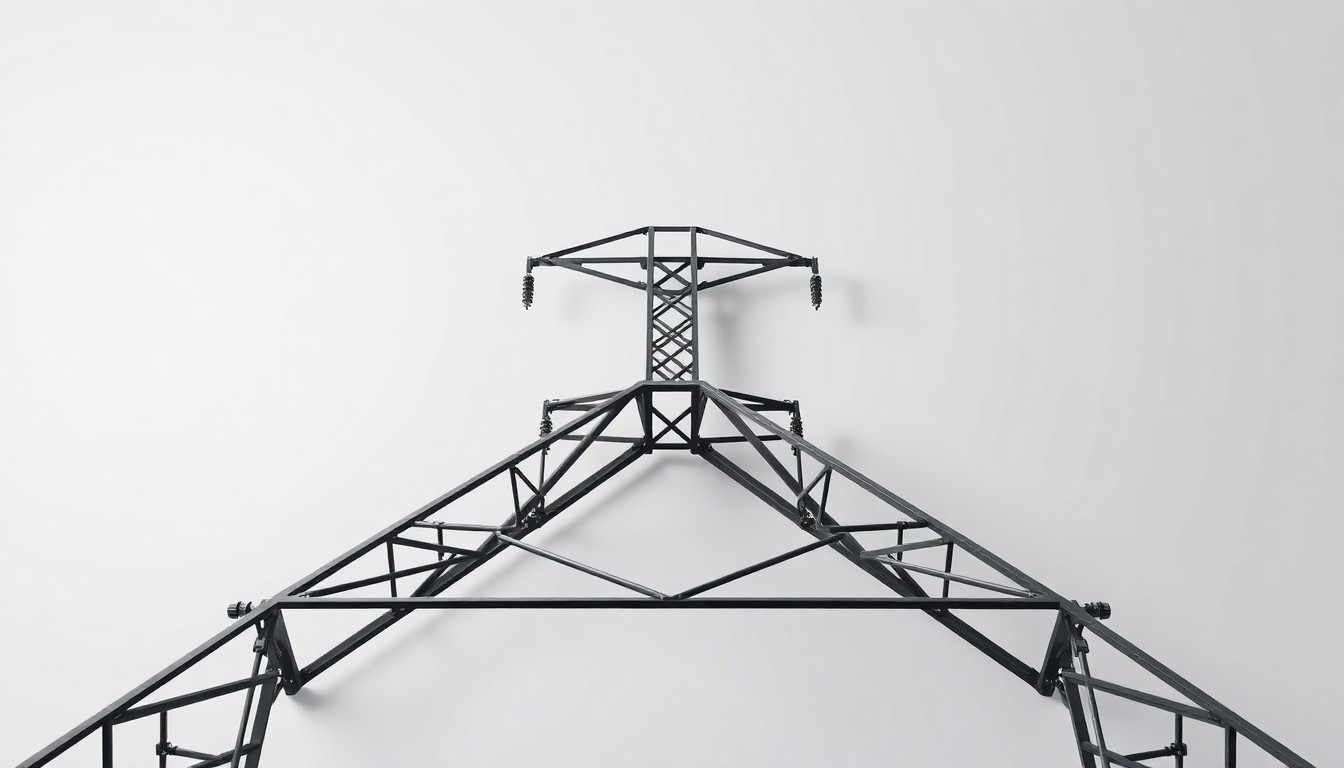 A gleaming transmission tower pylon stands as a symbol of the high-stakes regulatory battle over the future of the nation's power grid.Joplin Today
Nine utilities, including Oklahoma Gas and Electric (OGE) and Empire District Electric Company, have filed a complaint with the Federal Energy Regulatory Commission (FERC) seeking to temporarily suspend the competitive bidding requirement for new high-voltage power line projects across 18 states. The utilities argue the competitive process adds significant delays and costs for consumers, and goes against the Trump administration's 'Speed to Power' initiative to rapidly build out the grid for data centers and AI development.
Why it matters
The request, if approved, could impact nearly 910,000 customers in Oklahoma and western Arkansas served by OGE, as well as around 4,800 retail electric customers in Oklahoma served by Empire District Electric. The utilities claim the competitive bidding process adds 16-20 months to project timelines, undermining efforts to quickly expand the grid to support new power demands from data centers and emerging technologies.
The details
The list of utilities filing the complaint includes ITC Transmission, Ameren Services, American Transmission, Cleco Power, Entergy Services, Evergy, OGE, Empire District Electric, and Xcel Energy Services. They argue the competitive bidding requirement in FERC's Order 1000 adds significant delays and costs for consumers, going against the administration's 'Speed to Power' initiative to rapidly build out the grid for data centers and AI. The utilities say they have an 'obligation to serve' these new power demands, which the competitive process is interrupting.
- The utilities filed the complaint with FERC on Tuesday, April 8, 2026.
The players
Oklahoma Gas & Electric Co.
A major utility serving nearly 910,000 customers in Oklahoma and western Arkansas.
The Empire District Electric Company
A utility company based in Joplin, Missouri that serves approximately 4,800 retail electric customers in Oklahoma, as well as customers in Missouri, Kansas, and Arkansas.
Federal Energy Regulatory Commission (FERC)
The federal agency that regulates the interstate transmission of electricity, natural gas, and oil.
Southwest Power Pool (SPP)
A regional transmission organization that manages the electric grid and wholesale power market for a 14-state region, including Oklahoma.
Midcontinent Independent System Operator (MISO)
A regional transmission organization that manages the electric grid and wholesale power market for 15 U.S. states and the Canadian province of Manitoba.
What they’re saying
“There are demands that are unprecedented, that are well-documented, that are on all of our systems, and we have an obligation to serve, and the competitive process is interrupting that obligation.”
— Davis Strobridge, Director of Regulatory Strategy, ITC
“The delays in construction of the transmission lines does not merely shift the timeline; it fundamentally degrades U.S. competitiveness during the period most likely to prove decisive.”
— Dean Ball, Senior Fellow, Foundation for American Innovation
What’s next
FERC will review the utilities' complaint and determine whether to temporarily suspend the competitive bidding requirement for new transmission line projects across the SPP and MISO regions.
The takeaway
This challenge to FERC's competitive bidding policy highlights the tensions between utilities' obligations to rapidly expand the grid versus the added costs and delays introduced by the competitive process. The outcome could have significant implications for grid modernization efforts and the race to build infrastructure to support emerging technologies like AI.
Joplin top stories

Joplin events

Apr. 18, 2026
Extreme Dwarfanator Wrestling