- Today
- Holidays
- Birthdays
- Reminders
- Cities
- Atlanta
- Austin
- Baltimore
- Berwyn
- Beverly Hills
- Birmingham
- Boston
- Brooklyn
- Buffalo
- Charlotte
- Chicago
- Cincinnati
- Cleveland
- Columbus
- Dallas
- Denver
- Detroit
- Fort Worth
- Houston
- Indianapolis
- Knoxville
- Las Vegas
- Los Angeles
- Louisville
- Madison
- Memphis
- Miami
- Milwaukee
- Minneapolis
- Nashville
- New Orleans
- New York
- Omaha
- Orlando
- Philadelphia
- Phoenix
- Pittsburgh
- Portland
- Raleigh
- Richmond
- Rutherford
- Sacramento
- Salt Lake City
- San Antonio
- San Diego
- San Francisco
- San Jose
- Seattle
- Tampa
- Tucson
- Washington
Hermann Today
By the People, for the People
Trump's White House Ballroom Construction: Legal Battle & National Security Concerns
The recent legal battle over President Trump's plan to build a massive ballroom at the White House reveals tensions over presidential power, historical preservation, and national security.
Apr. 12, 2026 at 6:40am
Got story updates? Submit your updates here. ›
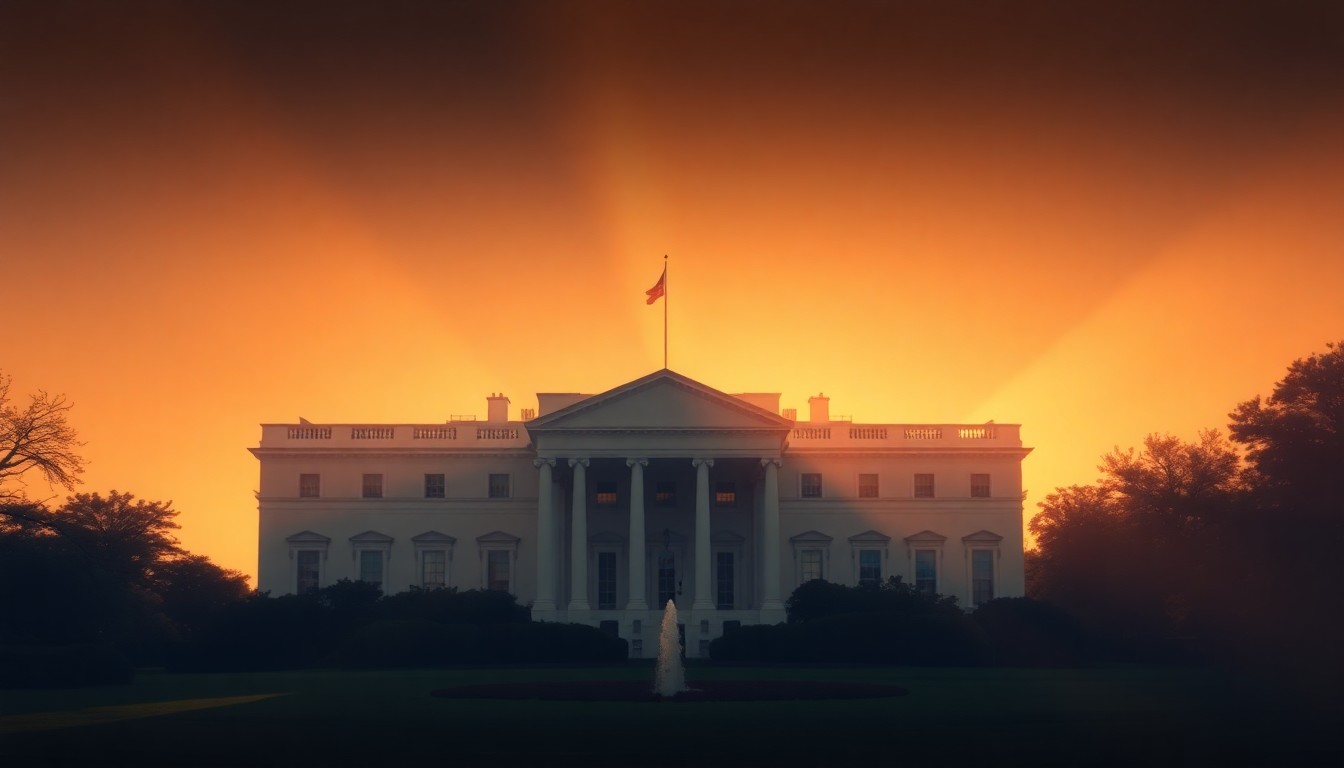 The proposed White House ballroom construction casts a long shadow over the historic mansion, exposing the clash between presidential ambition and the preservation of America's most iconic residence.Hermann Today
The White House Ballroom saga is more than just a story about construction - it's a glimpse into the intersection of presidential power, historical preservation, and national security. At the heart of the conflict is the question of whether the President has unilateral authority to reshape the White House or if such decisions require congressional approval. The administration has framed the project as a national security necessity, but critics argue it's more about legacy than necessity. The clash between progress and preservation highlights broader concerns about the erosion of checks and balances.
Why it matters
This case is not just about a ballroom, but about the limits of presidential power and the role of Congress in safeguarding the nation's historical landmarks. If the project moves forward without approval, it sets a dangerous precedent that could allow future presidents to reshape the White House at will, with little regard for preservation or oversight.
The details
The proposed ballroom would be a massive 89,000 square foot addition, larger than the Executive Mansion itself. The administration claims it's necessary for security upgrades, but the National Trust for Historic Preservation argues the ballroom is unnecessary. The legal battle has centered on whether Trump has the authority to bypass Congress and proceed with construction. An appeals court has temporarily allowed the project to move forward, but the judges have emphasized the need for a closer examination of the security claims.
- The legal battle over the ballroom construction began in 2026.
- An appeals court recently issued a temporary ruling allowing construction to proceed.
The players
President Donald Trump
The current President of the United States who is pushing for the construction of a massive ballroom at the White House.
National Trust for Historic Preservation
A nonprofit organization that has argued the ballroom is unnecessary and would damage the historical integrity of the White House.
National Capital Planning Commission
The federal agency that oversees development in the nation's capital, which has a Trump-appointed chair who has voiced support for the ballroom project.
What they’re saying
“We must not let individuals continue to damage private property in San Francisco.”
— Robert Jenkins, San Francisco resident
“Fifty years is such an accomplishment in San Francisco, especially with the way the city has changed over the years.”
— Gordon Edgar, grocery employee
What’s next
The judge in the case will decide on Tuesday whether or not to allow Walker Reed Quinn out on bail.
The takeaway
This case highlights growing concerns in the community about repeat offenders released on bail, raising questions about bail reform, public safety on SF streets, and if any special laws to govern autonomous vehicles in residential and commercial areas.