- Today
- Holidays
- Birthdays
- Reminders
- Cities
- Atlanta
- Austin
- Baltimore
- Berwyn
- Beverly Hills
- Birmingham
- Boston
- Brooklyn
- Buffalo
- Charlotte
- Chicago
- Cincinnati
- Cleveland
- Columbus
- Dallas
- Denver
- Detroit
- Fort Worth
- Houston
- Indianapolis
- Knoxville
- Las Vegas
- Los Angeles
- Louisville
- Madison
- Memphis
- Miami
- Milwaukee
- Minneapolis
- Nashville
- New Orleans
- New York
- Omaha
- Orlando
- Philadelphia
- Phoenix
- Pittsburgh
- Portland
- Raleigh
- Richmond
- Rutherford
- Sacramento
- Salt Lake City
- San Antonio
- San Diego
- San Francisco
- San Jose
- Seattle
- Tampa
- Tucson
- Washington
Hermann Today
By the People, for the People
High-Intensity Exercise Linked to Heart Risks for Older Athletes
Study finds long-term, high-intensity training may increase heart rhythm disorders and coronary artery calcification in athletes over 35.
Apr. 11, 2026 at 6:11am
Got story updates? Submit your updates here. ›
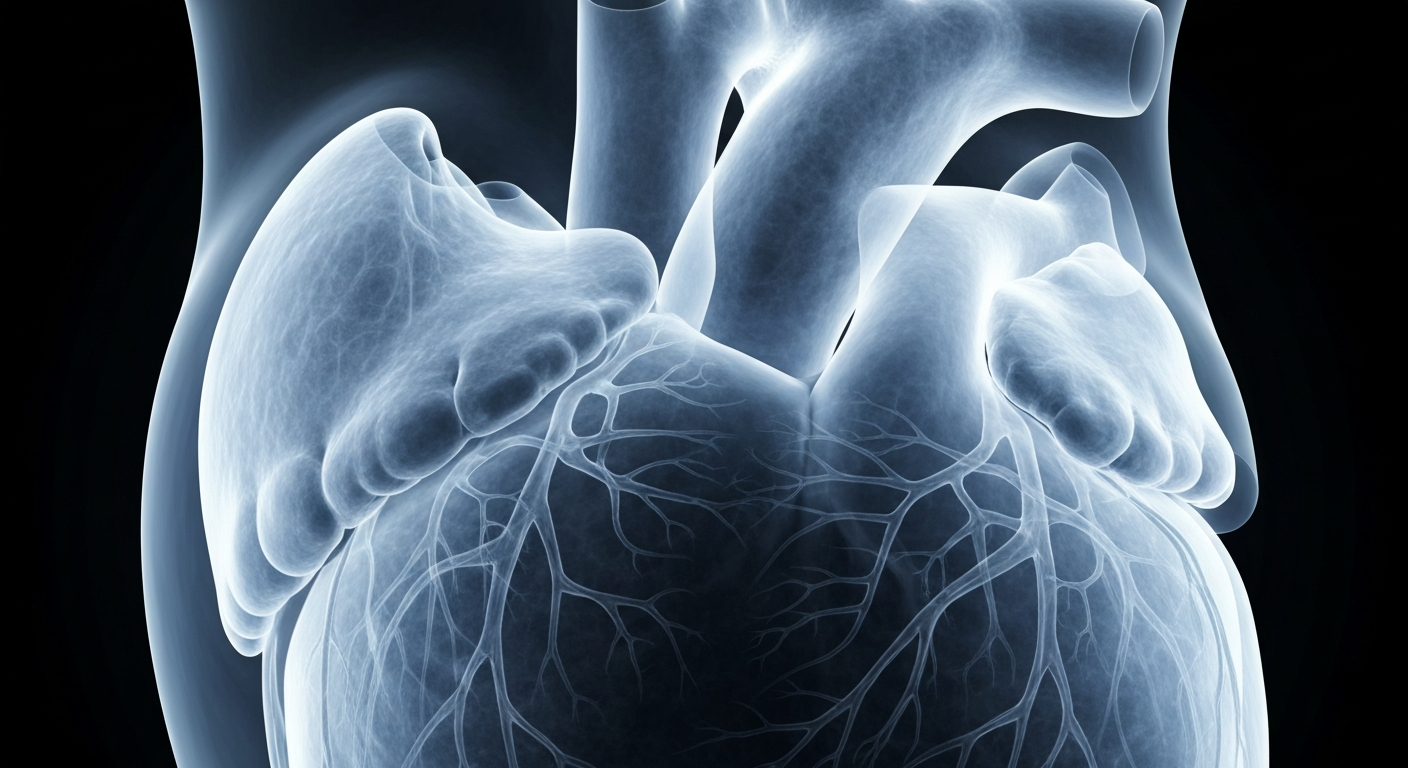 A revealing X-ray view of the heart underscores the complex relationship between extreme exercise and cardiovascular health.Hermann Today
A recent study has found that long-term, high-intensity exercise, defined as activity that leaves you gasping for breath and unable to hold a conversation, may increase the risk of heart rhythm disorders and coronary artery calcification in athletes aged 35 and older. This challenges the common belief that more exercise is always better for health, suggesting there is a tipping point where the benefits plateau and the risks begin to rise.
Why it matters
This study complicates the narrative around exercise and aging, showing that even athletes are not immune to cardiovascular risks. It raises questions about how we approach fitness, especially as we get older, and highlights the need for more personalized guidance on exercise intensity and duration.
The details
Researchers from Radboudumc and other international institutions found that athletes with 5-10 years of high-intensity training face higher rates of heart rhythm disorders and coronary artery calcification. Exercise physiologist Thijs Eijsvogels notes the sweet spot for maximum health benefits is around 3-5 hours of exercise per week, and beyond that, the gains plateau and the risks begin to creep in. The study also warns that an unexplained decline in athletic performance could be a red flag for underlying heart issues.
- The study was published in April 2026.
The players
Thijs Eijsvogels
An exercise physiologist who contributed to the study.
Radboudumc
A medical center in the Netherlands where the study was conducted.
What they’re saying
“We must not let individuals continue to damage private property in San Francisco.”
— Robert Jenkins, San Francisco resident
“Fifty years is such an accomplishment in San Francisco, especially with the way the city has changed over the years.”
— Gordon Edgar, grocery employee
What’s next
The study has already sparked updated guidelines from European and American cardiology associations, emphasizing shared decision-making between doctors and athletes on exercise intensity.
The takeaway
This study suggests the future of fitness may be less about pushing harder and more about pushing smarter, with a focus on tailored care and finding the right balance between ambition and caution as we age.