- Today
- Holidays
- Birthdays
- Reminders
- Cities
- Atlanta
- Austin
- Baltimore
- Berwyn
- Beverly Hills
- Birmingham
- Boston
- Brooklyn
- Buffalo
- Charlotte
- Chicago
- Cincinnati
- Cleveland
- Columbus
- Dallas
- Denver
- Detroit
- Fort Worth
- Houston
- Indianapolis
- Knoxville
- Las Vegas
- Los Angeles
- Louisville
- Madison
- Memphis
- Miami
- Milwaukee
- Minneapolis
- Nashville
- New Orleans
- New York
- Omaha
- Orlando
- Philadelphia
- Phoenix
- Pittsburgh
- Portland
- Raleigh
- Richmond
- Rutherford
- Sacramento
- Salt Lake City
- San Antonio
- San Diego
- San Francisco
- San Jose
- Seattle
- Tampa
- Tucson
- Washington
Hermann Today
By the People, for the People
Scientist Bets on Experimental ALS Treatment to Defy Genetic Fate
Jeff Vierstra's family history with ALS drives him to participate in a cutting-edge gene therapy trial that could rewrite his future.
Apr. 10, 2026 at 11:10am
Got story updates? Submit your updates here. ›
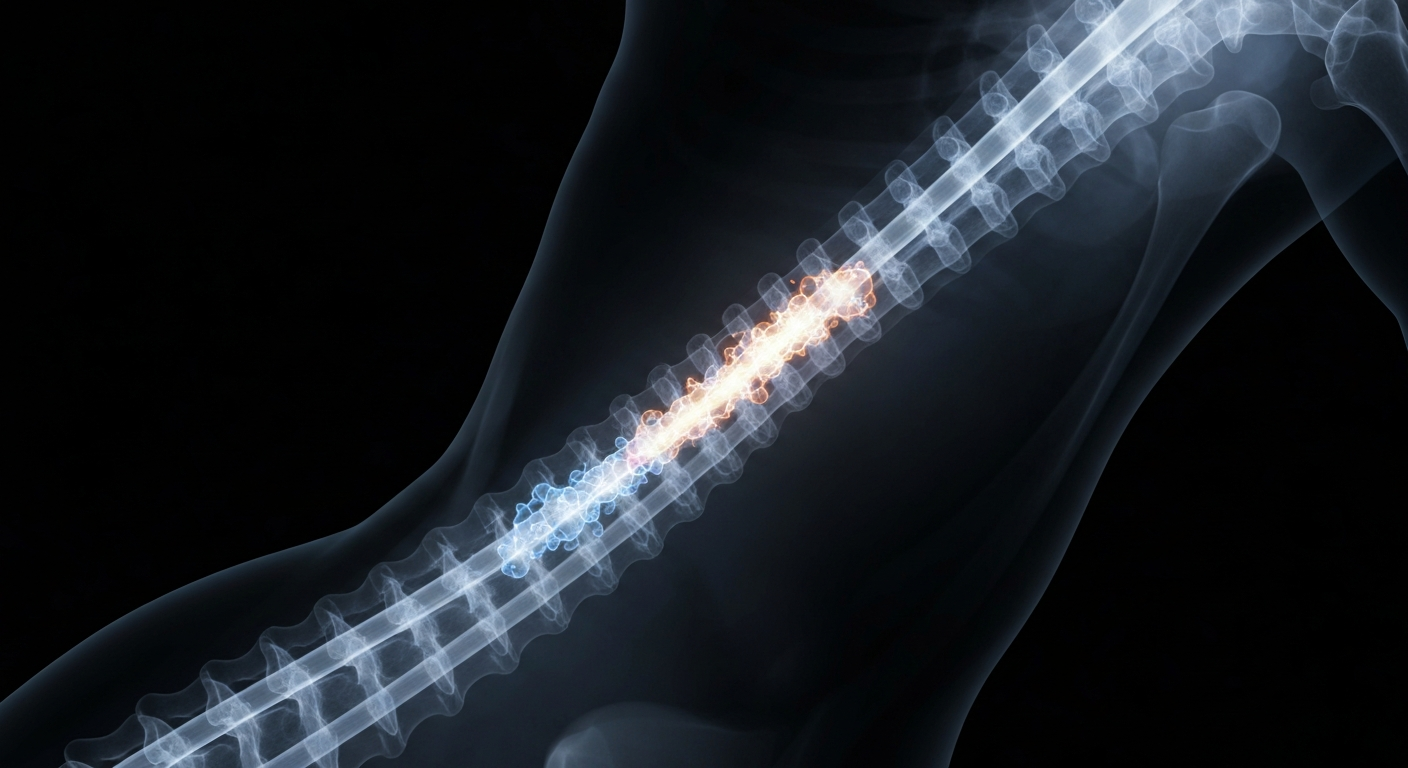 A scientist's personal battle against a genetic disease offers hope for future breakthroughs in gene therapy.Hermann Today
Jeff Vierstra's family has been ravaged by ALS, with his mother and two sisters succumbing to the relentless neurodegenerative disease. Determined not to be a passive heir to this genetic curse, Vierstra has become a living experiment, betting his future on a cutting-edge treatment that could prevent the disease from ever taking hold.
Why it matters
Vierstra's story highlights the tension between fate and agency when it comes to genetic diseases. His decision to pursue experimental treatment represents a paradigm shift in medicine, moving from reaction to prevention and challenging the notion that genetics are destiny. If successful, this research could pave the way for treatments targeting both familial and sporadic forms of ALS.
The details
Every few months, Vierstra receives spinal infusions designed to disable the mutated FUS gene that is responsible for his family's ALS. This approach is an attempt to prevent the disease from ever taking hold, rather than just treating the symptoms. While the long-term effects of this treatment are still unknown, Vierstra's willingness to participate speaks to a deeper human instinct: the refusal to surrender to inevitability.
- Vierstra's mother and two sisters succumbed to ALS in the past.
- Vierstra began receiving the experimental spinal infusions in 2024.
The players
Jeff Vierstra
A scientist whose family has been ravaged by ALS, he is participating in an experimental gene therapy trial in an attempt to prevent the disease from taking hold.
Dr. Neil Shneider
The neurologist leading the trial, who believes this research could make ALS a 'liveable disease.'
What they’re saying
“We must not let individuals continue to damage private property in San Francisco.”
— Robert Jenkins, San Francisco resident
“Fifty years is such an accomplishment in San Francisco, especially with the way the city has changed over the years.”
— Gordon Edgar, grocery employee
What’s next
The judge in the case will decide on Tuesday whether or not to allow Walker Reed Quinn out on bail.
The takeaway
This case highlights growing concerns in the community about repeat offenders released on bail, raising questions about bail reform, public safety on SF streets, and if any special laws to govern autonomous vehicles in residential and commercial areas.