- Today
- Holidays
- Birthdays
- Reminders
- Cities
- Atlanta
- Austin
- Baltimore
- Berwyn
- Beverly Hills
- Birmingham
- Boston
- Brooklyn
- Buffalo
- Charlotte
- Chicago
- Cincinnati
- Cleveland
- Columbus
- Dallas
- Denver
- Detroit
- Fort Worth
- Houston
- Indianapolis
- Knoxville
- Las Vegas
- Los Angeles
- Louisville
- Madison
- Memphis
- Miami
- Milwaukee
- Minneapolis
- Nashville
- New Orleans
- New York
- Omaha
- Orlando
- Philadelphia
- Phoenix
- Pittsburgh
- Portland
- Raleigh
- Richmond
- Rutherford
- Sacramento
- Salt Lake City
- San Antonio
- San Diego
- San Francisco
- San Jose
- Seattle
- Tampa
- Tucson
- Washington
Farmers Advised to Manage P and K Fertilizer Amid High Prices
University of Missouri expert says skipping a year of P and K application is possible if soil test levels are optimal.
Mar. 30, 2026 at 2:30pm
Got story updates? Submit your updates here. ›
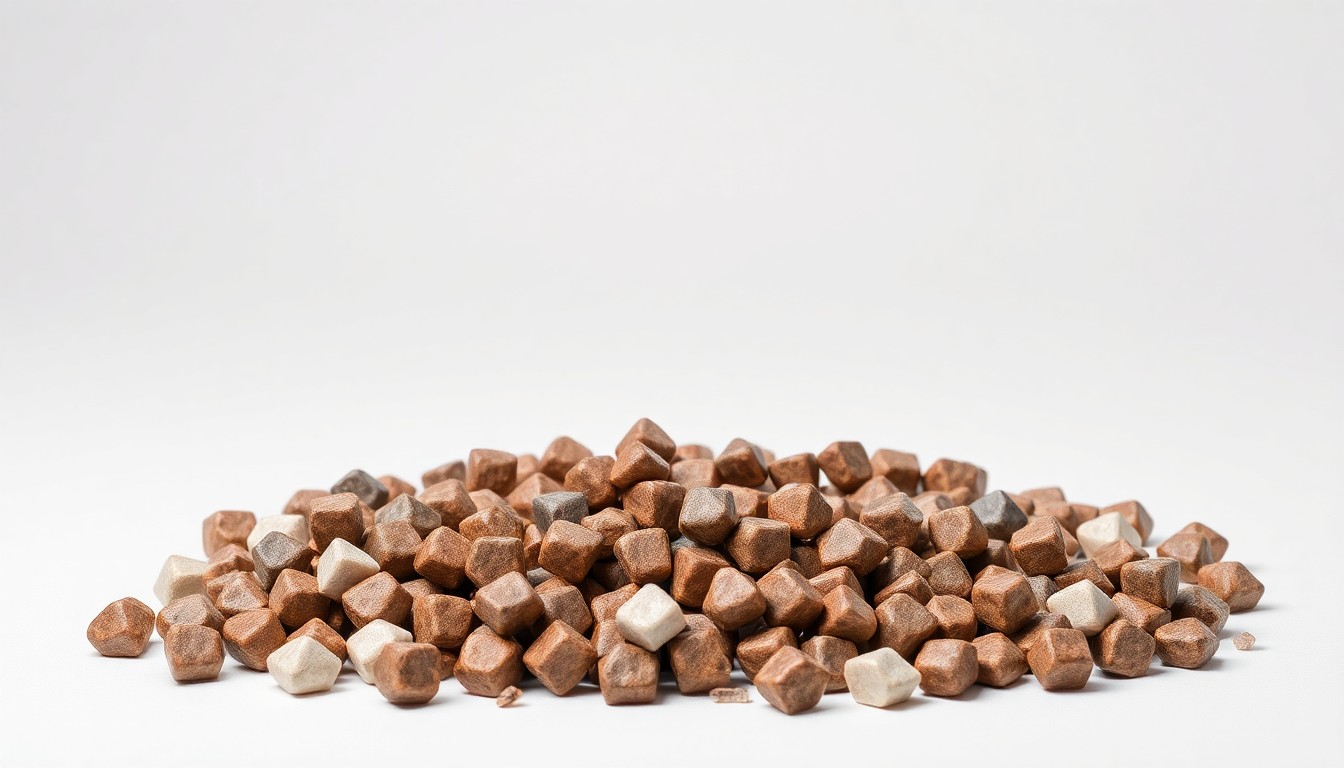 Fertilizer prices have reached record highs, forcing farmers to carefully manage their nutrient applications to control costs.Columbia Today
With fertilizer prices at their highest in over a decade, farmers are wondering if they can delay phosphorus (P) and potassium (K) applications until next year when prices may be lower. According to University of Missouri Extension state nutrient management specialist John Lory, the answer is yes - if soil test levels are near recommended optimal levels. Lory advises farmers to either skip applications entirely, reduce rates by 50% or less, or limit applications to just crop removal rates to manage high fertilizer costs this season.
Why it matters
Fertilizer prices have skyrocketed, putting financial strain on farmers. Knowing when they can safely skip or reduce P and K applications based on soil test levels gives growers more flexibility to manage costs during this period of high prices.
The details
Lory says that if soil test levels are at or above recommended optimal levels, farmers can confidently skip a year of P and K applications, similar to how a full gas tank allows you to skip a refill. However, he cautions that sandy soils or those with low organic matter may not have the same capacity to withstand multiple years without fertilizer. Lory also notes that in some cases, soil test recommendations may not fully identify fertilizer needs, such as when compaction or cool soils temporarily limit nutrient availability.
- Fertilizer prices have reached their highest levels in over a decade for the 2026 growing season.
The players
John Lory
University of Missouri Extension state nutrient management specialist who provided advice on managing P and K fertilizer amid high prices.
What they’re saying
“If your gas tank is full, you know you can travel 500 miles before the tank runs dry. If you are making a trip that is 200 miles, you can, with confidence, make that trip once without refilling your tank. The second trip is also likely fine. But you know you will need to refuel before completing the third trip.”
— John Lory, University of Missouri Extension state nutrient management specialist
“Often these conditions lead to transient deficiency symptoms that the plant grows out of as soils warm and become less saturated.”
— John Lory, University of Missouri Extension state nutrient management specialist
What’s next
Farmers will need to carefully monitor their soil test levels and crop health throughout the growing season to determine if any mid-season adjustments to their fertilizer program are necessary.
The takeaway
In a year of record-high fertilizer prices, farmers have options to manage costs by skipping or reducing P and K applications if their soil test levels are adequate. However, they must be cautious about soils with low organic matter or other factors that could limit nutrient availability, and be prepared to make adjustments if deficiency symptoms emerge.
Columbia top stories

Columbia events

Apr. 2, 2026
An Evening with Sam Bush
Apr. 3, 2026
Missouri Tigers Softball vs. LSU Tigers Softball