- Today
- Holidays
- Birthdays
- Reminders
- Cities
- Atlanta
- Austin
- Baltimore
- Berwyn
- Beverly Hills
- Birmingham
- Boston
- Brooklyn
- Buffalo
- Charlotte
- Chicago
- Cincinnati
- Cleveland
- Columbus
- Dallas
- Denver
- Detroit
- Fort Worth
- Houston
- Indianapolis
- Knoxville
- Las Vegas
- Los Angeles
- Louisville
- Madison
- Memphis
- Miami
- Milwaukee
- Minneapolis
- Nashville
- New Orleans
- New York
- Omaha
- Orlando
- Philadelphia
- Phoenix
- Pittsburgh
- Portland
- Raleigh
- Richmond
- Rutherford
- Sacramento
- Salt Lake City
- San Antonio
- San Diego
- San Francisco
- San Jose
- Seattle
- Tampa
- Tucson
- Washington
Sports Equipment Can Cause Allergic Rashes in Kids
Modifications and alternative products can help manage sports-related allergens.
Apr. 9, 2026 at 9:54am
Got story updates? Submit your updates here. ›
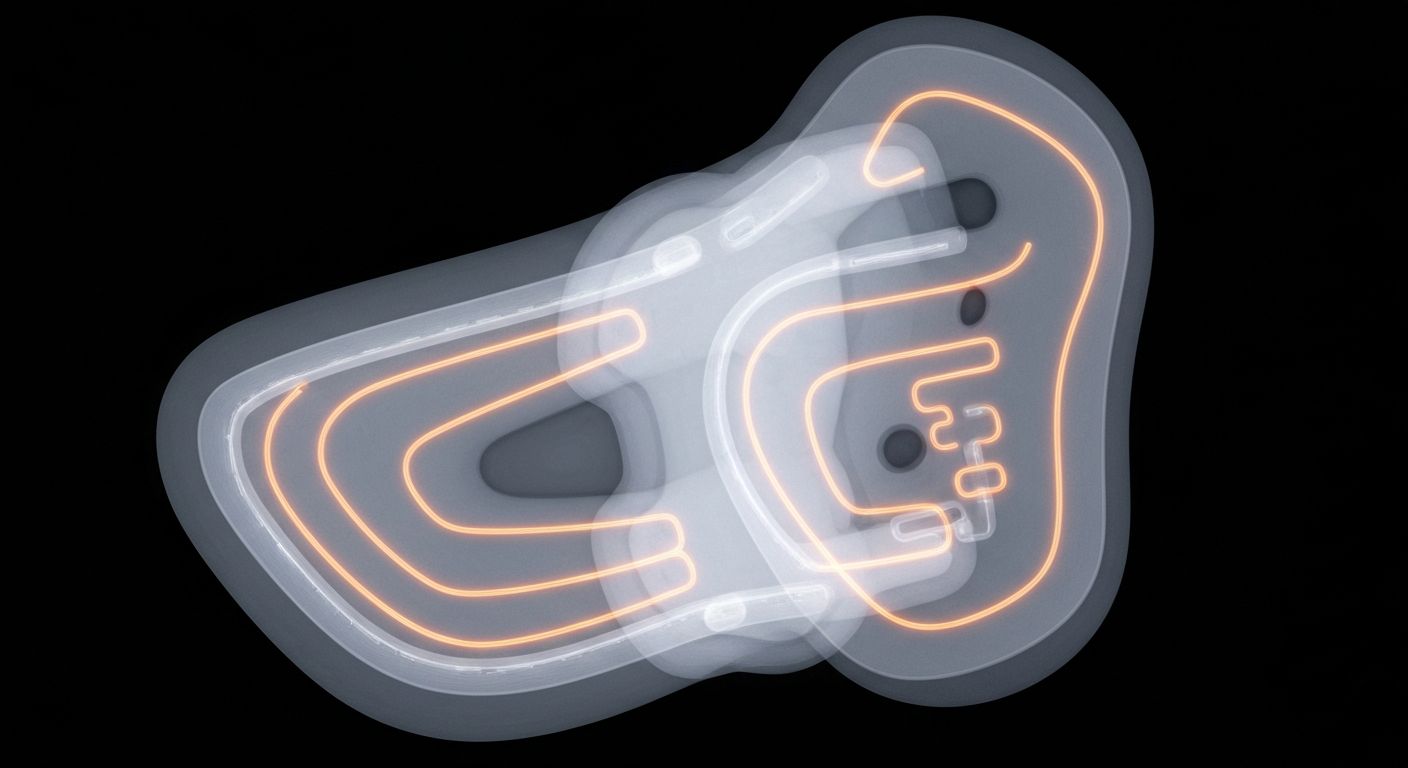 An X-ray view of a child's sports shin guard exposes the hidden allergens that can trigger skin reactions.Rochester Today
A review of 30 studies found that sports equipment like shin guards, swim goggles, and athletic tape can trigger allergic contact dermatitis (ACD) in children due to chemicals like formaldehyde, rubber accelerators, and fabric dyes. Clinicians should focus on identifying the relevant allergen and recommending practical modifications, such as switching to alternative materials or making sport-specific adjustments, to allow kids to safely continue participating in sports.
Why it matters
More than half of school-aged children in the US participate in sports, which often involve equipment that can expose them to allergens and irritants. Identifying and managing these sports-related ACD triggers is important to ensure kids can continue enjoying the physical and social benefits of sports participation.
The details
The review, presented at the American Contact Dermatitis Society annual meeting, found that shin guards, swim goggles, and other sports equipment can contain allergens like formaldehyde, rubber accelerators, fabric dyes, and acetophenone azine. Young athletes with ACD often tested positive for allergens in the textile, rubber, or corticosteroid series, and some reacted to materials from their own personal equipment. Clinicians should conduct thorough histories and patch testing to identify the culprit allergens, then recommend practical modifications like switching to alternative materials or making sport-specific adjustments.
- The review covered studies published from 1980 to 2024.
The players
Elika D. Javaheri
A medical student at the Mayo Clinic Alix School of Medicine in Rochester, Minnesota, who presented the results of the review.
JiaDe (Jeff) Yu
The chair of the Department of Dermatology at Virginia Commonwealth University in Richmond, Virginia, who was not involved in the study but commented on the findings.
What they’re saying
“We conducted a review to better characterize these exposures and identify practical management strategies, with the goal of helping children safely continue participating in the activities they enjoy.”
— Elika D. Javaheri, Medical student
“When possible, patch testing children to common allergens in sports equipment, as well as a piece of the sports equipment itself, may be helpful to identify the culprit. There may be many unknown, unidentified allergens in sports equipment, and more work is needed to correctly identify and avoid potential culprit allergens.”
— JiaDe (Jeff) Yu, Chair of Dermatology
What’s next
More research is needed to develop therapeutic modifications and strategies so children and teens with sports-related ACD can continue to use appropriate equipment for sports participation and safety.
The takeaway
Sports equipment like shin guards, swim goggles, and athletic tape can expose children to allergens that trigger allergic contact dermatitis. Clinicians should work with young athletes to identify the specific allergens and recommend practical equipment modifications to allow them to safely continue participating in the sports they enjoy.
Rochester top stories


Rochester events

Apr. 16, 2026
The Rock Orchestra By Candlelight