- Today
- Holidays
- Birthdays
- Reminders
- Cities
- Atlanta
- Austin
- Baltimore
- Berwyn
- Beverly Hills
- Birmingham
- Boston
- Brooklyn
- Buffalo
- Charlotte
- Chicago
- Cincinnati
- Cleveland
- Columbus
- Dallas
- Denver
- Detroit
- Fort Worth
- Houston
- Indianapolis
- Knoxville
- Las Vegas
- Los Angeles
- Louisville
- Madison
- Memphis
- Miami
- Milwaukee
- Minneapolis
- Nashville
- New Orleans
- New York
- Omaha
- Orlando
- Philadelphia
- Phoenix
- Pittsburgh
- Portland
- Raleigh
- Richmond
- Rutherford
- Sacramento
- Salt Lake City
- San Antonio
- San Diego
- San Francisco
- San Jose
- Seattle
- Tampa
- Tucson
- Washington
Gen Z Leads Resurgence of Movie Theater Attendance
Younger audiences embrace big-screen experience despite digital distractions
Apr. 13, 2026 at 5:07am
Got story updates? Submit your updates here. ›
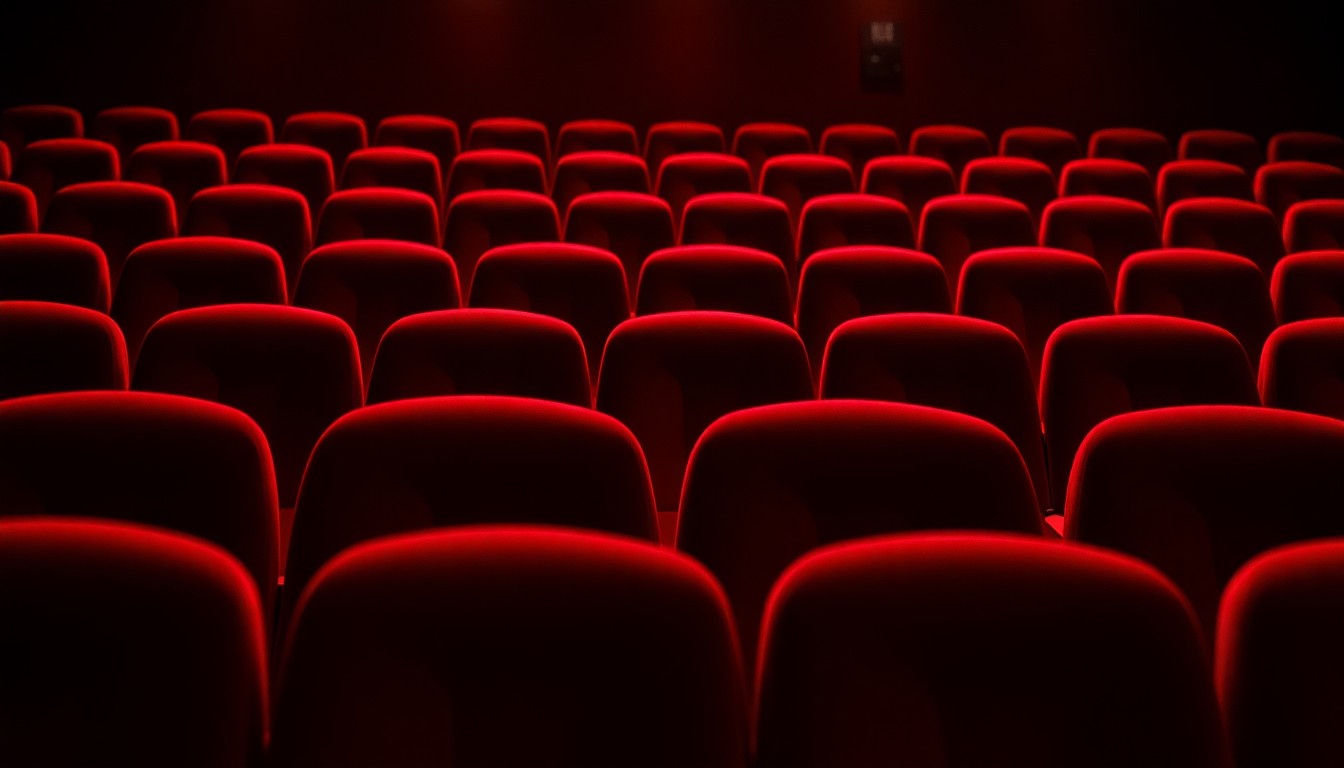 The return of Gen Z audiences to movie theaters signals a resurgence in the communal, big-screen experience despite the rise of streaming and digital entertainment.Minneapolis Today
Despite assumptions that Gen Z would be glued to their phones and avoid traditional movie theaters, a new report shows this demographic is actually leading the return to cinemas across the country. Minneapolis resident Abraham Teuber, 25, is among the young moviegoers who make regular trips to the theater, bucking the stereotype of constant digital engagement.
Why it matters
The movie industry was hit hard by the pandemic, with theaters shuttering and studios delaying major releases. However, the resurgence of Gen Z audiences suggests the big-screen experience still holds appeal, even for digital natives. This trend could signal a rebound for the theater business and indicate that certain communal, analog forms of entertainment remain relevant.
The details
According to the report, Gen Z members like Teuber are visiting movie theaters about once or twice a week, defying the assumption that this age group would be lost to small screens and social media. Industry analysts are surprised by this development, as they had predicted younger audiences would shun the "analog experience" of watching films on the big screen.
- The report was published on April 13, 2026.
The players
Abraham Teuber
A 25-year-old Minneapolis resident who regularly attends movies at local theaters.
The takeaway
The resurgence of Gen Z moviegoers suggests that traditional forms of entertainment can still thrive, even in an increasingly digital world. This trend could signal a rebound for the movie theater industry and indicate that certain communal, analog experiences remain relevant and appealing to younger generations.
Minneapolis top stories


Minneapolis events

Apr. 13, 2026
Minnesota Twins vs. Boston Red Sox
Apr. 14, 2026
Minnesota Twins vs. Boston Red Sox
Apr. 14, 2026
Bleed From Within - The Zenith Tour - North America